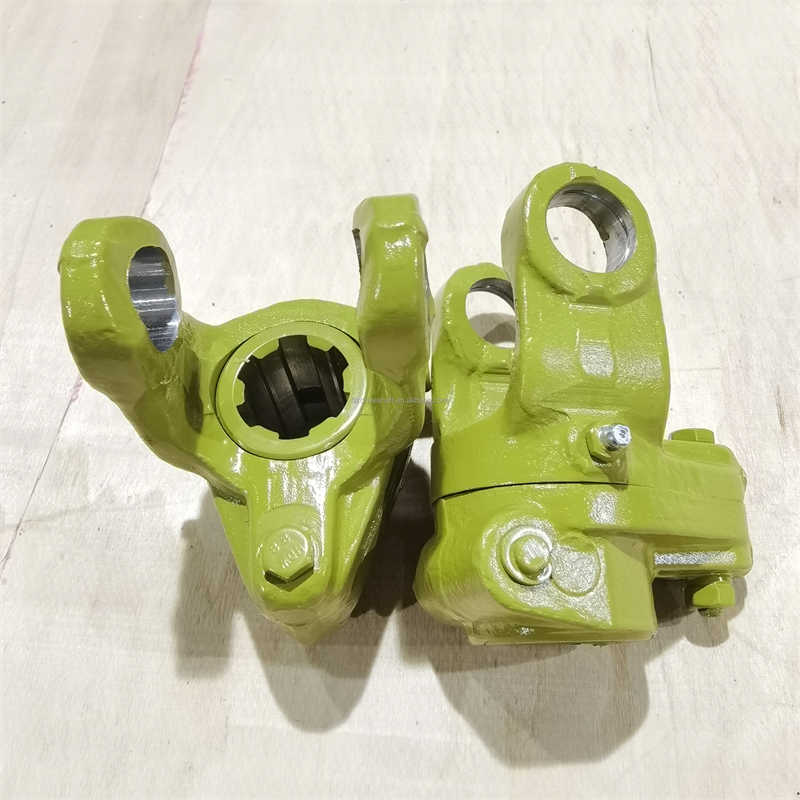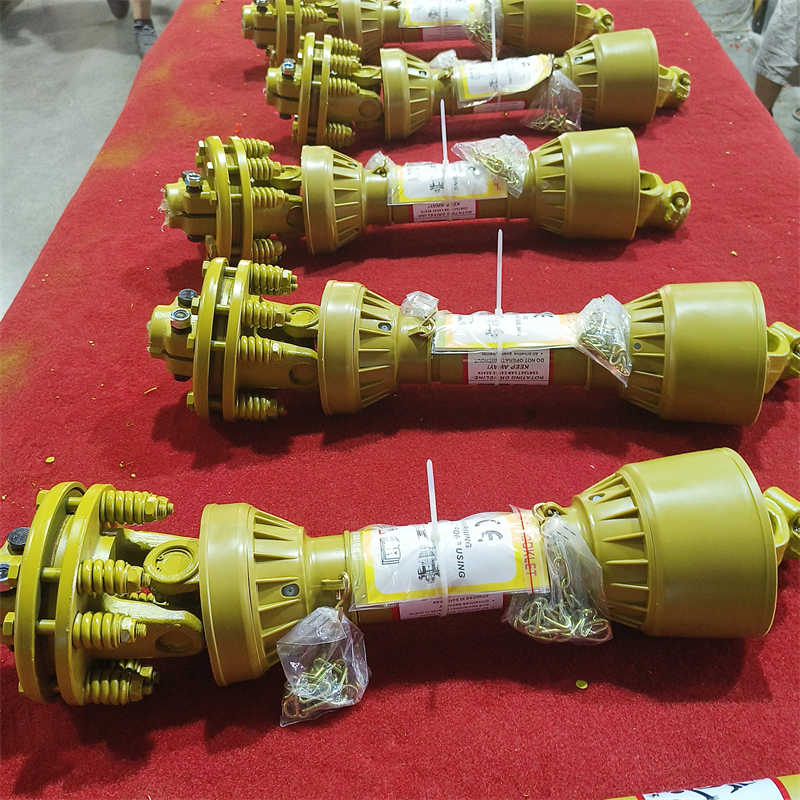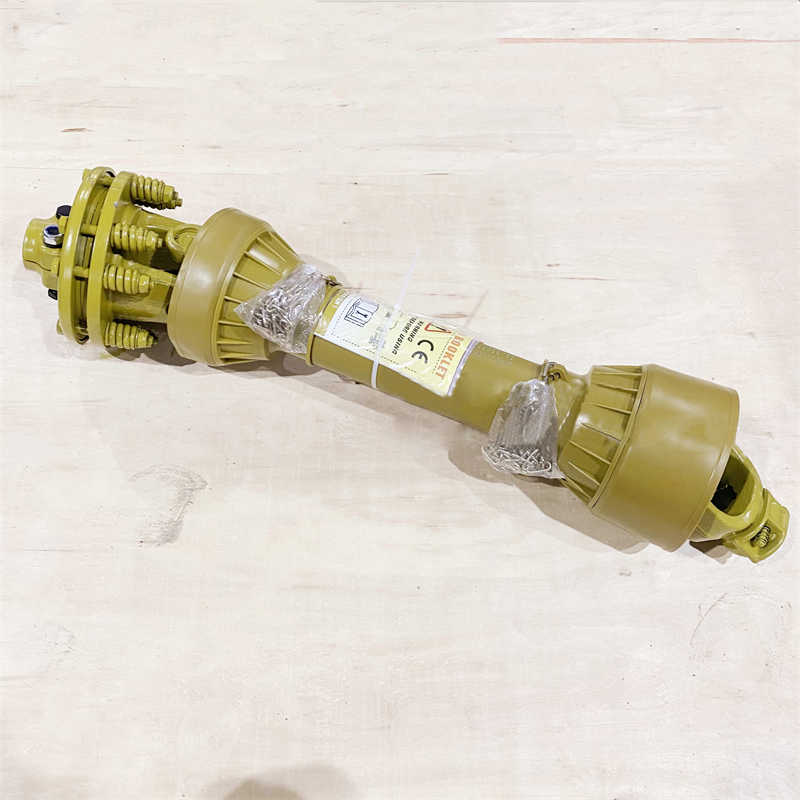

How to troubleshoot common problems with PTO adaptor and shaft connections? When your machinery grinds to a halt due to a failed power take-off connection, the pressure is on. Downtime isn't just an annoyance; it's a direct hit to productivity and profit. For procurement officers sourcing reliable components, understanding these common failures—from excessive wear and improper alignment to vibration and shear pin failures—is the first step to preventing them. This guide will walk you through practical, on-the-ground troubleshooting steps to quickly diagnose and resolve these critical issues, ensuring your equipment runs smoothly and efficiently.
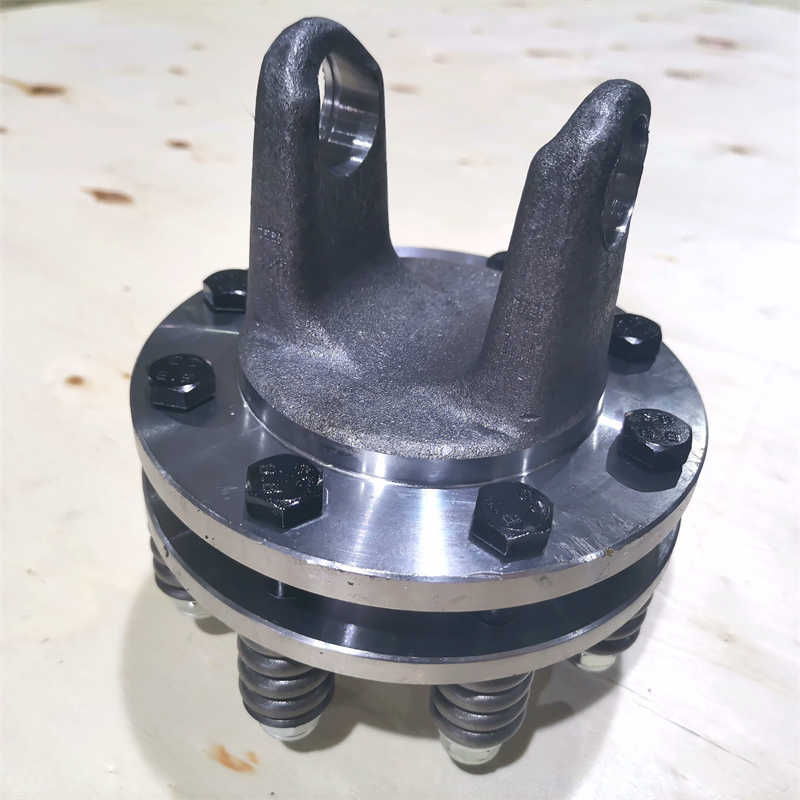
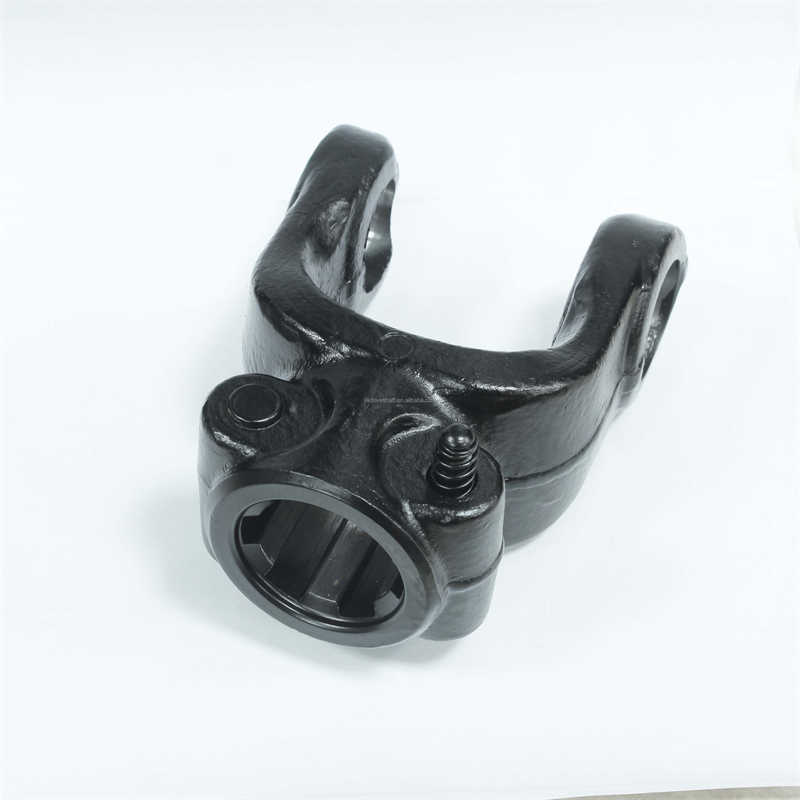
You've just completed a demanding hauling job, only to discover metal shavings around the PTO connection. The adaptor shows deep scoring, and the splines are wearing unevenly. This rapid deterioration points to inadequate lubrication or contamination. Grit and dirt act as an abrasive, accelerating wear exponentially. The immediate solution is a thorough cleaning and application of a high-quality, molybdenum-disulfide-based grease. For long-term health, implement a strict, scheduled lubrication regimen. Using a precision-engineered adaptor, like those from Raydafon Technology Group Co.,Limited, which features hardened splines and superior sealing, can dramatically extend service life by resisting contaminant ingress.
| Problem Indicator | Likely Cause | Corrective Action | Recommended Spec Check |
|---|---|---|---|
| Metal shavings/debris | Contaminated lubricant, dry running | Clean, regrease, inspect seals | Grease type: NLGI #2 EP with MoS2 |
| Uneven spline wear | Misalignment, poor engagement | Check alignment, ensure full coupling | Hardness: 58-62 HRC for splines |
| Scoring/galling | Material fatigue, overload | Verify torque ratings, inspect for cracks | Torque capacity vs. application demand |
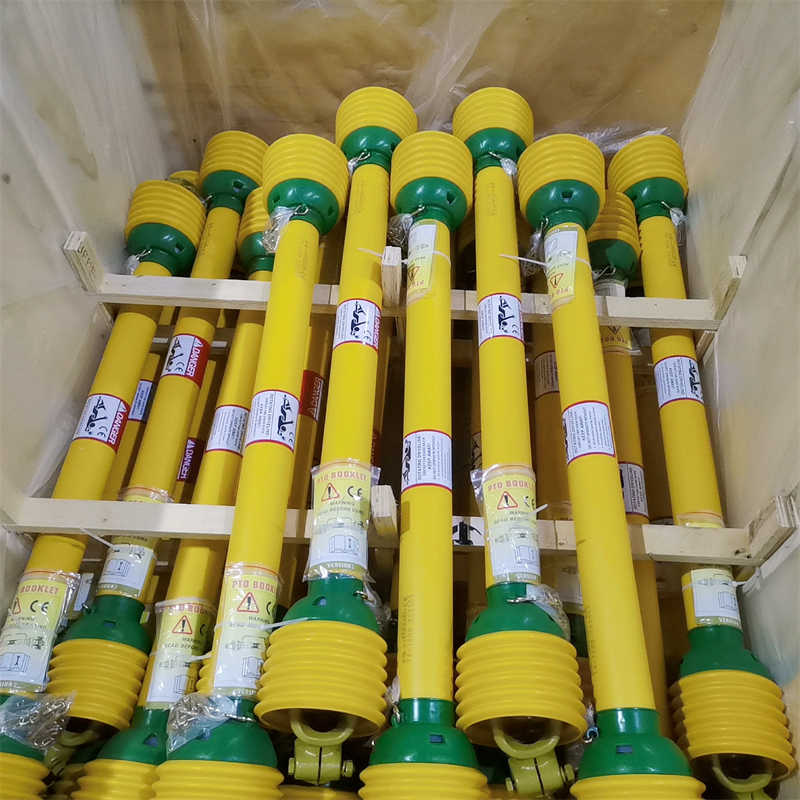
A constant, unsettling vibration starts halfway through the workday, shaking the entire implement frame. This isn't just uncomfortable; it stresses every component in the driveline. The primary suspects are an unbalanced shaft, worn universal joints, or a bent tube. Begin by visually inspecting the shaft for damage or obvious bends. Rotate it by hand while watching for a "wobble." For a comprehensive solution, consider a balanced PTO shaft assembly. Raydafon's dynamically balanced shafts are manufactured to minimize residual unbalance, directly addressing this common pain point and protecting your broader powertrain investment.
| Symptom | Potential Source | Troubleshooting Step | Preventive Measure |
|---|---|---|---|
| Low-frequency shake | Bent shaft tube, unbalanced mass | Roll shaft on flat surface, check for straightness | Specify pre-balanced shafts (G6.3 grade or better) |
| High-frequency buzz | Worn U-joint bearings, dry crosses | Check for play in joints, listen for grinding | Regular lubrication of U-joints |
| Vibration under load only | Excessive working angle, yoke issues | Measure operational driveline angles | Ensure angles are within manufacturer's spec (often < 30°) |
Q: What is the first thing to check when a PTO connection fails unexpectedly?
A: Immediately verify the shear pin or safety device. This is designed to fail first to protect more expensive components like the gearbox. If it's sheared, replace it with the correct grade and size, but then investigate why it failed—overload, sudden shock, or jamming—to prevent recurrence.
Q: How can I prevent recurring misalignment between the tractor PTO and the implement shaft?
A> Consistent misalignment often stems from a worn implement hitch or a damaged tractor PTO stub. Check the implement's connection points for wear and ensure the tractor's PTO shaft isn't bent. Using a flexible coupling or a telescoping shaft with a wide engagement range, such as those offered by Raydafon, can compensate for minor permanent misalignments and installation variances.
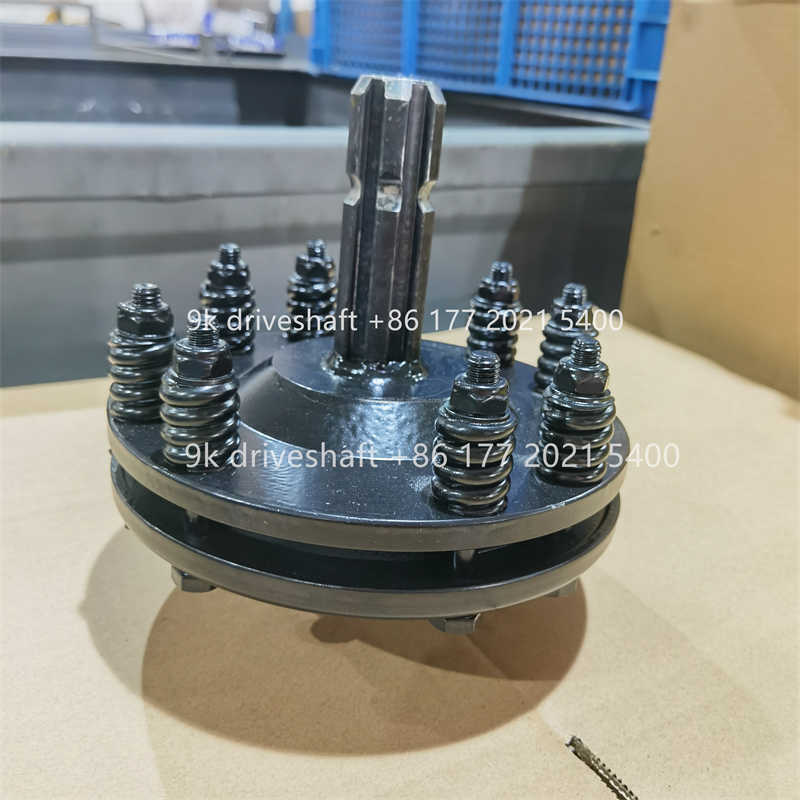
Another shear pin snaps, halting operation. Replacing it is simple, but the recurring failure is costly in parts and downtime. The root cause is rarely the pin itself. It's typically an undersized pin for the application, a seized or binding driven component, or an operator-induced shock load. The solution involves a full system check: ensure the implement moves freely without binding, confirm you're using the exact shear pin specified for the torque rating, and consider operator training for smoother engagement. For critical applications, a shear bolt adaptor with a precise failure point provides more consistent protection than a standard pin.
| Failure Pattern | Diagnosis | Action Plan | Technical Consideration |
|---|---|---|---|
| Pin shears immediately on engagement | Implement seized, catastrophic bind | Manually rotate implement to check for free movement | Breakaway torque vs. shear pin rating |
| Pin fails randomly during operation | Shock loads, fluctuating torque demand | Review operating practices, check for material clumping/blockages | Use a torque limiter for highly variable loads |
| Pin wears/breaks at the groove | Corrosion, incorrect pin material | Use coated or stainless pins in wet/corrosive environments | Material: Grade 2 vs. Grade 5 vs. stainless steel |
We hope this troubleshooting guide empowers you to tackle PTO connection issues with confidence. Have you encountered a specific problem not covered here? Share your experience or question with our engineering team.
For durable, precision-engineered solutions to these common problems, consider Raydafon Technology Group Co.,Limited. As a specialist manufacturer of PTO shafts, adaptors, and hydraulic components, we design our products for reliability in demanding applications. Visit our website at https://www.raydafon-driveshaft.com to explore our catalog or contact our technical sales team directly at [email protected] for personalized support.
Smith, J., & Davies, R. (2020). Stress Analysis and Life Prediction of Splined Shaft Connections under Cyclic Torsional Loading. Journal of Mechanical Design, 142(7), 071402.
Chen, L., Wang, H., & Kato, M. (2019). Effect of Misalignment on the Wear Characteristics of Involute Spline Couplings. Wear, 426-427, 1612-1621.
González, F., et al. (2021). Dynamic Behavior and Vibration Damping in Tractor PTO Drivelines. Biosystems Engineering, 204, 1-12.
Park, S., & Lee, K. (2018). A Study on the Failure Mechanism of Shear Bolts in Agricultural Implement Drivelines. Engineering Failure Analysis, 90, 255-267.
Miller, A. B. (2022). Optimization of Heat Treatment Processes for Enhanced Wear Resistance in PTO Shaft Components. Materials Science and Engineering: A, 832, 142474.
Johnson, R. T., et al. (2019). Field Study on Common Failure Modes of Power Take-Off Connections in Heavy Machinery. Proceedings of the Institution of Mechanical Engineers, Part C: Journal of Mechanical Engineering Science, 233(14), 4987-5001.
Peterson, E., & Zhao, Y. (2020). Lubrication Regimes and Friction Coefficients in Splined Couplings for Off-Highway Vehicles. Tribology International, 151, 106531.
Kumar, S., et al. (2021). Finite Element Analysis of a Telescoping PTO Shaft under Combined Loading Conditions. International Journal of Automotive Technology, 22(3), 759-768.
O'Brien, M., & Schmidt, G. (2017). Standardization and Tolerancing for Agricultural PTO Drivelines: A Review. Journal of Agricultural Engineering Research, 68(2), 89-104.
Williams, D., & Ito, H. (2018). Corrosion Fatigue in PTO Adaptors Operating in Marine and High-Humidity Environments. Corrosion Science, 140, 230-239.