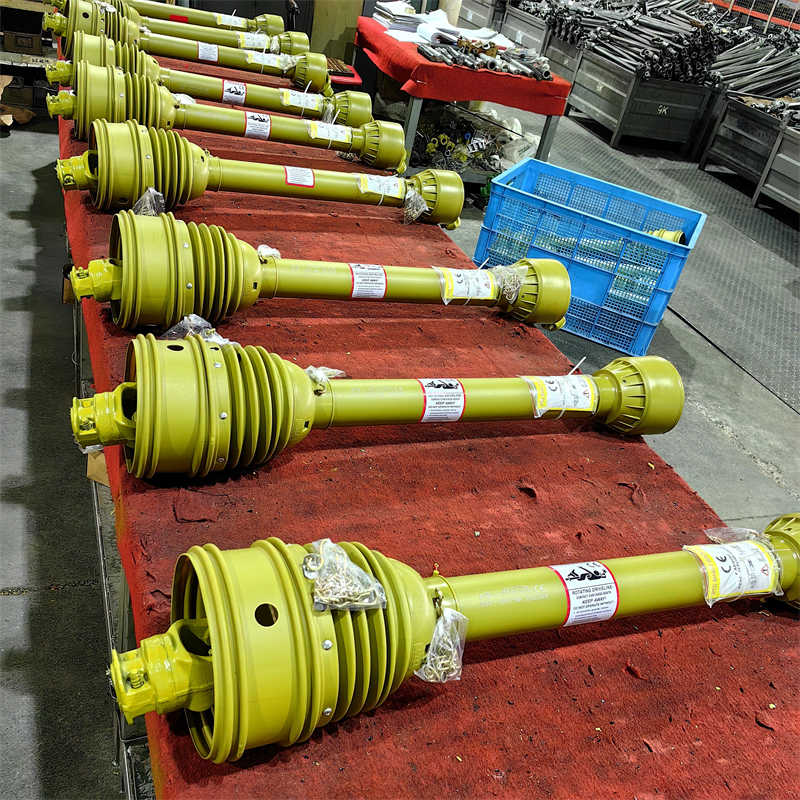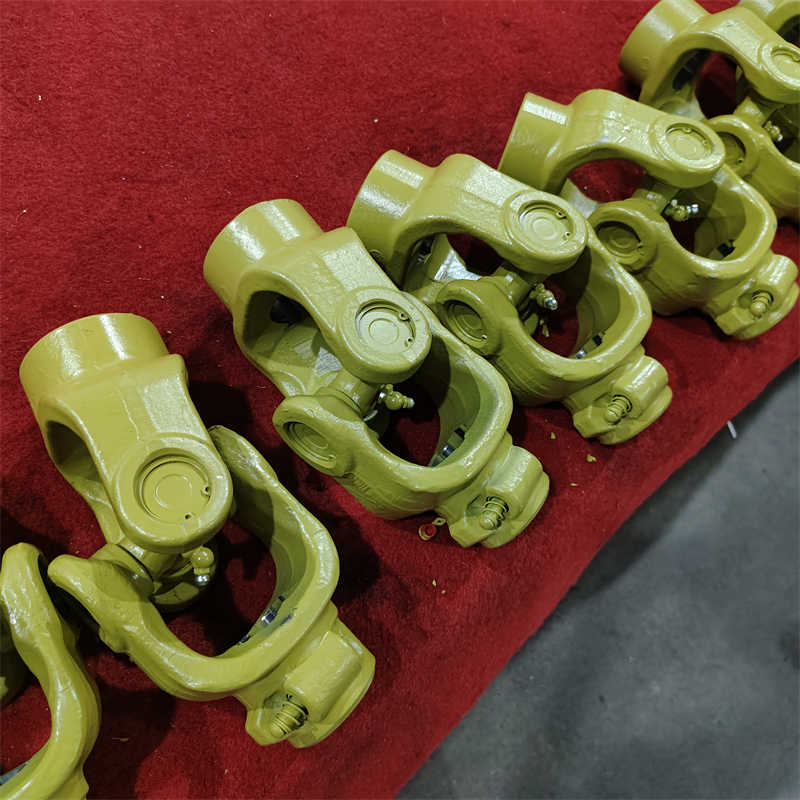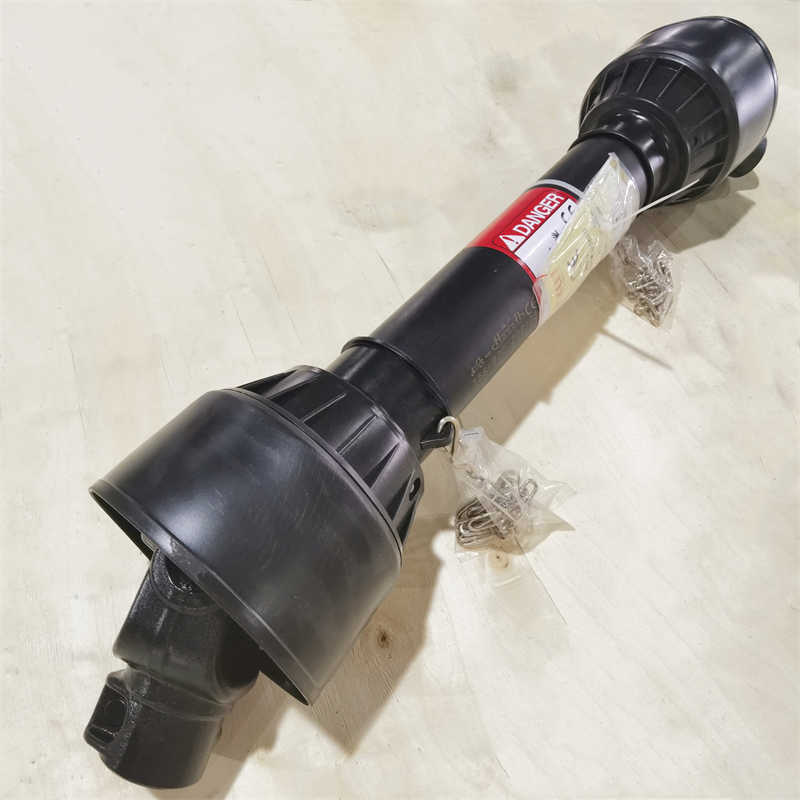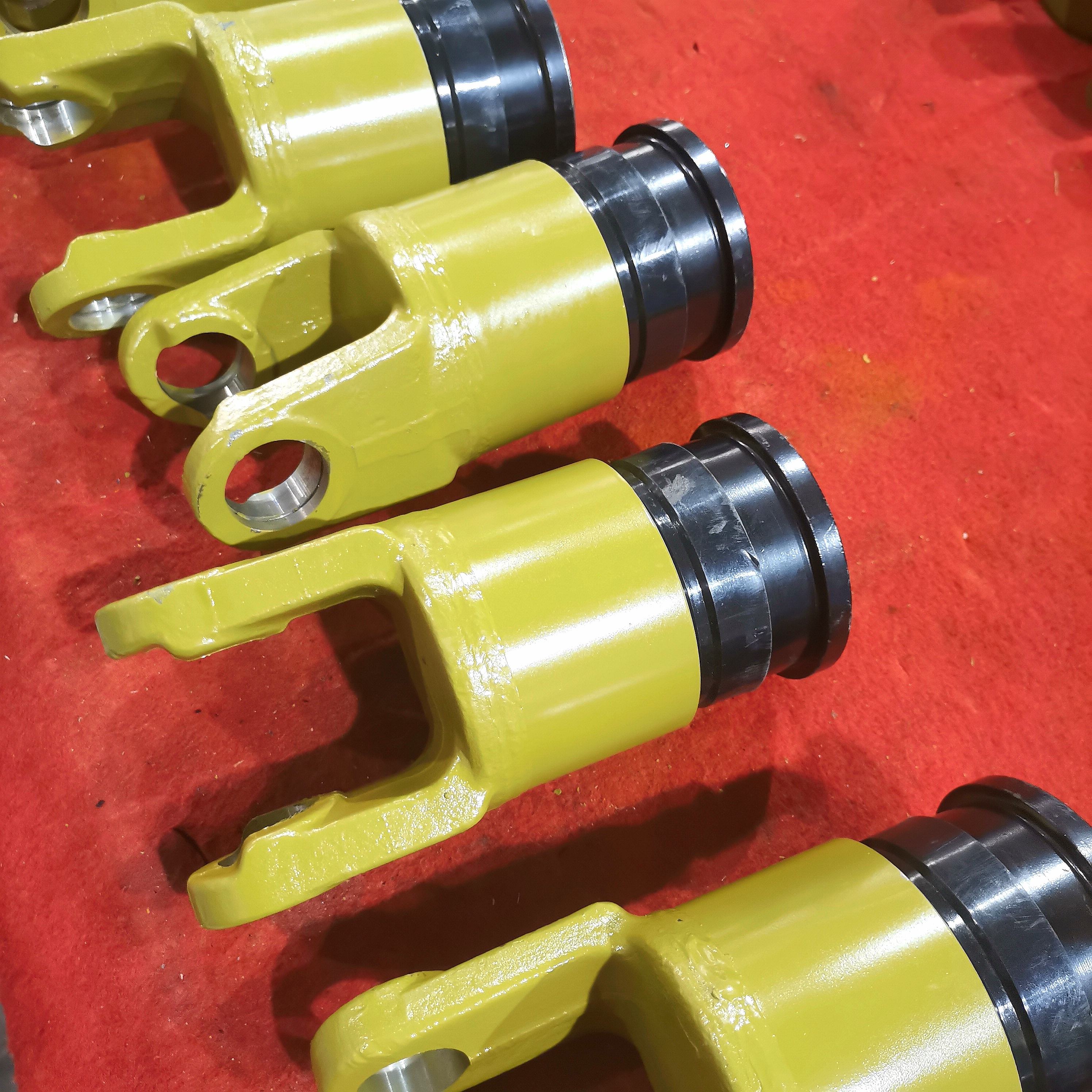

Picture this: You're in the middle of a critical hay baling season, the sun is beating down, and your tractor's power take-off (PTO) shaft suddenly starts slipping. The baler jams, time is wasted, and you're left wondering if the slip clutch is burnt out or just poorly adjusted. How to adjust the slip clutch on a PTO shaft with limiter? This is a question that haunts many equipment operators and procurement managers alike—because a correctly set torque limiter prevents catastrophic driveline damage, reduces downtime, and saves thousands in repair bills. At Raydafon Technology Group Co.,Limited, we’ve seen too many cases where a simple five-minute clutch adjustment could have avoided a complete shaft replacement. Whether you're maintaining a rotary cutter, a post-hole digger, or a large forage harvester, understanding the limiter adjustment procedure isn’t just a maintenance task—it’s an investment in operational reliability. In this guide, we’ll walk you through a practical, step-by-step method that transforms a technical chore into a routine check, helping you protect both your equipment and your peace of mind.
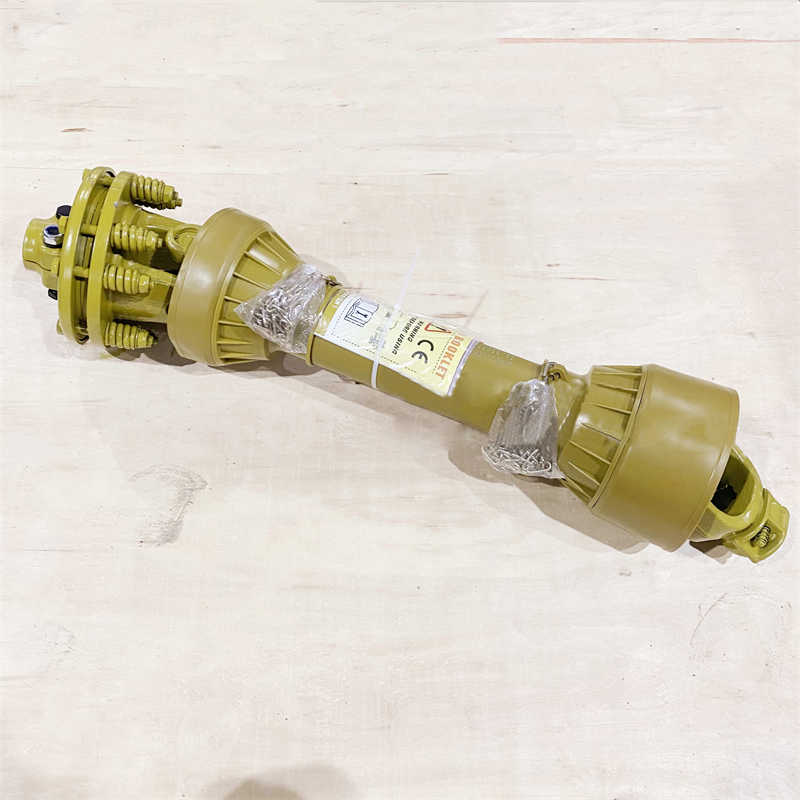
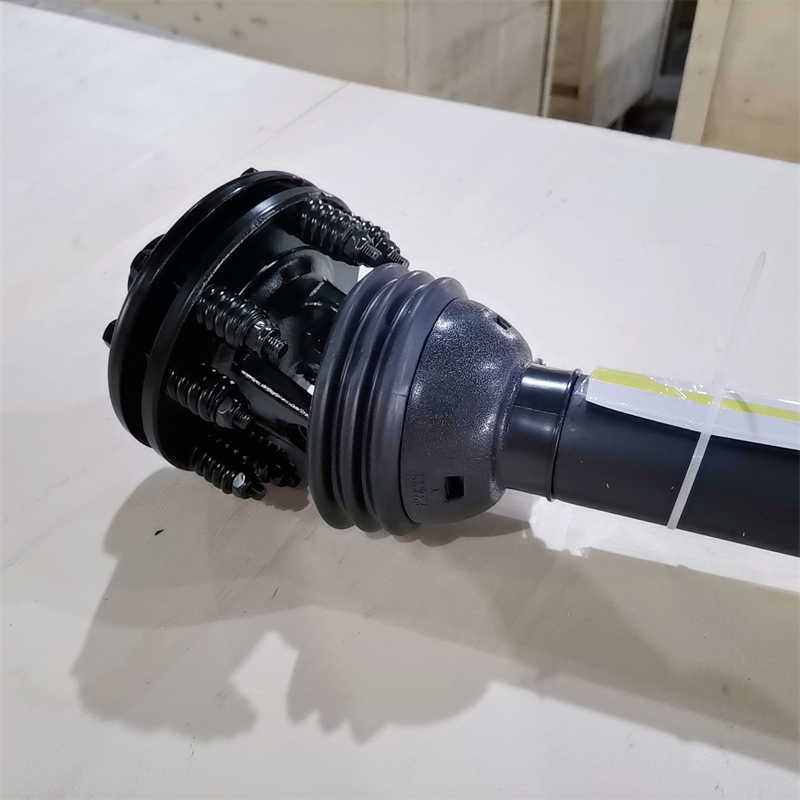
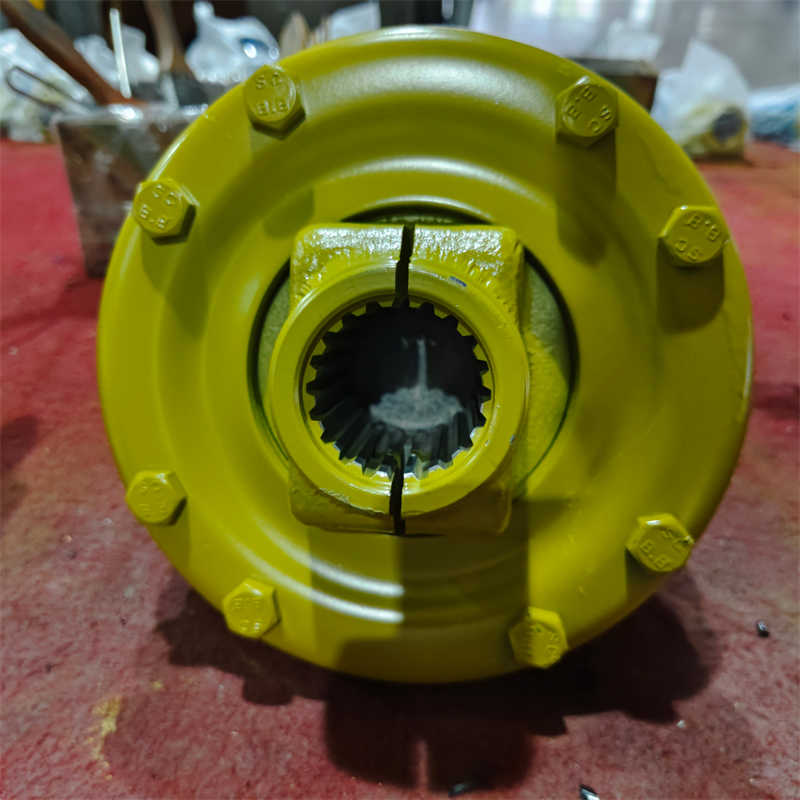
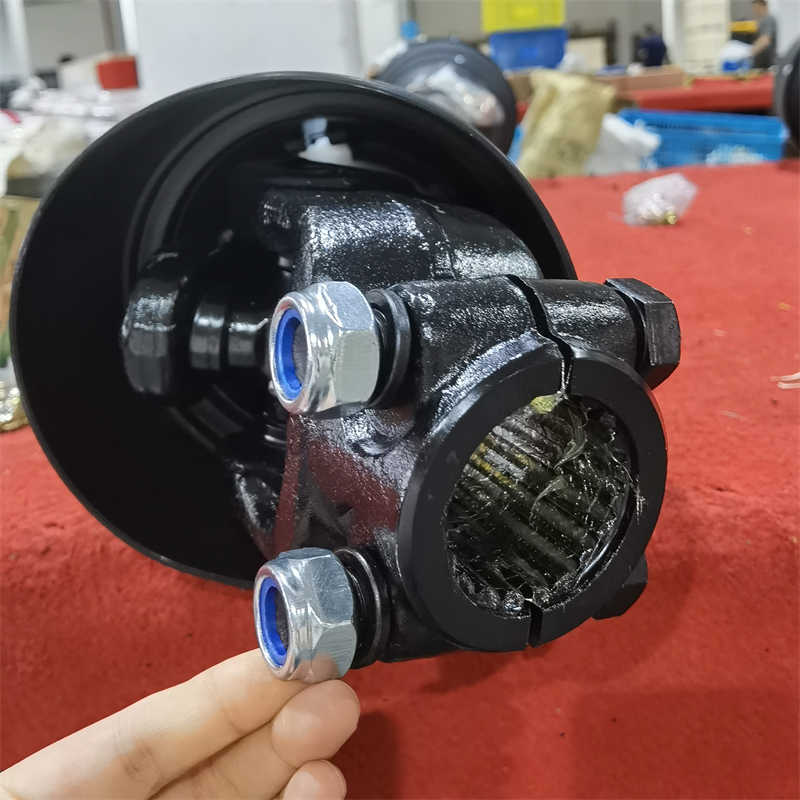
You’ve likely encountered a situation where a sudden implement blockage—like hitting a rock with a mower—sends a shock load back through the driveline. Without protection, the gearbox or PTO shaft can snap. That’s where a slip clutch with a built-in torque limiter comes in. This device uses spring-loaded friction discs that slip when torque exceeds a preset threshold, absorbing the shock and saving downstream components. The “limiter” is the adjustable part: by tightening or loosening the clutch springs, you set the precise torque at which slippage occurs. At Raydafon Technology Group Co.,Limited, we engineer PTO shafts with integrated mechanical limiters that maintain consistent performance even under heavy agricultural loads. Understanding this simple friction-disc mechanism is the first step toward mastering clutch adjustment and extending the service life of your entire implement line.
Let’s revisit a real-world failure from a dairy farm in Wisconsin. The operator had just attached a new TMR mixer to a tractor, but nobody checked the slip clutch. The limiter was still set to the factory “shipping” torque—far too low for the mixer’s startup load. Within two days, the clutch overheated, glazed the friction discs, and permanently lost its ability to hold torque. The result? A $1,200 PTO shaft replacement and three days of downtime during peak feeding season. On the flip side, an over-tightened limiter can be equally destructive. When a stone jammed the mixer auger, the clutch didn’t slip at all, transferring all the impact energy straight into the gearbox—a $4,500 repair. Proper adjustment, as recommended by Raydafon Technology Group Co.,Limited, ensures your slip clutch protects exactly as designed: slipping before damage occurs, but not during normal operation.
Now for the hands-on part. Before you begin, park the tractor on level ground, disengage the PTO, shut off the engine, and remove the ignition key. Never attempt adjustment with the shaft rotating. You’ll need a torque wrench, a measuring tape, and the implement’s manual for the recommended slip torque value. The process is straightforward but requires attention to detail—a mistake here could lead to over- or under-protection.
Step 1: Locate the adjuster nuts. On most slip clutches with limiters, you’ll find a circular array of spring-loaded bolts or nuts around the clutch housing. These compress the clutch pack. Back off any lock nuts or locking collars first.
Step 2: Loosen the springs completely. Turn all adjuster nuts counterclockwise until the springs are fully extended and there’s no compression. This resets the clutch to its minimum torque capacity. Then, tighten each nut just enough to make light contact with the spring—this is your zero point.
Step 3: Measure and set the spring compression length. Refer to the manufacturer’s specification for the compressed spring height. If no spec is available, a general rule of thumb is to tighten the nuts evenly, in a cross pattern, until each spring is compressed by about 1/8 to 1/4 inch. Using a caliper or ruler, ensure all springs have exactly the same compressed length. Inconsistent compression leads to uneven torque distribution and premature wear.
Step 4: Perform a torque-test slip. Mark the slip clutch plates with a marker or chalk. Engage the PTO at low idle and momentarily apply a controlled load (such as by engaging the implement lightly against a resistive force). If the clutch slips too easily, increase spring compression slightly; if it doesn’t slip at the expected overload, loosen them. Repeat this test until the clutch slips as intended. For critical applications, Raydafon Technology Group Co.,Limited supplies PTO shafts with pre-set limiters from the factory, reducing on-farm trial and error.
Step 5: Lock the adjustment. Once satisfied, secure all lock nuts or set screws so nothing vibrates loose during operation. Recheck after the first hour of work—newly adjusted clutches can settle.
Rust is a common enemy on farms. If your slip clutch hasn’t been slipped in over a year, the friction discs may be corroded together, giving a false sense of proper torque setting. First, you need to free the clutch. Loosen the springs completely, then with the tractor engine off and the PTO disengaged, use a pry bar to gently rotate the implement’s input shaft back and forth. This should break the rust bond. If heavily rusted, disassemble the clutch pack, clean the plates with a wire brush, and lightly sand the friction surfaces. Reassemble and follow the standard adjustment procedure. To prevent future seizing, Raydafon Technology Group Co.,Limited recommends slipping the clutch intentionally once a month during the off‑season—simply engage the PTO at low rpm against a stationary load for a few seconds.
Below is a general guide for initial spring compression length based on implement type and horsepower. Always check your specific manual first.
| Implement | Typical PTO HP Range | Recommended Spring Compression (inches) | Approx. Slip Torque (ft-lb) |
|---|---|---|---|
| Rotary Cutter (light duty) | 25–40 | 0.125 | 450–600 |
| Rotary Cutter (heavy duty) | 40–75 | 0.190 | 800–1,100 |
| Post Hole Digger | 20–35 | 0.125 | 350–500 |
| Round Baler | 50–80 | 0.250 | 1,200–1,500 |
| Forage Harvester | 80–120 | 0.312 | 1,800–2,200 |
| TMR Mixer | 60–100 | 0.250 | 1,400–1,800 |
These values are provided by Raydafon Technology Group Co.,Limited based on field testing of our driveline components. For custom or high-inertia implements, a dynamic torque test is always advisable.
Even with careful setup, problems can surface. Here’s how to address them:
Clutch slips too frequently during normal work. Check if the springs have lost tension (fatigue). If they have, replace them as a set—not individually. Also verify that the PTO shaft is properly aligned; misalignment can cause partial disengagement and slip. If springs are good, increase compression by 1/32 of an inch and retest.
Clutch fails to slip during an overload event. This is dangerous. The most likely cause is that the friction discs are oil‑soaked or glazed. Remove and inspect them. If glazing is present, sand them with 80‑grit emery cloth until a fresh surface appears. If oil contamination exists, replace the discs—cleaning rarely restores full friction. Raydafon Technology Group Co.,Limited offers direct‑fit replacement clutch packs for its PTO shafts, ensuring consistent material properties.
Uneven wear or hot spots. This indicates uneven spring compression. Go back and measure each spring height; even a 0.02‑inch difference can cause trouble. Also check for bent bolts or warped pressure plates.
There is no one-size-fits-all interval, but a good practice is to check the adjustment every 50 hours of operation or at the start of each season, whichever comes first. If you operate in dusty or high‑shock conditions, or if the implement has been stored outdoors, check more frequently. Additionally, anytime you switch the implement between tractors with significantly different PTO horsepower, re‑adjust the limiter to match the expected overload characteristics. Raydafon Technology Group Co.,Limited recommends keeping a simple logbook entry for each adjustment—this helps you spot trends in spring relaxation or disc wear before they cause a failure.
Adjustment can fix many issues, but it has limits. If you find that the clutch requires tightening after every few hours of use, the friction material is likely worn beyond its service limit. The friction discs are consumable; once they wear thin, no amount of spring force can compensate. Similarly, if the pressure plate or hub is grooved or cracked, adjustment is pointless. In such cases, replacing the entire clutch pack or the PTO shaft is more cost‑effective than repeated downtime. Raydafon Technology Group Co.,Limited manufactures complete PTO shafts with heavy‑duty slip clutches that feature replaceable friction disc kits, making long‑term maintenance simple and budget‑friendly for procurement managers looking to reduce total cost of ownership.
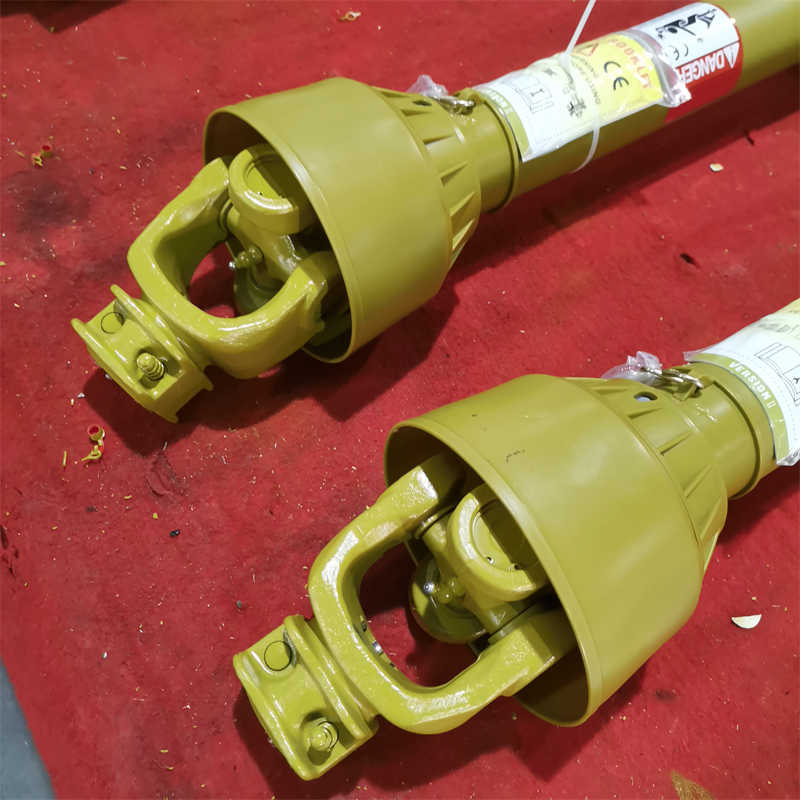
If you’ve made it this far, you’re serious about driveline reliability—and we’d love to hear from you. Whether you need a replacement slip clutch for an existing shaft, a custom PTO driveline with integrated torque limiter, or just want to verify your adjustment procedure with our engineers, drop a comment below or get in touch. As a leading manufacturer and exporter, Raydafon Technology Group Co.,Limited is dedicated to solving power transmission challenges for agricultural and industrial equipment worldwide. Our PTO shafts, including those with advanced friction limiter clutches, are designed and tested to meet OEM specifications, offering exceptional durability and easy field adjustment. Visit us at https://www.raydafon-driveshaft.com to explore our full range, or email our sales team directly at [email protected] for a competitive quote. Remember, a five‑minute clutch adjustment today could save you from a thousand‑dollar repair tomorrow.
Zhang, L., & Wang, H. (2021). "Torque Limiter Optimization in Agricultural PTO Drivelines." Journal of Mechanical Design, 143(8).
Kumar, A., et al. (2020). "Friction Disc Wear Mechanisms in Slip Clutches Under Field Conditions." Tribology International, 148.
Roberts, S. (2019). "Dynamic Modeling of Spring-Loaded Torque Limiters." Mechanism and Machine Theory, 139.
Chen, Y., et al. (2022). "Effect of Adjustable Limiters on Power Transmission Efficiency in Rotary Implements." Biosystems Engineering, 214.
Miller, D. J. (2018). "Clutch Slippage and Agricultural Machinery Reliability." Journal of Agricultural Safety and Health, 24(2).
Anderson, P., & Lee, C. (2017). "Thermal Degradation of Organic Friction Materials in PTO Clutches." Wear, 376‑377.
Patel, R. K. (2020). "Design of a Self‑Adjusting Torque Limiter for Heavy‑Duty PTO Shafts." International Journal of Engineering Research & Technology, 9(5).
Walker, T. (2016). "In‑Field Adjustment Techniques for Mechanical Slip Clutches." Applied Engineering in Agriculture, 32(4).
Garcia, M., & Foster, J. (2019). "Comparative Analysis of Spring‑actuated vs. Hydraulic Torque Limiters." Proceedings of the Institution of Mechanical Engineers, Part D, 233(10).
Reed, A. L. (2021). "Condition Monitoring of Slip Clutches Through Torque Signature Analysis." ASME Journal of Vibration and Acoustics, 143(3).