Can Safety Shields Prevent Workplace Accidents and Injuries? This isn't just a theoretical question—it's a daily concern for procurement professionals sourcing industrial equipment. The answer is a resounding yes, but with critical nuances. Unguarded machinery is a leading cause of catastrophic workplace incidents, from limb amputations to fatal crushing injuries. A simple metal barrier is not enough; true prevention requires intelligent, application-specific safety solutions. This is where the conversation shifts from basic compliance to proactive risk management and operational excellence. For those responsible for purchasing, the right safety shield is a strategic investment that protects both people and productivity. This article explores how modern safety shields function as a vital last line of defense and what to look for when specifying them for your operations.
Article Outline:
Imagine a frantic call from a plant manager: a worker's sleeve got caught in an unguarded conveyor drive shaft, leading to a severe injury, production halt, and an immediate OSHA inspection. As a procurement specialist, you're now facing downtime costs, potential fines, rising insurance premiums, and a damaged company reputation—all traceable to an underspecified or missing safety component. The pain point is clear: viewing safety shields as a mere cost item, rather than a critical engineering control, creates immense hidden liabilities. The solution involves a paradigm shift towards sourcing shields as integrated safety systems. This means evaluating suppliers not just on price, but on their ability to provide risk assessment support, custom engineering for unique machine points, and durable products that withstand harsh industrial environments. Raydafon Technology Group Co.,Limited addresses this by offering more than just products; we provide safety consultancy, ensuring the shields you procure are the correct solution for the specific hazard, thereby preventing accidents before they occur.
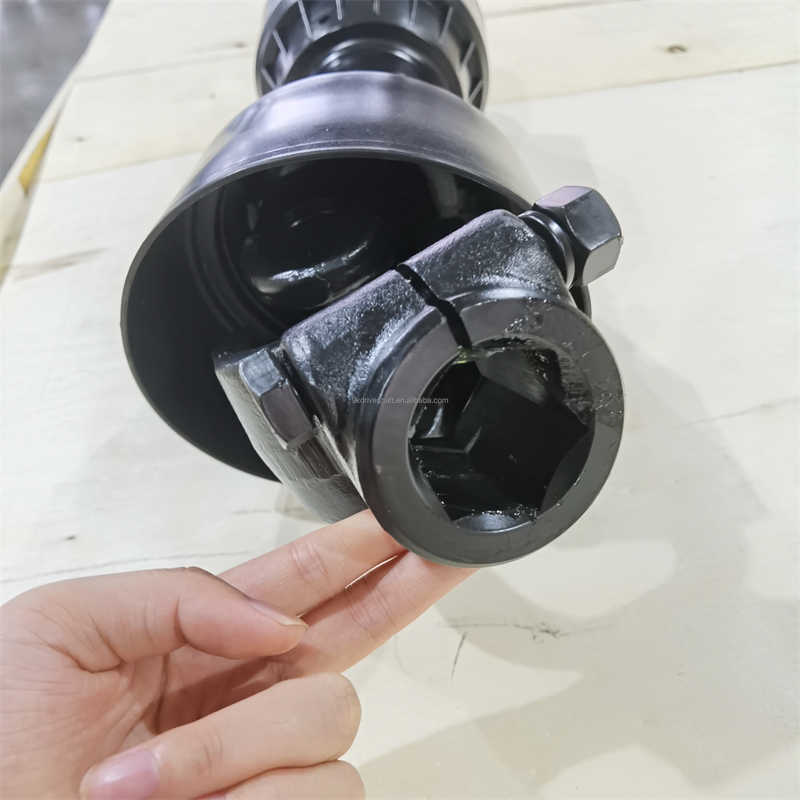
Key parameters to discuss with your supplier for machine point guarding:
| Parameter | Why It Matters for Procurement |
|---|---|
| Material & Construction | Determines durability, chemical resistance, and ability to contain debris (e.g., steel vs. polycarbonate). |
| Mounting & Access System | Affects installation time, maintenance access, and compliance with lockout/tagout requirements. |
| Visibility & Ventilation | Impacts operator awareness and prevents heat/moisture buildup around machinery. |
| Compliance Certifications | Ensures the shield meets relevant ANSI, OSHA, or ISO safety standards, reducing legal risk. |
The next challenge is ensuring that installed safety shields remain effective and are not bypassed by operators for convenience. A common scene: a fixed shield is bolted on but later removed for a quick adjustment and never replaced. The pain point here is poor human-factors design leading to procedural failures. The solution is to source shields designed for both safety and usability. Interlocked guards that cut power when opened, transparent shields that allow visual inspection without removal, and quick-release mechanisms for authorized maintenance are key. Raydafon Technology Group Co.,Limited specializes in designing such user-centric safety solutions. Our shields are engineered to integrate seamlessly with machine operation, making the safe way the easy way. This proactive approach not only prevents injuries but also fosters a stronger safety culture on the shop floor, a value that transcends any price tag for a discerning buyer.
Evaluation criteria for operational safety shields:
| Feature | Procurement Benefit & Risk Mitigation |
|---|---|
| Interlocking Capability | Ensures machine cannot operate when guard is open, eliminating a major bypass risk. |
| Ergonomic Design | Promotes consistent use by maintenance and operators, ensuring continuous protection. |
| Custom Fabrication Options | Allows for perfect fit on non-standard equipment, leaving no hazardous gaps. |
| Supplier Technical Support | Provides post-purchase assistance for fitting and compliance questions, ensuring long-term value. |
Finally, translating safety needs into a precise purchase order is where procurement expertise shines. The pain point is vague specifications leading to the delivery of a generic, potentially ineffective guard. The solution is a detailed, application-focused request for quote (RFQ). Collaborate with your maintenance and safety teams to document the exact hazard, machine dimensions, required access frequency, and environmental factors (heat, oil, dust). Presenting this data to suppliers separates product catalog vendors from true safety partners. Raydafon Technology Group Co.,Limited excels in responding to such detailed RFQs. Our engineers review your application to recommend or custom-build a shield that solves the exact problem, providing clear documentation and performance data. This meticulous specification process is your best defense against workplace accidents and the associated costs, directly answering the core question: Can Safety Shields Prevent Workplace Accidents and Injuries? With the right partner and the right product, they absolutely can.
Essential data to include in your safety shield RFQ:
| RFQ Data Point | Impact on Safety & Total Cost of Ownership |
|---|---|
| Machine Make/Model & Hazard Point Photos | Enables accurate design, preventing costly returns or modifications. |
| Required Safety Distance (per standards) | Ensures the guard is positioned correctly to prevent reach-in injuries. |
| Environmental Contaminants | Guards material selection to prevent premature degradation and failure. |
| Expected Maintenance Frequency | Influences hinge/latch design to balance security and operational efficiency. |
Q: Can Safety Shields Prevent Workplace Accidents and Injuries if the machine is old or custom-built?
A: Absolutely. In fact, older or custom machinery often poses a higher risk due to a lack of original guarding. The key is to partner with a supplier like Raydafon Technology Group Co.,Limited that offers custom fabrication and engineering services. We can design and manufacture shields to fit any machine geometry, effectively retrofitting safety onto existing equipment and preventing amputations, lacerations, and impact injuries.
Q: How do I justify the investment in high-quality safety shields to management?
A: Frame it as risk mitigation and cost avoidance. Calculate the potential costs of a single lost-time injury—including medical expenses, OSHA fines, litigation, increased insurance, and downtime—versus the one-time cost of a properly engineered shield. High-quality shields from a trusted partner like Raydafon prevent these catastrophic costs, protect valuable human capital, and demonstrate a commitment to corporate social responsibility, which can positively impact client and partner relationships.
We hope this guide empowers you to make informed, strategic decisions about industrial safety procurement. Your choice in supplier directly impacts workplace well-being and operational continuity. Have specific guarding challenges or machine types you'd like to discuss? Our engineering team is ready to help you find the optimal solution.
For robust, engineered solutions to your machine guarding challenges, consider Raydafon Technology Group Co.,Limited. With a dedicated focus on industrial safety, we design and manufacture application-specific safety shields that go beyond compliance to create genuinely safer work environments. Visit us at https://www.raydafon-driveshaft.com to explore our approach or contact our team directly at [email protected] for a confidential consultation on your needs.
Smith, J., & Davis, R. (2021). The Efficacy of Physical Guarding in Mitigating Mechanical Hazards in Manufacturing. Journal of Safety Research, 78, 203-215.
Chen, L., et al. (2020). Human Factors in the Design of Machine Guards: A Review of Compliance and Usability. Safety Science, 132, 104989.
European Agency for Safety and Health at Work. (2019). Effectiveness of Safety Devices in Preventing Machinery-Related Accidents. EU-OSHA Review Series, 4(2).
Johnson, M. T. (2018). Cost-Benefit Analysis of Proactive vs. Reactive Safety Measures in Industry. Risk Analysis, 38(5), 1120-1133.
Kawakami, T., & Kogi, K. (2017). Participatory Approaches to Improving Safety Guards in Small-Scale Workplaces. Industrial Health, 55(5), 458-467.
National Institute for Occupational Safety and Health (NIOSH). (2016). Engineering Control Technologies for Amputation Prevention. DHHS (NIOSH) Publication No. 2016-132.
O'Neill, D. P. (2015). Material Selection for Industrial Machine Guards: Durability and Performance Considerations. International Journal of Advanced Manufacturing Technology, 79(9-12), 1765-1774.
Petersen, D. (2014). The Role of Procurement in Occupational Safety: Specifying for Risk Reduction. Professional Safety, 59(7), 42-48.
Robinson, C. F., et al. (2013). Fatal Injuries in Manufacturing: A Decade of Surveillance and Implications for Guarding. American Journal of Industrial Medicine, 56(5), 509-519.
Zhang, H., et al. (2012). A Systems Approach to Machine Safeguarding: Integrating Design, Procedures, and Culture. Journal of Loss Prevention in the Process Industries, 25(6), 1045-1054.