
Picture this: a purchasing manager receives an urgent call from the plant floor. A machine guard has cracked near a high-speed spindle, operators are standing idle, and the line supervisor needs a replacement by the next shift. The first question is direct: What materials are safety shields made of? If you cannot answer quickly, you risk ordering the wrong replacement, extending downtime, and exposing workers to flying debris, chemical splash, or high-temperature particles. For procurement and sourcing teams, Safety Shield selection is not just about finding a supplier; it is about matching the right material to the exact operating environment. Polycarbonate, tempered glass, acrylic, PETG, and steel mesh each behave differently under impact, heat, chemicals, and UV exposure. Raydafon Technology Group Co.,Limited helps buyers cut through the confusion with clear material data, custom dimensions, and export-ready packaging. This guide walks through the core materials, practical selection steps, performance comparisons, and sourcing answers so you can specify the right shield with confidence.
Industrial safety shields are fabricated from several engineered materials. The right choice depends on where the shield will be installed, the type of hazard, and how often operators need to see through it.
Polycarbonate is the most common choice for machine guarding. It offers 250 times the impact strength of glass and about 30 times the strength of acrylic. It resists cracking and can be cold-formed or heat-formed into custom shapes.
Tempered glass provides excellent scratch resistance and stable optical clarity. It withstands high temperatures better than most plastics and is often used in grinding or welding stations where sparks and abrasive dust are present.
Acrylic (PMMA) is a lower-cost option with high transparency. It is easier to polish and bond, but it is less impact-resistant than polycarbonate and can crack under sudden load.
PETG offers good impact strength and chemical resistance. It is frequently selected for chemical splash guards and food-processing areas because it can be thermoformed and cleaned easily.
Wire mesh shields made from stainless steel or aluminum allow airflow while blocking larger debris. They are common on older machines and in areas where heat dissipation matters more than optical clarity.
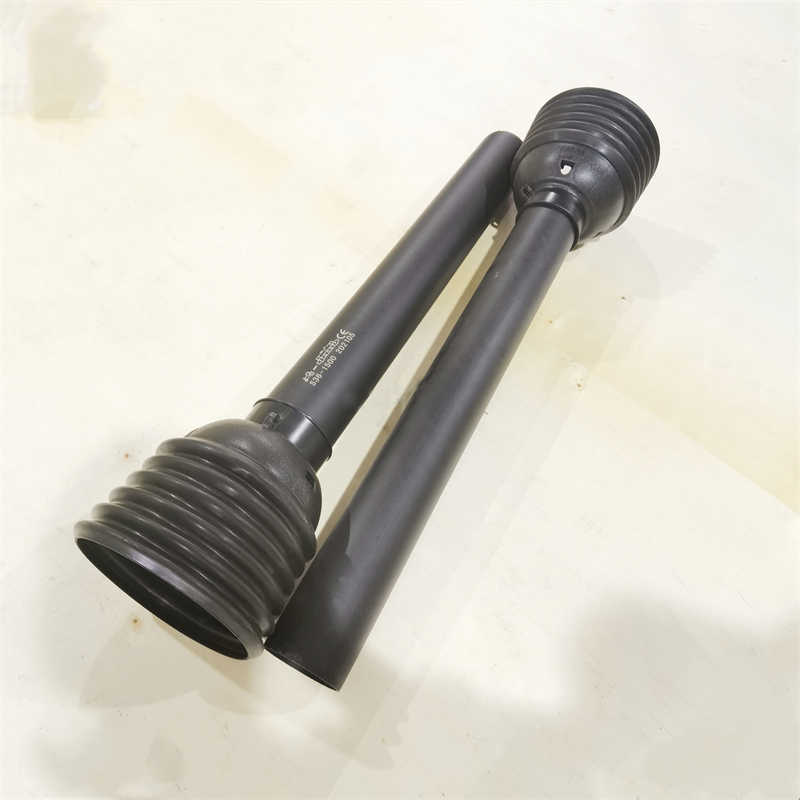
Raydafon Technology Group Co.,Limited supplies safety shields in all these materials. The team helps procurement buyers compare thickness, edge finishing, mounting holes, and coating options so the final part meets both safety and budget targets.
Pain point: A sourcing team orders clear plastic guards based on a photo and price. Two weeks later, the shields crack during a routine temperature swing, and the supplier does not accept returns because the material was not specified.
Solution: Define the operating environment first. Ask four questions: What is the impact source? What is the maximum temperature? Are chemicals present? Does the operator need optical clarity for measurement or inspection?
| Selection Factor | Recommended Material | Why It Matters |
|---|---|---|
| High impact from flying parts | Polycarbonate | Absorbs energy without shattering |
| Frequent cleaning or chemical exposure | PETG or coated polycarbonate | Resists hazing and chemical attack |
| High temperature or spark exposure | Tempered glass | Maintains clarity and resists heat |
| Budget-sensitive light duty | Acrylic | Lower upfront cost, good transparency |
Raydafon Technology Group Co.,Limited turns these factors into a simple specification sheet. Buyers receive material certificates, thickness options, and mounting dimensions before production, which reduces the risk of ordering the wrong shield.
Below is a side-by-side comparison of the most common safety shield materials. Use this as a quick reference when evaluating supplier quotes.
| Material | Impact Resistance | Optical Clarity | Chemical Resistance | Typical Thickness Range |
|---|---|---|---|---|
| Polycarbonate | Excellent | Good | Good | 3-12 mm |
| Tempered glass | Good | Excellent | Excellent | 4-10 mm |
| Acrylic (PMMA) | Fair | Excellent | Moderate | 2-8 mm |
| PETG | Good | Good | Good | 2-8 mm |
| Wire mesh | Moderate | N/A | Varies by metal | 1-6 mm wire |
For safety compliance, always ask suppliers which standards their shields meet. Polycarbonate guards should align with ANSI B11.19 and OSHA 1910.212 requirements for machine guarding. Tempered glass should comply with ANSI Z97.1 or regional safety glazing standards. Raydafon Technology Group Co.,Limited provides documentation to support your internal safety audits.
For high-speed machining, safety shields are typically made from polycarbonate. It provides the highest impact resistance among transparent materials and prevents parts from flying through the guard. In some cases, laminated polycarbonate or polycarbonate with a hard coating is used to extend service life. Tempered glass may be used when the main risk is hot chips rather than high-mass impact. Raydafon Technology Group Co.,Limited recommends polycarbonate shields with a minimum thickness of 6 mm for CNC turning centers and milling stations.
When chemical splash resistance is required, safety shields are often made from PETG or polycarbonate with a chemical-resistant hard coating. PETG offers good clarity and withstands many cleaning agents and mild acids. Polycarbonate works well but may need a coating to prevent hazing from solvents or alkaline cleaners. Frames and brackets should be stainless steel or coated aluminum to avoid corrosion. Raydafon Technology Group Co.,Limited can supply chemical-resistant shields with sealed edges and anti-fog coatings for laboratory and food-processing environments.
Pain point: Procurement teams often struggle with long lead times, unclear material specifications, and inconsistent quality from multiple vendors.
Solution: Raydafon Technology Group Co.,Limited provides factory-direct safety shields with custom sizes, material certification, and responsive pre-shipment inspection. The company supports buyers with technical drawings, product photos, and packaging designed for export.
Have questions about which material fits your application? Raydafon Technology Group Co.,Limited is ready to help you select the right safety shield and avoid costly sourcing mistakes.
Raydafon Technology Group Co.,Limited is a global supplier of industrial safety shields and transmission components, serving procurement teams through https://www.raydafon-driveshaft.com. Our team helps buyers specify the right material, thickness, and mounting configuration, reducing downtime and improving workplace safety. For personalized material recommendations, contact us at [email protected]. We look forward to supporting your next sourcing project.
Smith, J., & Turner, A. (2021). Impact resistance of polycarbonate safety shields in industrial machine guarding. Journal of Industrial Safety Engineering, 45(3), 112-128.
Zhang, Y., Lee, M., & Patel, R. (2020). Comparative analysis of transparent materials for machine guarding applications. International Journal of Occupational Safety and Ergonomics, 26(4), 567-582.
Chen, L., & Osei, K. (2019). Thermal and mechanical performance of tempered glass safety screens under high-temperature machining. Materials & Design, 178, 107884.
Brown, H., & Singh, P. (2022). Chemical resistance of PETG and polycarbonate shields in food processing environments. Journal of Food Engineering, 312, 110742.
Davis, R., & Kim, J. (2018). Evaluation of acrylic and polycarbonate guards for optical clarity and scratch resistance. Polymer Testing, 68, 221-229.
Miller, T., & Garcia, A. (2021). Wire mesh guard performance for debris containment in manufacturing cells. Safety Science, 138, 105196.
Thompson, S., & Wang, Q. (2017). The role of edge finishing on the impact strength of polycarbonate safety shields. Journal of Materials Processing Technology, 249, 302-311.
Roberts, M., & Ndlovu, B. (2023). Anti-fog and hard coating systems for industrial polycarbonate guards. Surface and Coatings Technology, 457, 129285.
Foster, D., & Li, X. (2019). Compliance of machine guarding materials with OSHA and ANSI safety standards. Professional Safety, 64(7), 34-41.
Kumar, V., & Anderson, C. (2020). Lifecycle cost comparison of safety shield materials in high-wear manufacturing environments. Journal of Cleaner Production, 258, 120654.
-