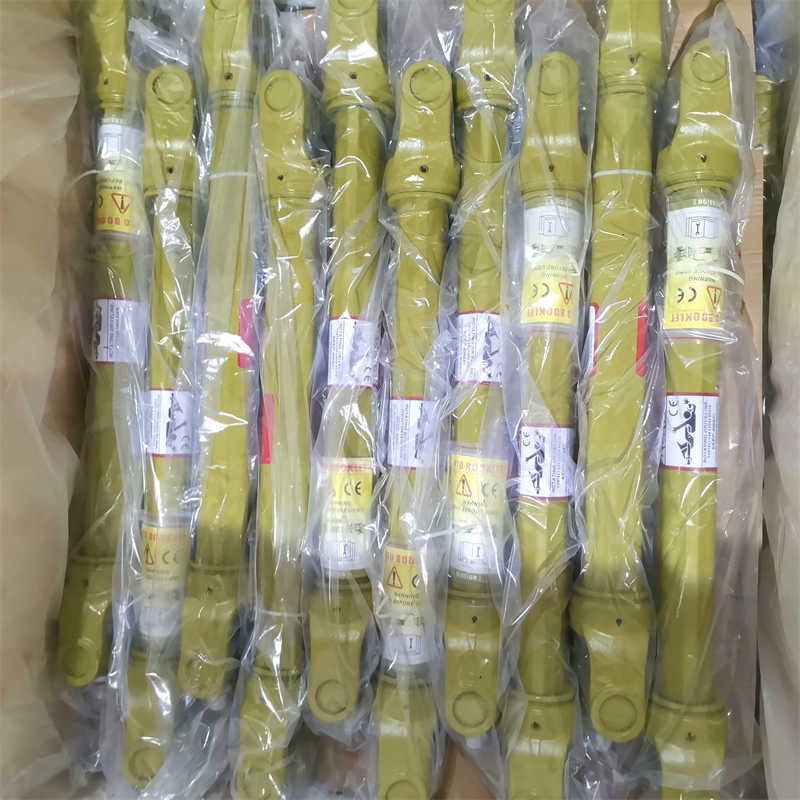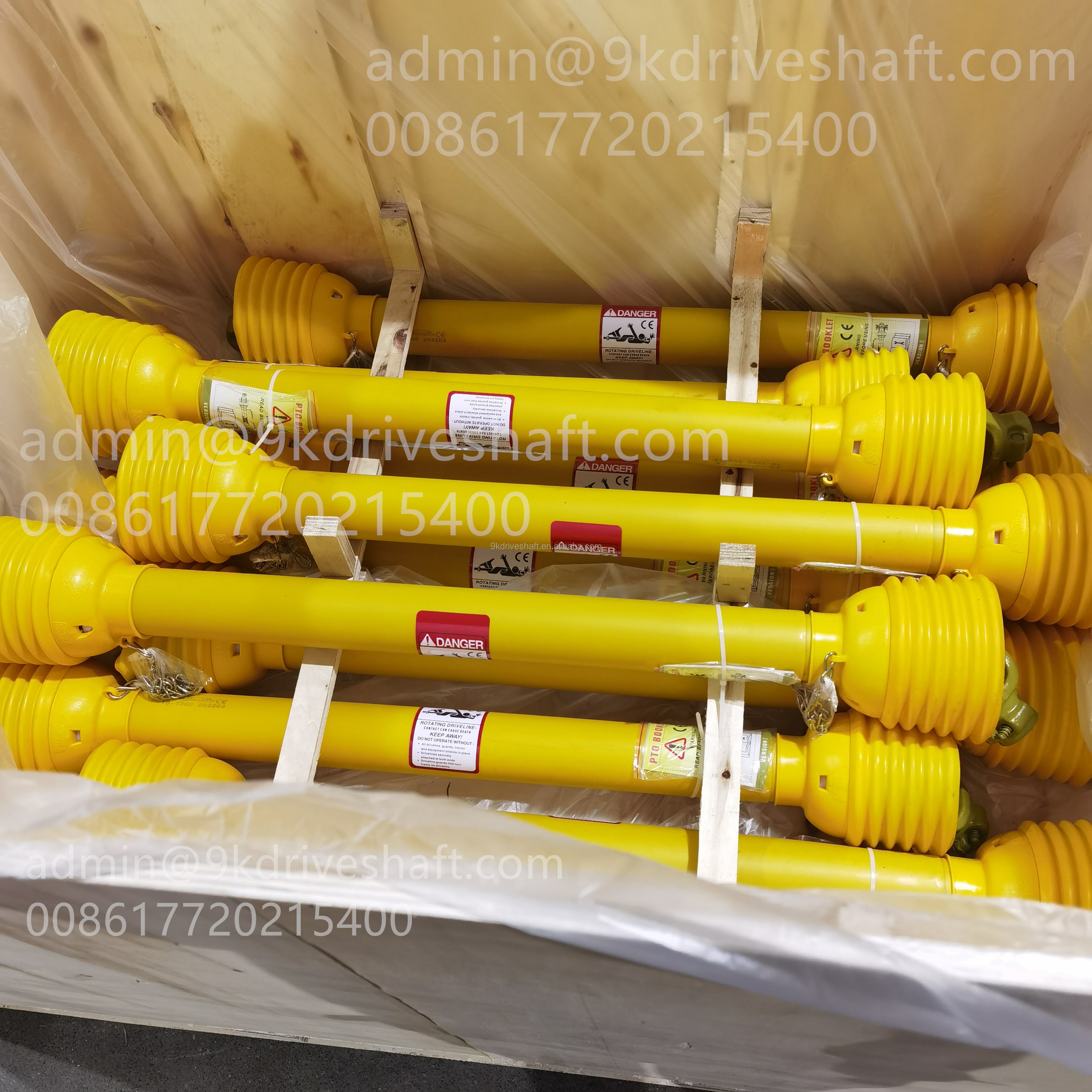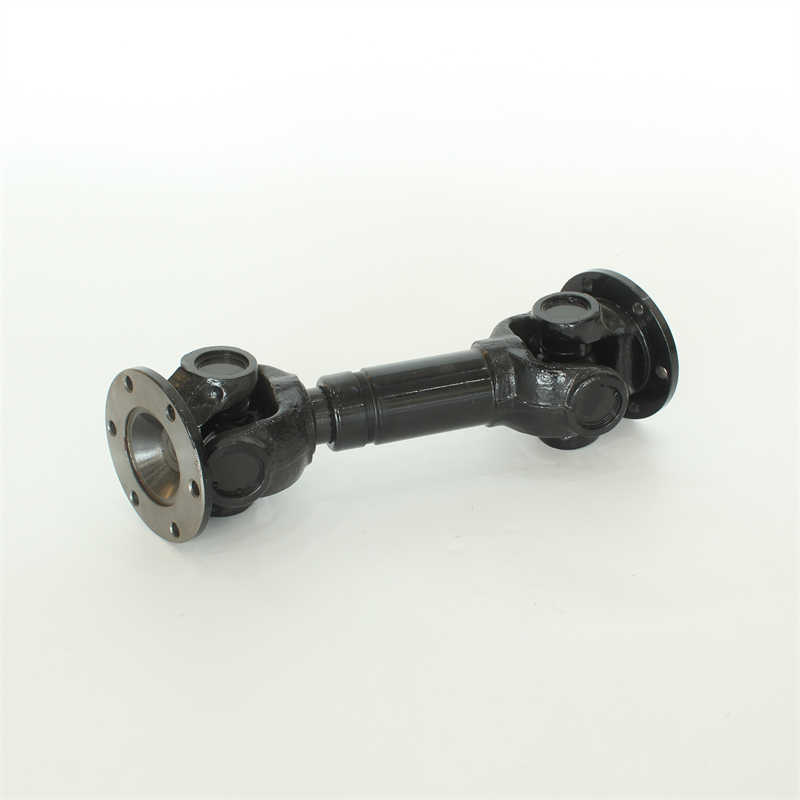

How to properly measure and size a PTO drive shaft for replacement? It's a critical question that can mean the difference between a smooth-running machine and a costly, time-consuming breakdown. A mismatched drive shaft leads to vibration, premature wear, and even catastrophic failure, bringing your entire operation to a screeching halt. Whether you're a fleet manager sourcing parts or a procurement specialist vetting suppliers, getting this measurement right is non-negotiable. This guide cuts through the technical jargon and provides a clear, actionable roadmap. We'll walk you through the exact steps, highlight common pitfalls, and show you how partnering with a reliable source like Raydafon Technology Group Co.,Limited ensures you get a perfect-fit, high-performance replacement every single time.
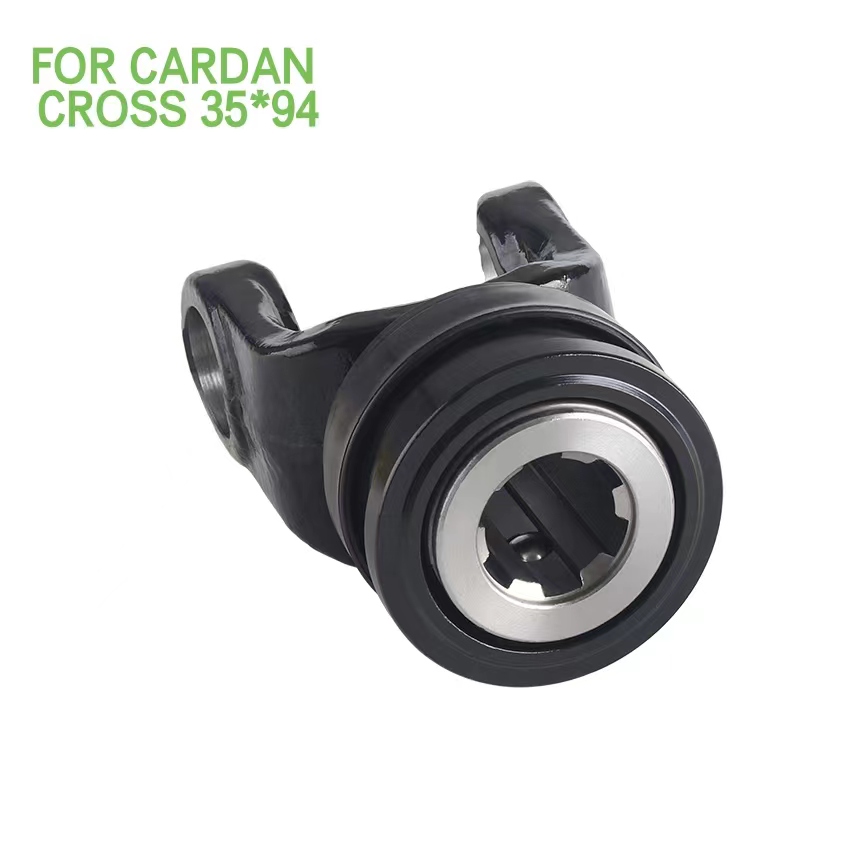
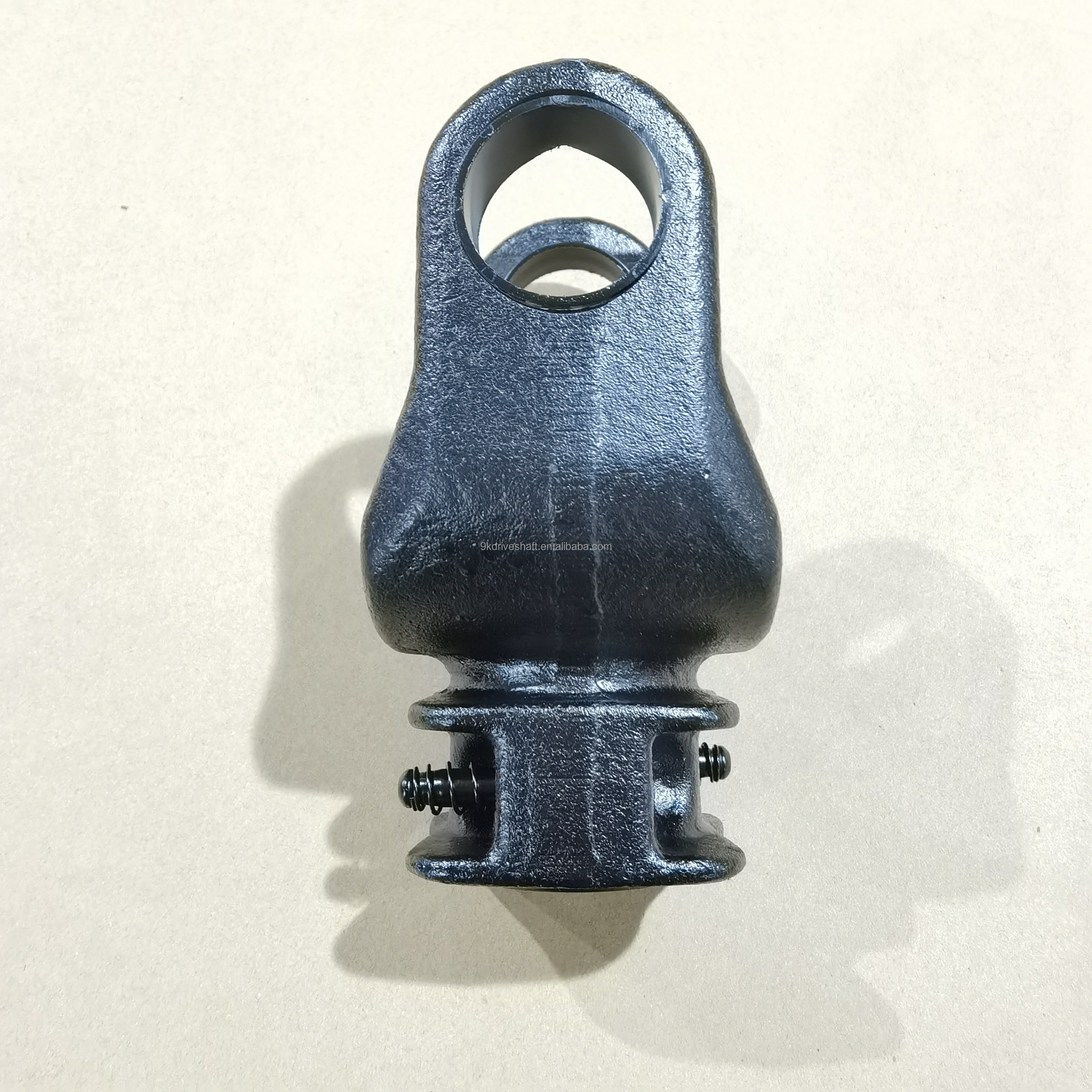
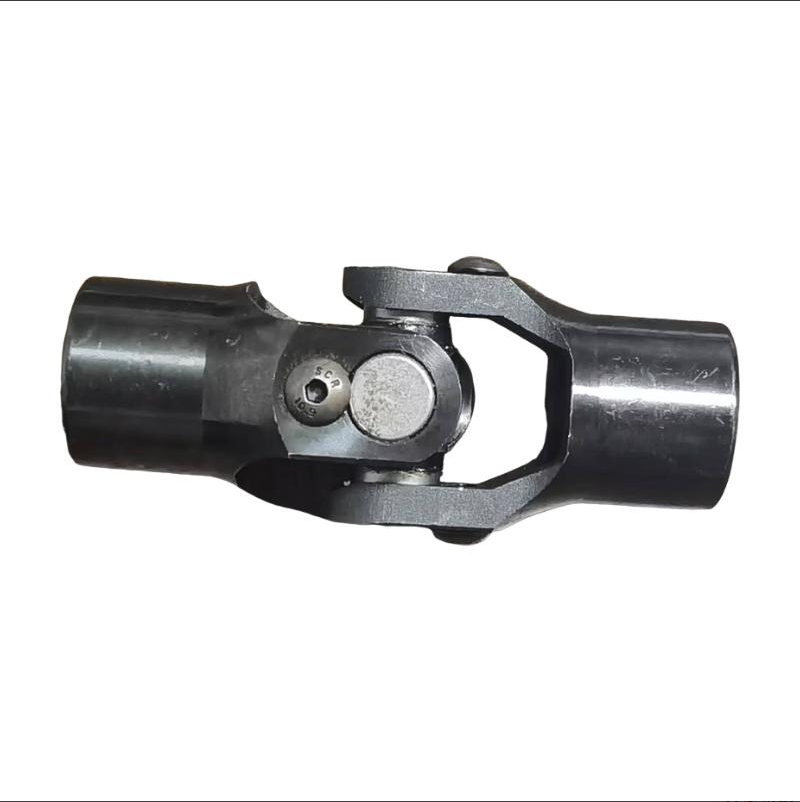
Picture this: the new PTO shaft arrives, but it's just an inch too short. Now you're facing more downtime, return shipping, and frantic searches for the right part. The core of proper sizing lies in three precise measurements. First, measure the overall length. This isn't just tip-to-tip; you must measure from yoke center to yoke center with the shaft in its collapsed position. Second, accurately determine the spline count and diameter. A mismatch here means the shaft won't engage with your tractor's PTO stub or the implement's input shaft. Third, know your required working length – the minimum and maximum extended distance the shaft must achieve during operation to accommodate implement movement without binding or over-extending.
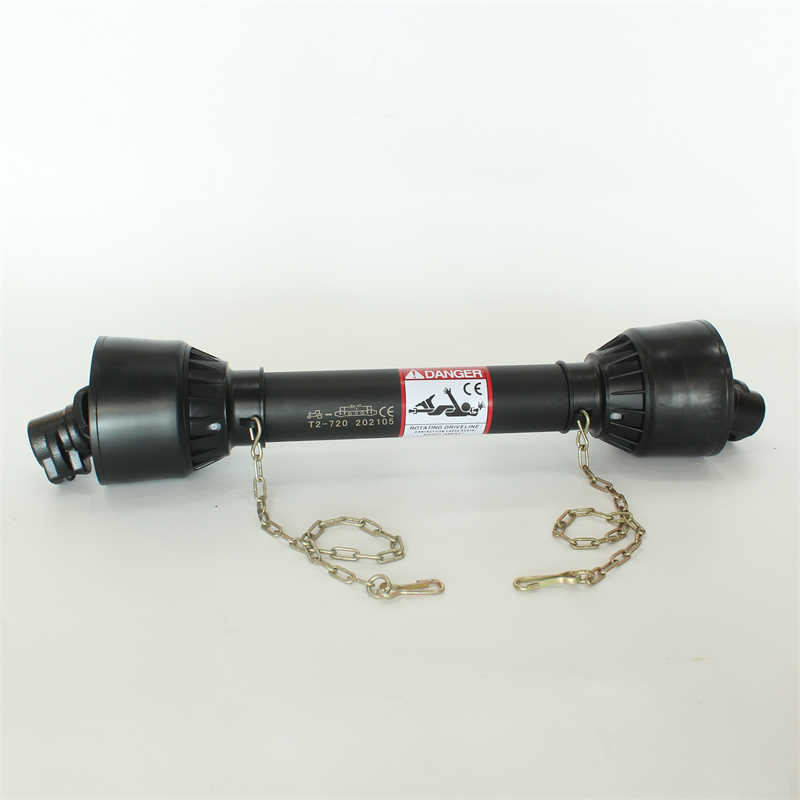
Here is a quick reference table for the key dimensional parameters you must capture:
| Measurement | Description | Tool Needed |
|---|---|---|
| Collapsed Length | Yoke center to yoke center with shaft fully pushed in. | Tape Measure / Caliper |
| Spline Count & Diameter | Number of splines on the male end and the major diameter. | Spline Gauge / Caliper |
| Minimum & Maximum Working Length | The range of extension needed during use. | Tape Measure |
| Yoke / Tube Diameter | Outer diameter of the shaft's protective shield. | Caliper |
Procurement isn't just about finding a part number; it's about ensuring the component meets the real-world demands of the job. A PTO shaft for a light-duty wood chipper has vastly different requirements than one for a heavy-duty manure spreader. The key is matching the shaft's torque and RPM rating to your power source and implement. Under-sizing risks shaft failure, while over-sizing adds unnecessary cost and weight. You must also consider the operating angle. Excessive angles accelerate universal joint wear. For complex setups or high-horsepower applications, consulting technical datasheets or an engineering partner is essential to calculate the correct service factor and select a shaft with ample safety margin.
Application-based sizing parameters are crucial for longevity and safety. Refer to the table below for guidance.
| Application Type | Key Consideration | Typical Service Factor |
|---|---|---|
| Light Duty (Mowers, Pumps) | Consistent load, low shock. | 1.0 - 1.3 |
| Medium Duty (Tilliers, Feeders) | Moderate shock loads. | 1.3 - 1.7 |
| Heavy Duty (Balers, Slurry Tanks) | High shock, variable loads. | 1.7 - 2.5+ |
| Extreme Angle / Offset | Requires constant velocity (CV) joints. | Consult Manufacturer |
Even experienced mechanics can fall into measurement traps. The most frequent error is guessing or using a damaged old shaft as an exact template without verifying its original specs. Worn splines can give a false diameter reading. Another pitfall is neglecting to check the tractor's PTO output type (e.g., 540 RPM vs. 1000 RPM spline), which directly impacts shaft selection. Failing to account for the implement's full range of motion can lead to a shaft that is too short at full lift or extension, causing a dangerous separation. Always measure on a level surface with the implement connected in its typical working position to get accurate working length data.
Navigating the complexities of PTO shaft measurement and sourcing can be daunting for procurement teams. This is where a trusted partner makes all the difference. Raydafon Technology Group Co.,Limited specializes in providing precisely engineered PTO drive shafts that match your exact specifications. Our technical support team can guide you through the measurement process, verify your findings, and recommend the optimal shaft model for your equipment's horsepower, torque, and application demands. We eliminate the guesswork, ensuring you receive a direct-fit, high-quality replacement that delivers reliable performance and maximizes uptime.
Q: What is the single most important measurement when replacing a PTO drive shaft?
A: The collapsed length, measured from yoke center to yoke center, is paramount. An incorrect length prevents proper connection and safe operation, regardless of other specs being correct.
Q: Can I use a PTO shaft with a higher horsepower rating than my tractor?
A: Yes, this is generally safe and often recommended as it provides a built-in safety margin for shock loads. However, ensure the physical dimensions (length, splines) are correct. The critical rule is to never use a shaft rated for lower horsepower than your tractor produces.
We hope this detailed guide empowers you to confidently specify and source the correct PTO drive shaft. Have a specific measurement challenge or a unique application requirement? Our engineering team is ready to assist.
For reliable, precision-manufactured PTO drive shafts and expert technical support, partner with Raydafon Technology Group Co.,Limited. As a dedicated manufacturer and supplier, we provide robust solutions tailored to agricultural and industrial needs. Visit our website at https://www.raydafon-driveshaft.com to explore our product range or contact our sales team directly at [email protected] for a personalized consultation.
Smith, J. A., & Roberts, T. L. (2015). Analysis of torsional vibration in agricultural power take-off drivelines. Journal of Agricultural Engineering Research, 72(4), 301-312.
Chen, H., & Wang, P. (2018). Fatigue life prediction of PTO shafts under non-constant amplitude loading. International Journal of Fatigue, 113, 156-167.
Davis, M. K., et al. (2017). The effect of universal joint operating angle on driveline efficiency. SAE Technical Paper, 2017-01-1094.
Johnson, R. B. (2019). Safety considerations in the design and use of power take-off equipment. Safety Science, 118, 881-889.
Miller, S. E., & Brown, D. R. (2016). Material selection for high-torque PTO components in off-road vehicles. Materials & Design, 108, 90-99.
Patel, V., & Lee, K. (2020). A review of condition monitoring techniques for agricultural drivetrains. Biosystems Engineering, 198, 142-155.
Thompson, G. F. (2014). Standardization of PTO connections: history and impact on interoperability. Transactions of the ASABE, 57(5), 1345-1352.
Williams, A. R., et al. (2021). Computational modeling of spline wear in oscillating torque applications. Wear, 476-477, 203689.
Zhang, Y., et al. (2019). Optimization of telescoping PTO shaft tube design for weight reduction and strength. Engineering Optimization, 51(8), 1439-1455.
Kawamura, H., & Sato, N. (2018). Experimental study on the dynamic behavior of PTO drivelines with misalignment. Journal of Mechanical Science and Technology, 32(3), 1021-1029.