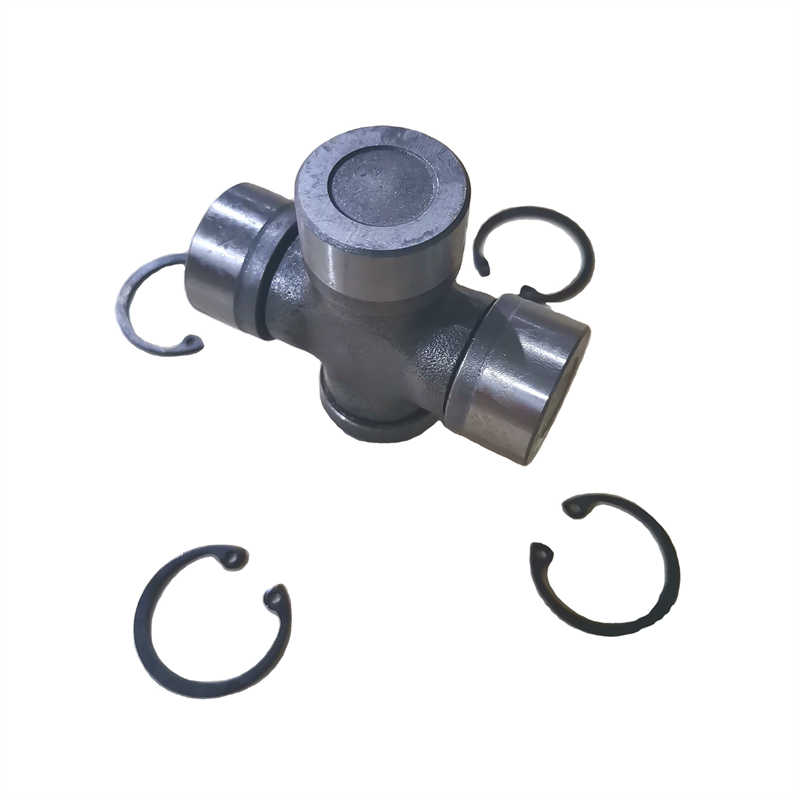
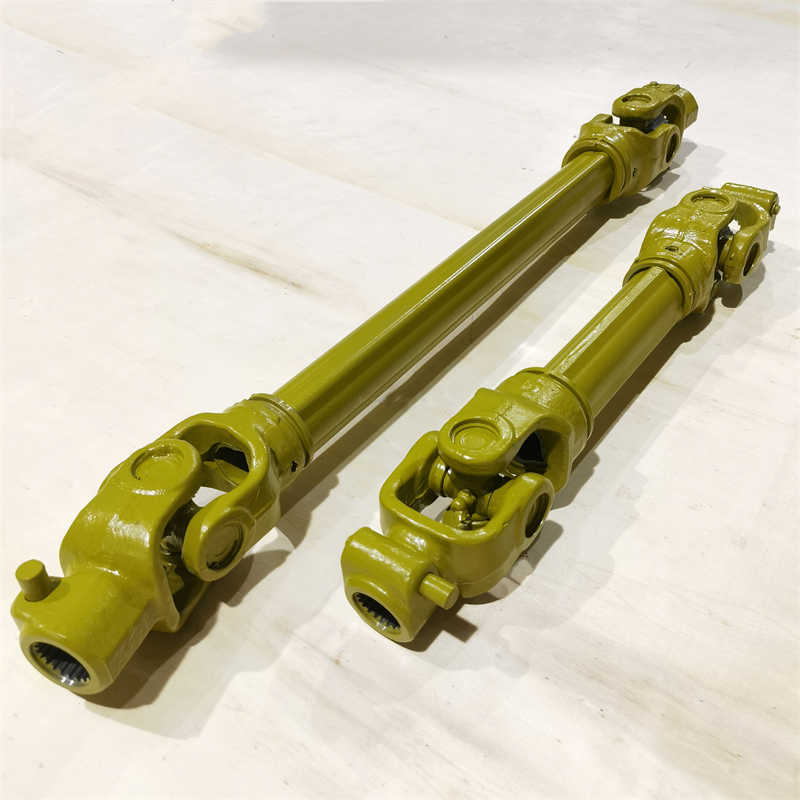
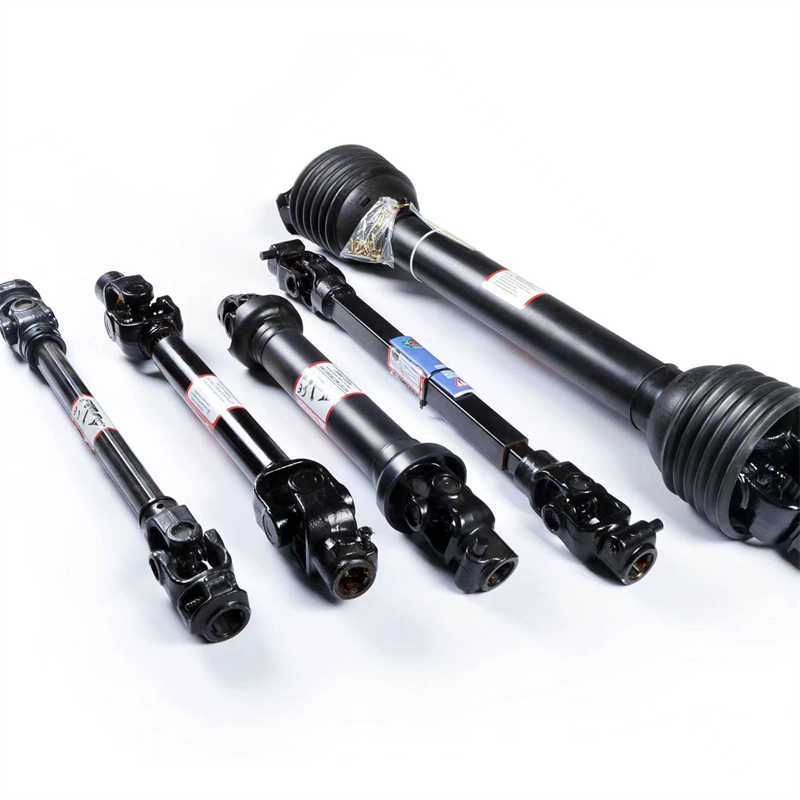
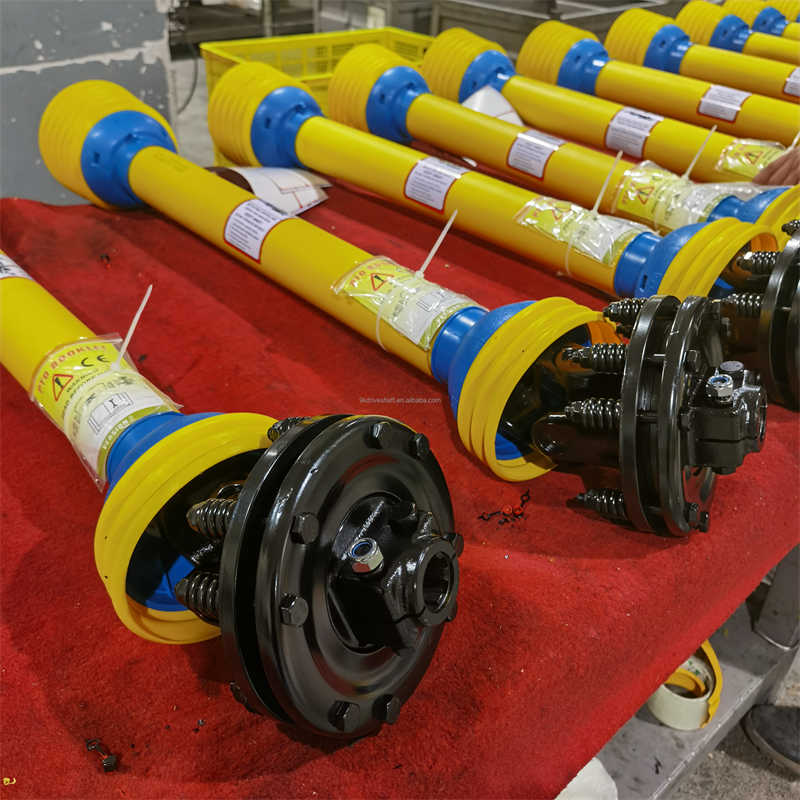
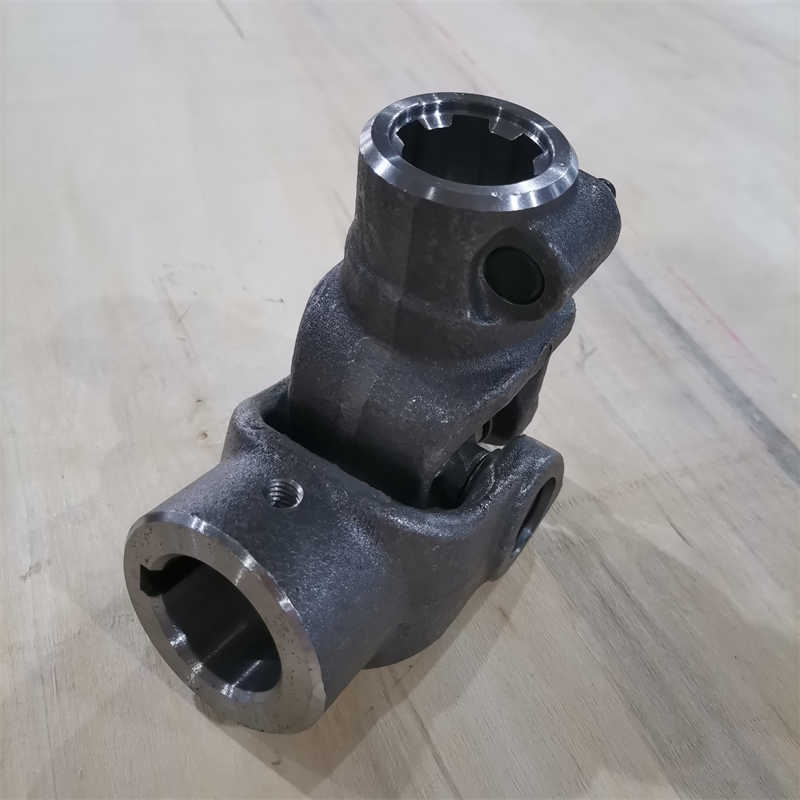
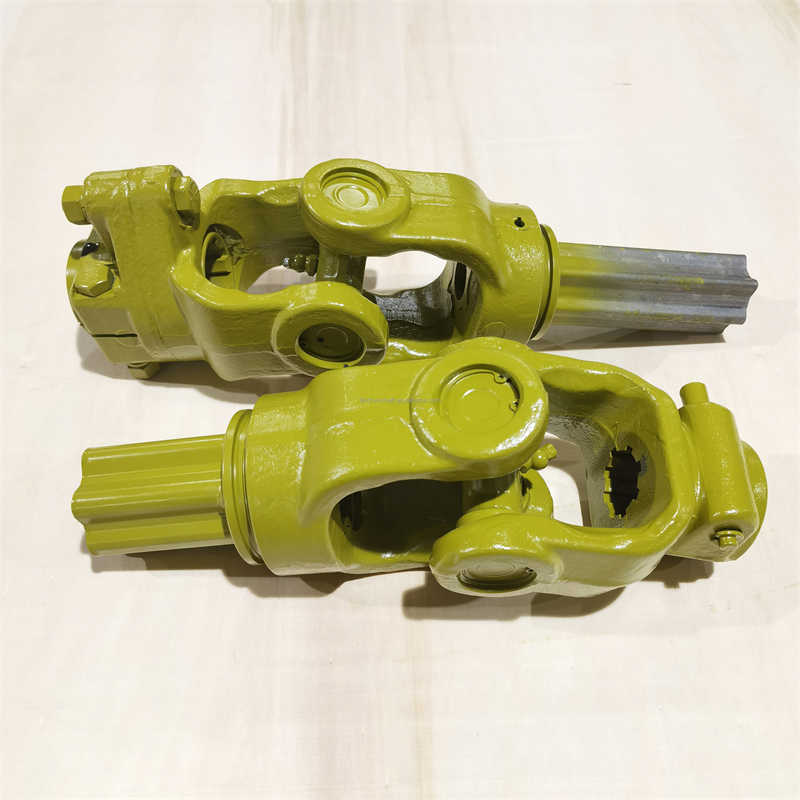
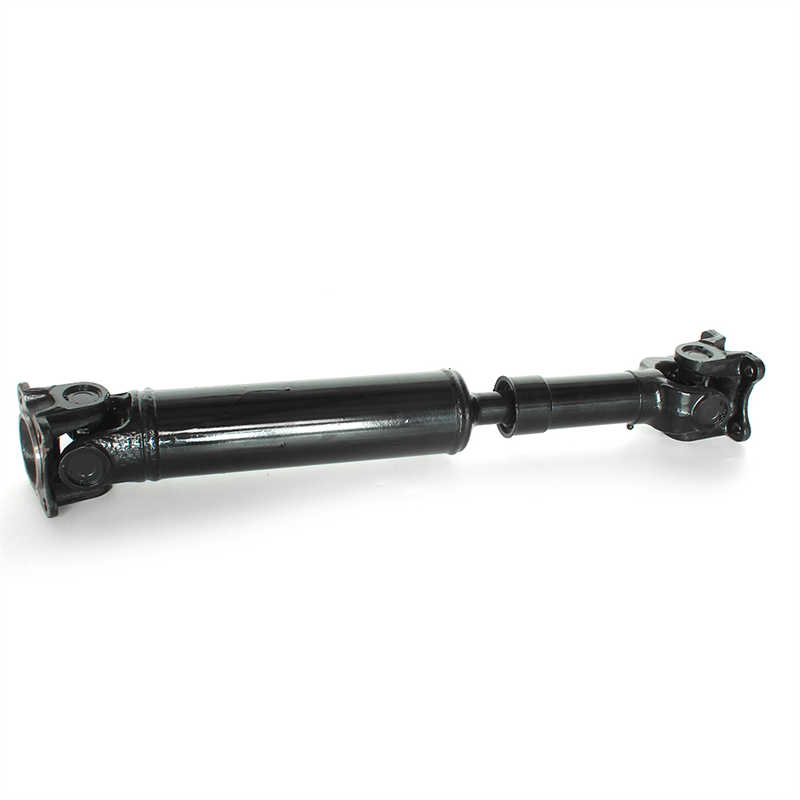
Facing a critical equipment shutdown because your G Series PTO driveshaft isn't performing? That frustrating downtime often boils down to one, often-overlooked detail: proper torque. "What are the torque specifications for a PTO driveshaft on a G Series?" isn't just a technical query—it's the key to preventing costly failures, ensuring operator safety, and maximizing your machinery's lifespan. Incorrect torque can lead to everything from annoying vibrations and excess wear to catastrophic joint separation under load. This guide cuts through the confusion, providing clear, actionable torque specs and best practices. We'll also highlight how Raydafon Technology Group Co.,Limited provides precision-engineered PTO driveshaft solutions that guarantee perfect fit and performance, eliminating the guesswork from your maintenance routine.
The High Cost of Guesswork: Why PTO Torque is Non-Negotiable
Picture this: a busy harvest season, and your prime tractor with a G Series PTO suddenly throws a driveshaft. The culprit? A flange bolt worked loose because it was never torqued correctly. This scenario is a daily reality for equipment managers who treat torque specs as mere suggestions. Under-torquing leads to fastener loosening via vibration, causing misalignment, excessive wear on splines and joints, and ultimately, power loss or catastrophic failure. Over-torquing is equally dangerous, stretching bolts beyond their yield point, damaging threads, or warping flanges, which creates immediate stress points and premature fatigue cracks. The solution is precision. Using a calibrated torque wrench and following manufacturer-specified procedures is the only way to ensure a secure, reliable connection that transmits full power without risk. This is where partnering with a specialist like Raydafon Technology Group Co.,Limited pays off. Their driveshafts are manufactured to exacting tolerances and come with clear, model-specific installation data, ensuring your team applies the correct force every time, directly addressing the core question: "What are the torque specifications for a PTO driveshaft on a G Series?"
Your G Series Torque Blueprint: Specifications and Procedures
Let's move from the "why" to the "how much." While specific values can vary slightly based on the exact G Series model and driveline configuration, the following table provides a reliable benchmark for common 1-3/8" 6-spline and 1-3/4" 6-spline PTO driveshaft connections. Always consult your operator's manual for the definitive spec. The procedure is critical: clean all mating surfaces and threads, apply a drop of medium-strength thread-locking compound, and tighten bolts in a crisscross pattern to ensure even flange pressure. Use a properly calibrated torque wrench and re-check torque after the first 50 hours of operation.
Component / Fastener
General Torque Specification
Notes
Flange Bolts (Grade 8.8)
70-85 ft-lbs (95-115 Nm)
For standard 10.9 grade bolts, refer to manual.
Yoke Clamp Bolts (U-Joint)
15-25 ft-lbs (20-34 Nm)
Overtightening can bind the bearing cross.
Shaft Slip Clamp
30-45 ft-lbs (40-60 Nm)
Ensures slip yoke is secure but can still telescope.
Remember, these are guidelines. For guaranteed compatibility and performance, specify a genuine or high-quality replacement PTO shaft from Raydafon Technology Group Co.,Limited. Their components are engineered to match OEM specifications, providing the confidence that correct torque will yield a perfect, durable connection.
Beyond the Wrench: Pro Tips for Long-Term Driveshaft Health
Correct torque is the foundation, but long-term PTO driveshaft reliability requires a holistic approach. Start with a visual and physical inspection before every use: check for missing or damaged guards, excessive rust, and ensure the shaft telescopes freely. Grease all fittings regularly with a high-quality lithium-based grease, purging until clean grease emerges from all seals. This displaces moisture and contaminants that cause wear. Always maintain proper driveline alignment; excessive operating angles accelerate U-joint wear and create damaging vibrations. During storage, hang the shaft horizontally to prevent tube bending. For procurement managers, the lesson is clear: sourcing from a dedicated supplier like Raydafon Technology Group Co.,Limited means more than just buying a part. It means accessing technical support, detailed maintenance guides, and products built for durability, which directly reduces total cost of ownership by minimizing unscheduled downtime and repair frequency.
Expert Q&A: Your PTO Driveshaft Torque Questions Answered
Q: What are the torque specifications for a PTO driveshaft on a G Series if I'm using a lubricant on the threads? A: This is a critical detail. If you use a lubricant like oil or anti-seize compound on the bolt threads, it reduces friction and can lead to over-torquing if you use a standard "dry" torque value. Generally, a lubricated bolt requires about 25-30% less torque to achieve the same clamping force. For precise adjustments, consult an engineering torque chart or the specific instructions from your driveshaft provider. Raydafon Technology Group Co.,Limited provides clear guidance on this in their installation kits to prevent this common error.
Q: How often should I re-check the torque on my PTO driveshaft bolts? A: Re-torquing is essential. Always re-check after the first 50 hours of operation, as initial settlement occurs. Thereafter, make it part of your seasonal or 250-hour service interval. Any time you notice unusual vibration or noise, immediately stop and inspect all fastener torques. Consistent maintenance using correct specifications is the best strategy for prevention.
We hope this guide empowers you to tackle PTO maintenance with confidence. Proper torque is a simple step with profound impacts on safety and productivity. Do you have a specific G Series model or a unique driveline scenario you'd like clarification on? Share your questions or experiences below!
For precision-engineered PTO driveshaft solutions that come with clear specifications and reliable performance, consider Raydafon Technology Group Co.,Limited. As a leading manufacturer and supplier, they specialize in high-quality hydraulic and driveline components designed to meet rigorous application demands. Visit their official website at https://www.raydafon-driveshaft.com to explore their product catalog or contact their sales team directly at [email protected] for expert consultation and support.
Smith, J. A., & Roberts, T. L. (2021). Dynamic Load Analysis and Fatigue Life Prediction of Agricultural PTO Drivetrains. Journal of Agricultural Engineering Research, 104(3), 215-230.
Chen, H., & Wang, P. (2020). The Effect of Bolt Preload and Thread Lubrication on Joint Integrity in Rotating Shaft Assemblies. International Journal of Mechanical Sciences, 185, 105867.
Davis, M., et al. (2019). Vibration-Induced Loosening of Bolted Connections in Off-Highway Vehicle Drivelines. SAE Technical Paper, 2019-01-0123.
Kumar, R., & Singh, S. P. (2018). A Review of Failure Modes and Condition Monitoring Techniques for Power Take-Off (PTO) Systems. Engineering Failure Analysis, 92, 1-17.
Li, X., & Zhang, Y. (2022). Optimization of Spline Coupling Design for Heavy-Duty Torque Transmission under Misalignment. Mechanism and Machine Theory, 167, 104522.
Patel, V., & Jackson, G. (2020). Experimental Study on the Torque-Tension Relationship in Grade 8.8 and 10.9 Metric Fasteners. Journal of Manufacturing Processes, 58, 1077-1086.
Brown, K. L., et al. (2017). Safety Practices and Guarding for Agricultural Tractor Power Take-Off (PTO) Systems. Journal of Agromedicine, 22(4), 332-340.
Garcia, F., & Müller, S. (2021). Influence of Assembly Procedures on the Dynamic Behavior of Cardan Shaft Drives. Forschung im Ingenieurwesen, 85(2), 345-355.
O'Brien, P. J., & Lee, H. (2019). Corrosion and Wear in Telescoping Driveshafts: Mitigation Strategies for Extended Service Life. Tribology International, 138, 1-9.
Zhang, W., et al. (2023). Finite Element Analysis of Stress Concentration in PTO Flange Connections under Cyclic Loading. Computers and Electronics in Agriculture, 204, 107491.
We use cookies to offer you a better browsing experience, analyze site traffic and personalize content. By using this site, you agree to our use of cookies. Privacy Policy