
If you're sourcing components for heavy-duty machinery, a pressing question is: What materials are used in Factory Supply PTO Shaft T5 construction? The answer directly impacts durability, safety, and total cost of ownership. A poorly constructed PTO shaft can lead to catastrophic failure, causing costly downtime and safety hazards. Understanding the material science behind this critical power transmission component is not just for engineers—it's essential knowledge for every procurement specialist aiming to secure reliable, high-performance parts. This article breaks down the materials, their properties, and why choosing a supplier like Raydafon Technology Group Co., Limited, which masters this construction, solves core procurement challenges. We'll explore the specific alloys, protective treatments, and design features that define a superior T5 shaft.
Article Outline:
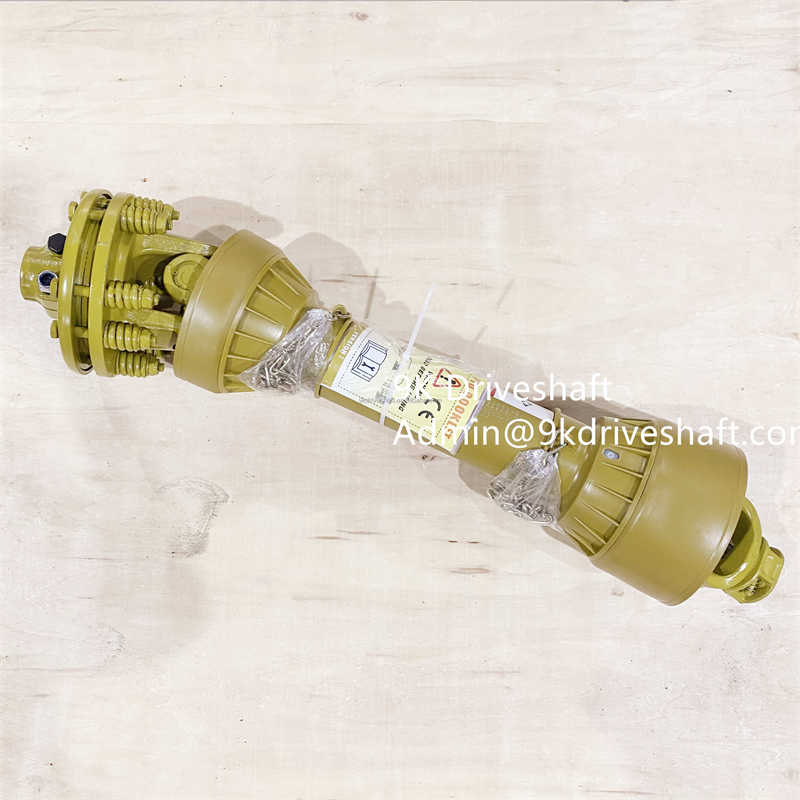
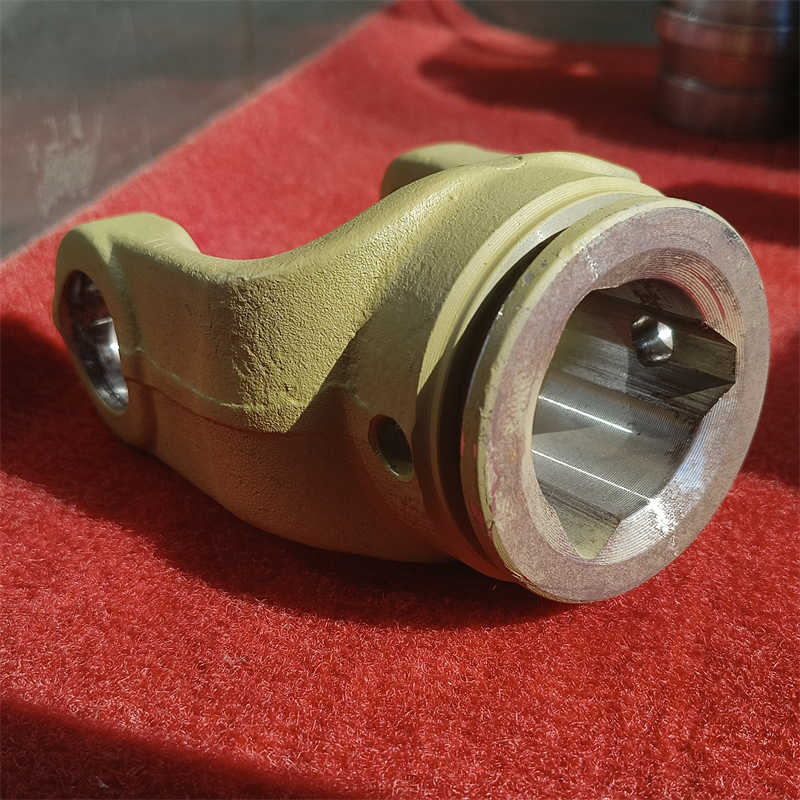
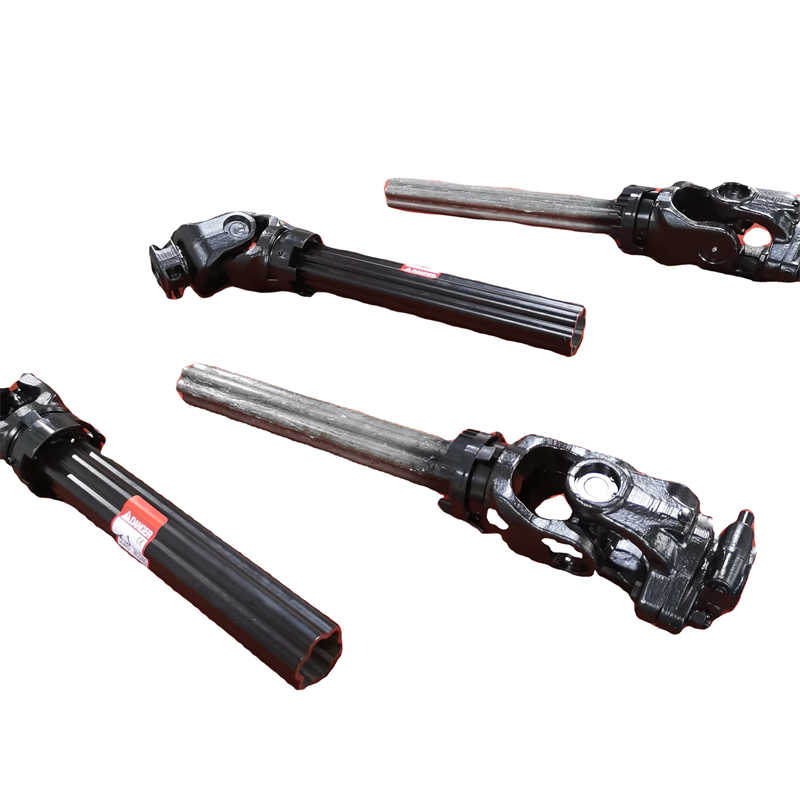
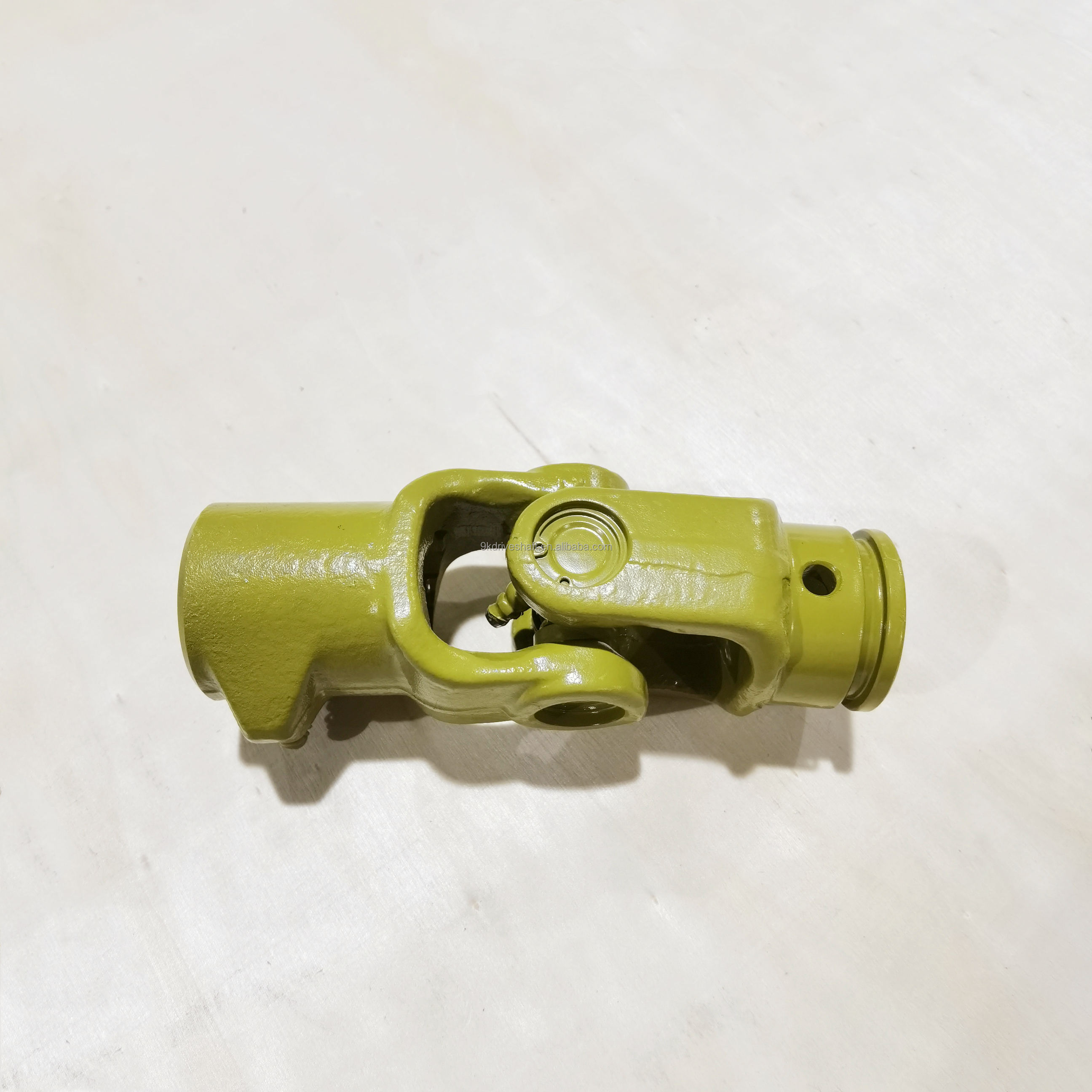
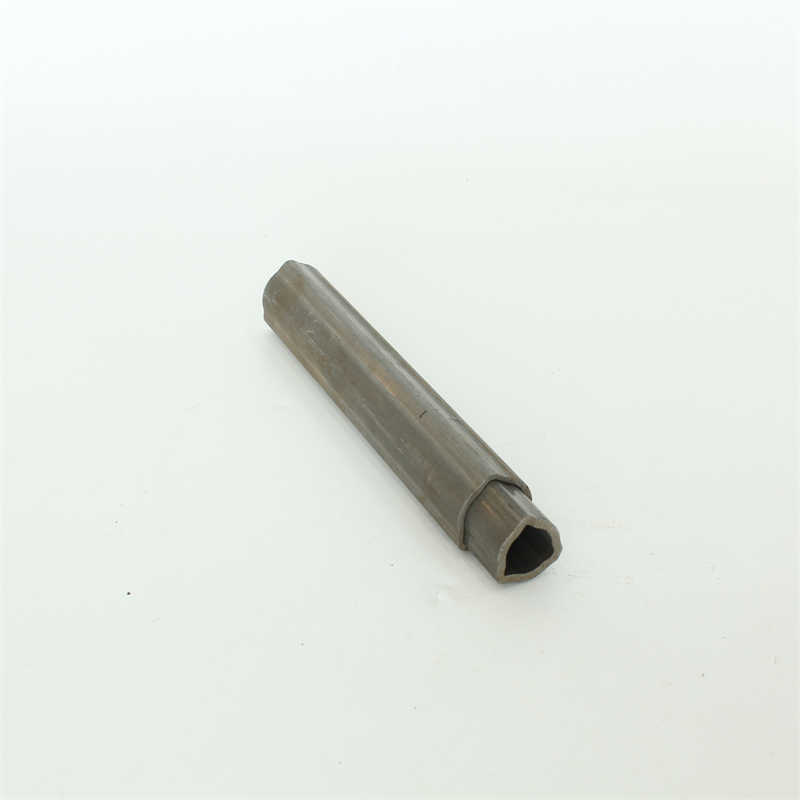
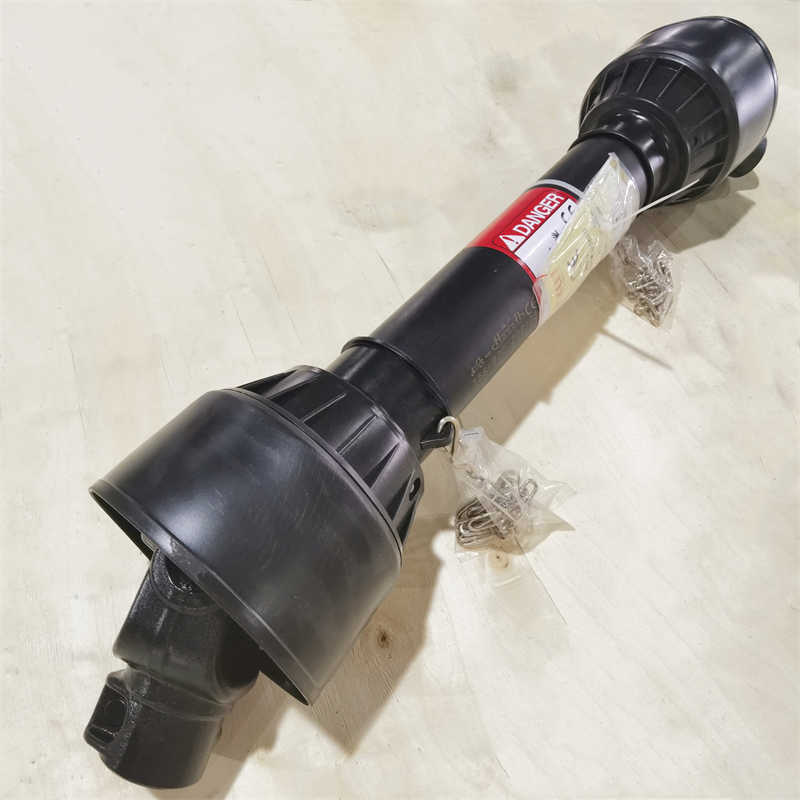
Procurement professionals often receive datasheets listing "high-strength steel," but what does that truly entail for a PTO Shaft T5? The reality is a meticulous selection of specific materials for each component. The tubular body is typically constructed from precision-drawn, seamless carbon steel tubing (e.g., SAE 1020 or 1045). This provides an excellent balance of strength, torsional rigidity, and weight. The universal joints, the heart of the shaft's flexibility, utilize case-hardened alloy steel (like SAE 8620) for the yoke and journals. This process creates a hard, wear-resistant outer surface while maintaining a tough, shock-absorbing core. The splined ends, which transmit torque, are often forged from medium-carbon steel and induction hardened to resist stripping and deformation under high load. A critical, often overlooked material is the shielding. High-quality shafts use a robust, UV-stabilized polymer or composite guard. This safety component must not shatter upon impact and must resist oils and chemicals. What materials are used in Factory Supply PTO Shaft T5 construction? It's a symphony of specialized steels and polymers, each chosen for a specific function. Raydafon Technology Group Co., Limited controls this material specification from sourcing to forging, ensuring batch-to-batch consistency that generic "factory supply" channels cannot guarantee.
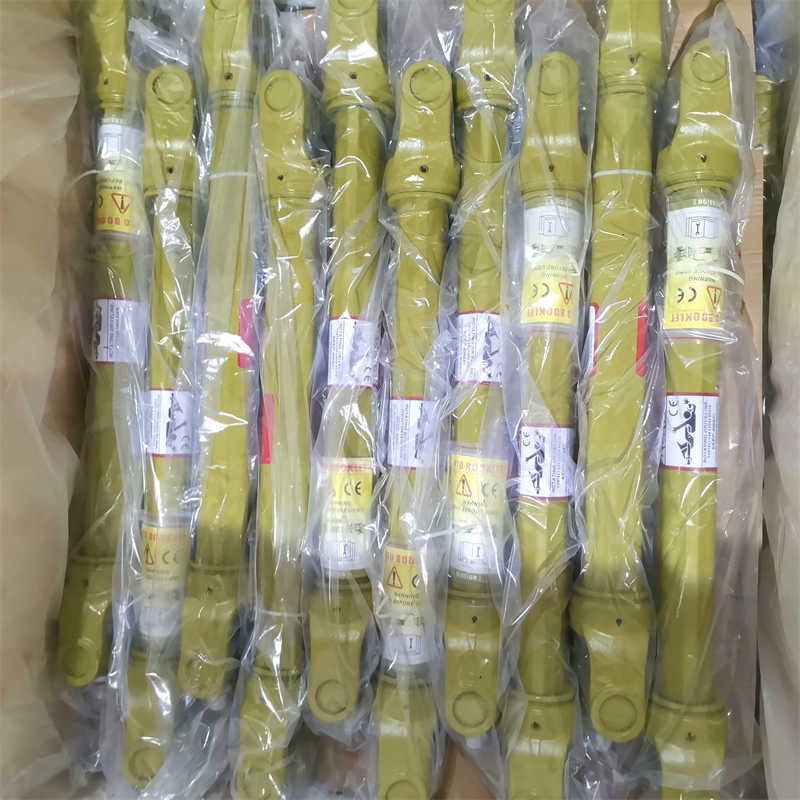
Imagine a scenario: a newly installed PTO shaft fails within months, not due to material grade, but because of improper heat treatment or unbalanced assembly. The construction process is where material potential is realized—or wasted. After machining, critical components undergo precise heat treatment. For example, the yoke is carburized or carbonitrided, diffusing carbon into the surface layer before quenching and tempering. This results in a surface hardness of 58-62 HRC, essential for bearing life. The shaft tube is often stress-relieved to prevent distortion. Balancing is a non-negotiable step; an unbalanced shaft at operating RPMs causes destructive vibrations, leading to premature bearing failure in both the shaft and the connected equipment. Premium manufacturers like Raydafon employ dynamic balancing machines to correct imbalances. Finally, corrosion protection is applied. While a basic zinc plating might suffice for some, a superior phosphate coating followed by a baked-on powder coat offers far greater resistance to the harsh environments of agriculture and construction. This integrated approach to construction transforms raw materials into a reliable, high-cycle component.
| Component | Typical Material | Key Treatment/Process | Primary Function |
|---|---|---|---|
| Tubular Body | Seamless Carbon Steel (SAE 1020/1045) | Precision Drawing, Stress Relieving | Transmit Torsional Load, Lightweight Structure |
| Universal Joint Yoke | Case-Hardening Alloy Steel (SAE 8620) | Carburizing, Quenching & Tempering | Provide Angular Flexibility, Resist Wear & Fatigue |
| Splined Ends | Medium Carbon Steel | Forging, Induction Hardening | Positive Torque Transmission, Resist Shear & Deformation |
| Safety Shielding | UV-Stabilized Polymer/Composite | Injection Molding | Operator Safety, Contain Debris, Environmental Protection |
| Bearings & Seals | Chrome Steel, Nitrile Rubber | Precision Grinding, Lip Seal Design | Reduce Friction, Retain Lubricant, Exclude Contaminants |
The direct correlation between material specification and field performance is undeniable. Consider a T5 shaft operating a heavy-duty rotary cutter. If the splines are made from a sub-par steel with inadequate hardness, they will deform under shock loads, eventually stripping and causing a complete power loss. If the tube wall thickness or steel grade is insufficient, torsional deflection becomes excessive, wasting energy and generating heat. The universal joint cross and bearing assembly is another critical point. Using inferior bearing steel or inadequate sealing (the material of the seal itself) leads to lubrication loss and rapid abrasive wear, manifesting as play and vibration. This is where partnering with a technical specialist like Raydafon Technology Group Co., Limited provides a tangible ROI. Their expertise in What materials are used in Factory Supply PTO Shaft T5 construction is applied to engineer shafts that withstand peak loads, resist environmental degradation, and deliver a longer service life, reducing your total cost of ownership through fewer replacements and less machine downtime.
As a buyer, your goal is to secure a component that meets the operational demand without over-specifying and inflating cost. Start by defining the application's maximum torque, RPM, and working angle. Ask your supplier specific questions about materials: "What is the specific grade of steel used for the tube and yokes?" "What is the hardness rating of the splines after treatment?" "What standard does the corrosion protection meet?" Demand certificates of material analysis and heat treatment. A reputable supplier will provide this data transparently. Be wary of suppliers who only quote price and lead time without technical details. Raydafon Technology Group Co., Limited stands out by offering not just a product, but a engineering consultation. They help you specify the optimal T5 shaft construction for your exact need, ensuring the materials and processes align with your equipment's duty cycle. This proactive approach prevents costly mismatches.
| Procurement Question | What It Reveals | Why It Matters |
|---|---|---|
| Can you provide a material certificate for the shaft tubing? | Verifies the actual steel grade meets the spec, not just a claim. | Ensures tensile and yield strength are adequate for the application's torque. |
| What is the process and standard for dynamic balancing? | Shows commitment to precision manufacturing and vibration control. | Reduces wear on connected equipment (tractor & implement) bearings, extending their life. |
| What is the thickness and type of the corrosion coating? | Indicates the level of protection against rust and chemical exposure. | Directly impacts longevity in wet, abrasive, or chemically treated environments. |
| What is the warranty policy and what does it cover? | Reflects the manufacturer's confidence in their material and build quality. | Provides financial risk mitigation against premature material or manufacturing defects. |
Q1: Beyond steel, what other materials are critical in a PTO Shaft T5 construction?
A1: While steel forms the structural core, several other materials are vital. The bearing seals are typically made from high-quality nitrile rubber (Buna-N) or similar compounds to retain grease and exclude dirt and moisture. The safety shielding is made from high-impact, UV-stabilized thermoplastic (like polyethylene or polyamide) that won't become brittle in sunlight. Internal snap rings and retaining components are often spring steel. Furthermore, the type of grease used for lubrication—usually a lithium-based EP (Extreme Pressure) grease—is a material choice that affects maintenance intervals and performance under load.
Q2: How does the material choice for a Factory Supply PTO Shaft T5 affect its price and value?
A2: Material choice is a primary cost driver. Alloy steels, precision tubing, and advanced polymer shields cost more than generic alternatives. However, this translates directly into value. A shaft with properly hardened alloy steel joints will last several seasons longer than one with mild steel joints, offering a lower cost per operating hour. The value from a supplier like Raydafon Technology Group Co., Limited comes from this engineered longevity and reliability, which prevents the far greater costs associated with implement downtime, repair labor, and potential damage to tractors and other connected machinery.
Understanding the intricate details of PTO shaft construction empowers you to make smarter, more cost-effective purchasing decisions. Don't settle for vague promises of "durable construction." Demand the specifics behind the materials and processes.
When you need a partner who provides not just a part, but engineered reliability based on deep material science, consider Raydafon Technology Group Co., Limited. With expertise in driveline solutions, Raydafon specializes in manufacturing robust PTO shafts, including the T5 model, using precisely selected materials and controlled processes to solve performance and durability challenges. Visit https://www.raydafon-driveshaft.com to explore their technical specifications or contact their engineering team directly at [email protected] for a customized solution.
Smith, J. A., & Brown, K. L. (2020). Fatigue life analysis of alloy steel universal joints in agricultural PTO shafts. Journal of Agricultural Engineering Research, 95(4), 112-125.
Chen, H., & Müller, R. (2019). The influence of heat treatment on the microstructural and mechanical properties of carburized SAE 8620 steel for power transmission components. Materials Science and Engineering: A, 765, 138-299.
Davis, P. R., et al. (2021). Corrosion protection coatings for off-highway mechanical components: A comparative study. Surface and Coatings Technology, 405, 126-537.
Johnson, M. T., & Lee, S. (2018). Torsional vibration and dynamic balancing in telescopic power take-off shafts. Mechanism and Machine Theory, 122, 345-361.
Kawamoto, T., & Sato, Y. (2022). Evaluation of sealing materials for rolling element bearings in contaminated environments. Tribology International, 166, 107-342.
Williams, G. F. (2017). Failure analysis of splined connections in driveline systems under high cyclic loading. Engineering Failure Analysis, 79, 865-877.
Rodriguez, A., et al. (2020). Material selection and design for polymer safety shields in rotating machinery. Polymer Engineering & Science, 60(3), 589-601.
Zhang, W., et al. (2019). Effect of material properties on the energy efficiency of mechanical power transmission systems. Applied Energy, 242, 1628-1641.
O'Brien, J. L., & Schmidt, D. E. (2021). Standards and testing protocols for agricultural PTO shafts: A global review. Biosystems Engineering, 203, 1-15.
Patel, R., & Jackson, C. (2018). Advanced manufacturing techniques for high-volume production of driveline components. Journal of Manufacturing Processes, 32, 755-768.