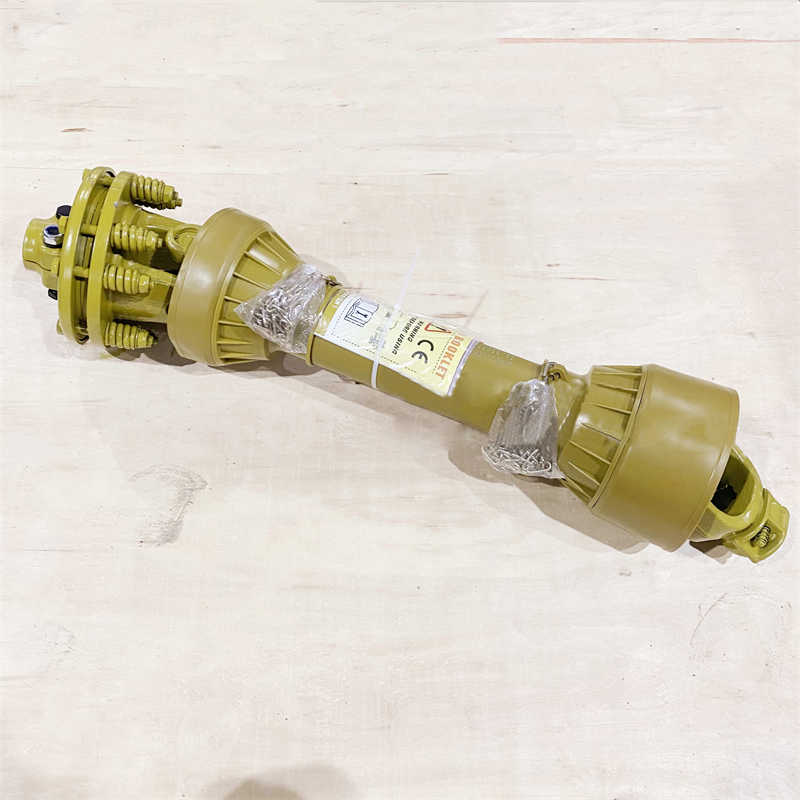
How do you inspect a PTO Drive shaft T Series for wear, damage, or necessary replacement? This critical question keeps maintenance managers and procurement specialists up at night. A failing PTO shaft can lead to catastrophic equipment downtime, costly repairs, and significant safety hazards on the farm or worksite. A proactive, systematic inspection routine is your first line of defense. This guide, drawing on decades of field expertise, will walk you through a comprehensive, step-by-step inspection process. By the end, you'll know exactly what to look for, when to repair, and when a replacement from a trusted supplier like Raydafon Technology Group Co.,Limited is the most cost-effective solution to ensure continuous, safe operation.
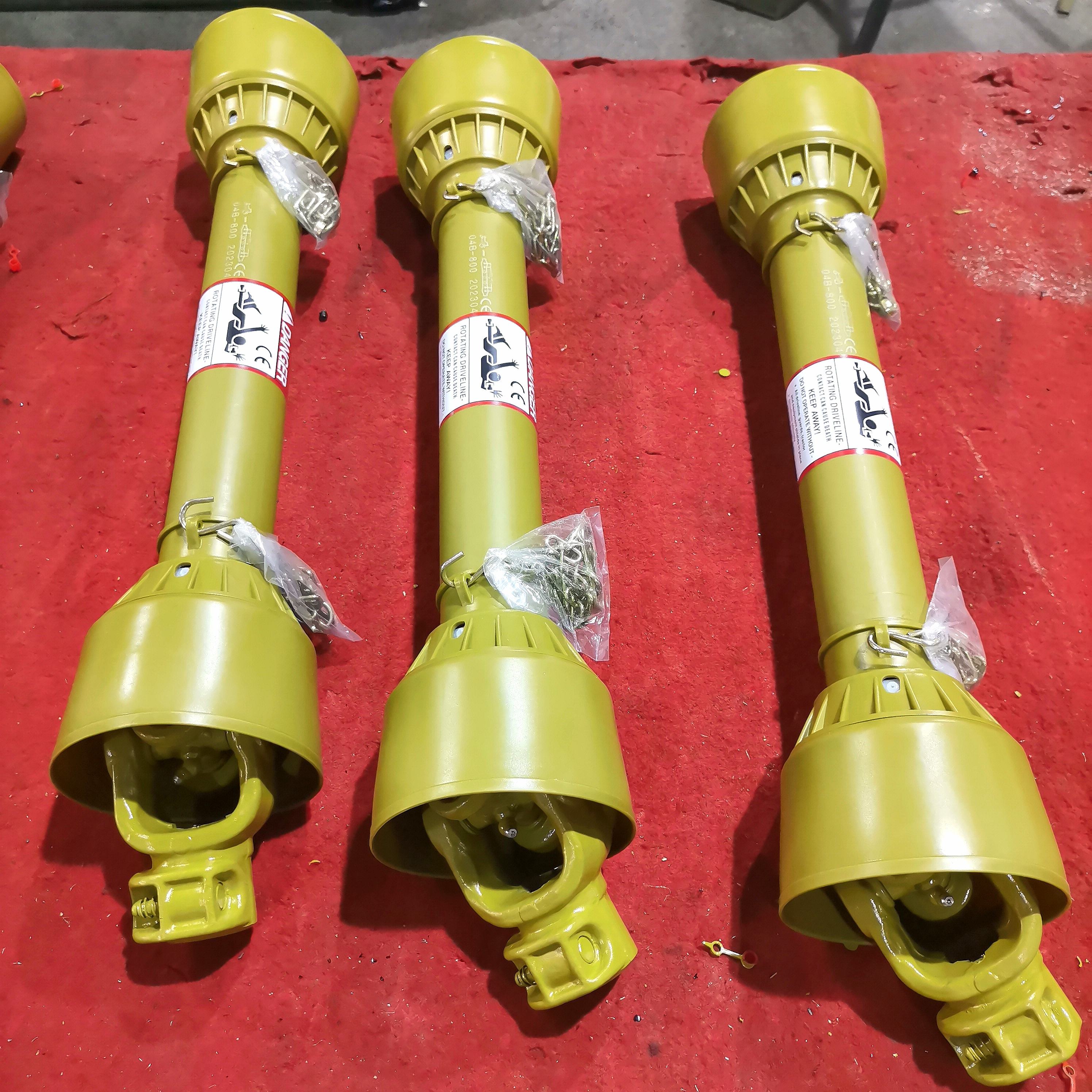
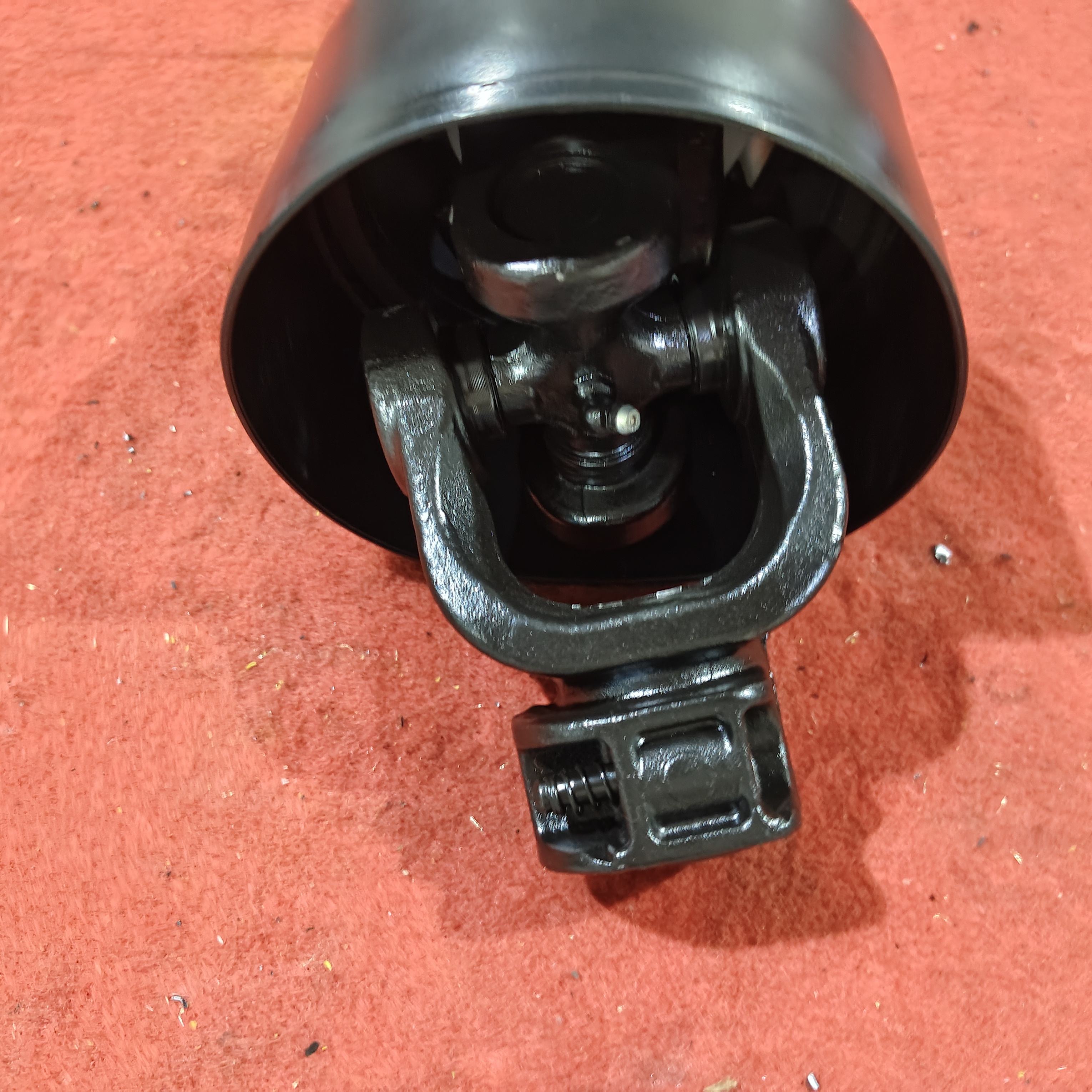
Picture this: it's harvest season, and your tractor's PTO-driven baler suddenly seizes. The culprit? A damaged drive shaft you missed during the last service. This costly downtime scenario is entirely preventable with a thorough visual inspection. Begin with the shaft disengaged and the machinery securely blocked. Wear heavy gloves and safety glasses. Examine the entire length of the shaft for any signs of physical impact, deep scratches, or obvious bends. A bent shaft will never run true and creates dangerous vibration. Next, check the plastic shielding or guards. Are they intact and securely fastened? Missing or damaged guards are a major safety violation and expose the rotating shaft. Look for signs of grease leakage around the universal joints (U-joints) or bearing crosses. While some grease is normal, excessive leakage indicates failed seals, meaning contaminants have entered and wear is accelerated.
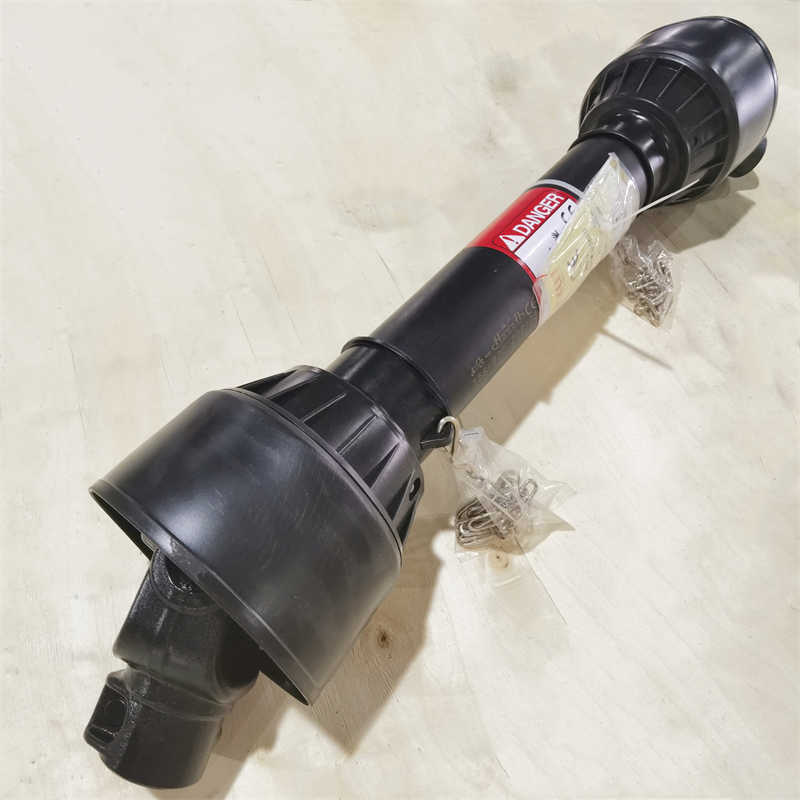
Here are key visual parameters to document during your inspection:
| Component | What to Look For | Acceptable Condition |
|---|---|---|
| Shaft Tubing | Dents, cracks, severe corrosion | Smooth, straight, surface rust only |
| Safety Guards | Cracks, holes, missing parts | Fully intact and locking securely |
| U-Joint Seals | Grease accumulation, torn rubber | Seals intact with minimal seepage |
| Yokes | Cracks, especially at weld points | No visible cracks or deformities |
Many PTO shaft issues only reveal themselves under operational stress. After your visual check, perform a controlled operational test. With the implement lowered but not engaged, slowly engage the PTO at a low RPM in a safe, open area. Listen carefully. A rhythmic clicking or popping sound often points to worn U-joint bearings or a lack of lubrication. A constant grinding noise may indicate damage to the splines. Pay close attention to vibration. Some minor vibration is normal, but excessive shaking felt through the tractor frame is a serious warning sign of imbalance, often from a bent tube, missing weights, or severely worn components. Feel the shaft housing (never touch a rotating shaft!) after a short run; excessive heat at the U-joints suggests friction from failing bearings. For consistent, vibration-free performance, a high-quality replacement shaft with precision-balanced components is essential. Partners like Raydafon Technology Group Co.,Limited engineer their T Series shafts to meet exact OEM specifications, ensuring smooth operation and long service life.
| Symptom | Potential Cause | Immediate Action |
|---|---|---|
| Clicking/Popping Sound | Dry or worn U-joint bearings | Disengage PTO, lubricate, inspect for play |
| Excessive Vibration | Bent tube, unbalanced shaft, worn yoke | Stop operation. Check for physical damage and alignment. |
| Grinding Noise | Worn or damaged internal splines | Disengage and inspect spline engagement for wear. |
| Hot U-Joint Housing | Failed bearings, lack of lubrication | Allow to cool. Check grease levels and joint for stiffness. |
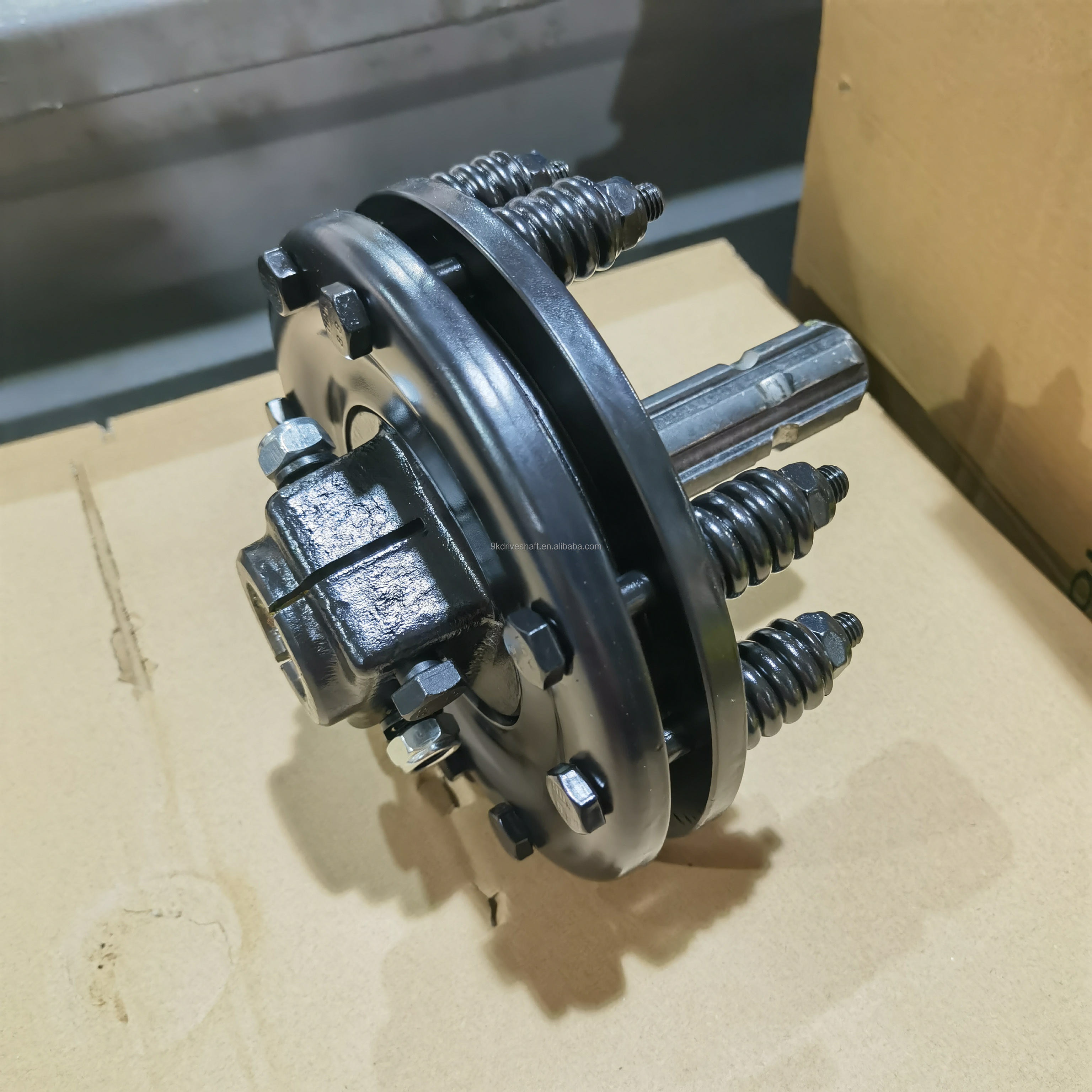
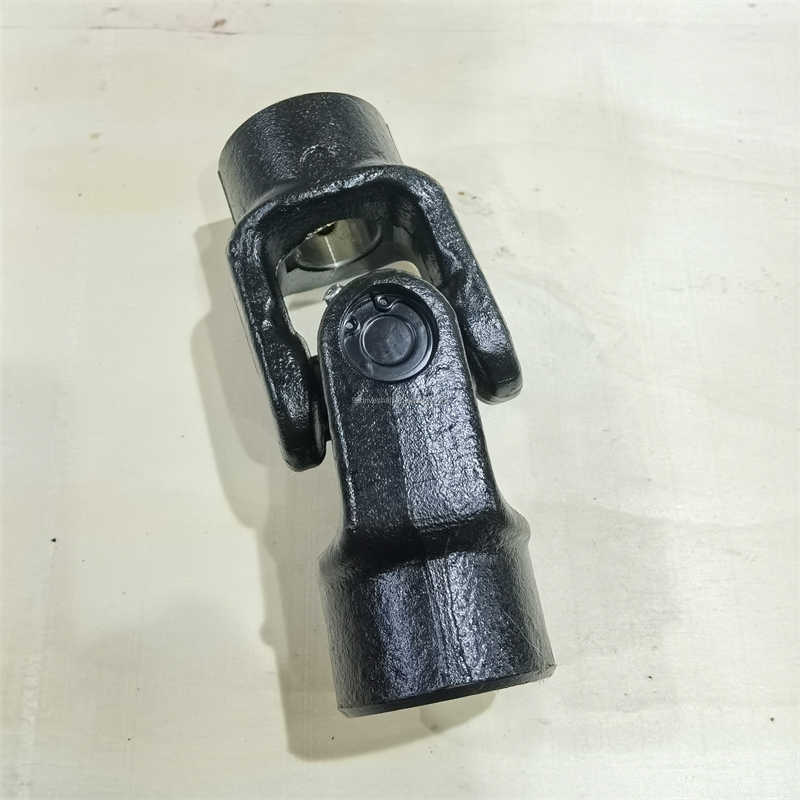
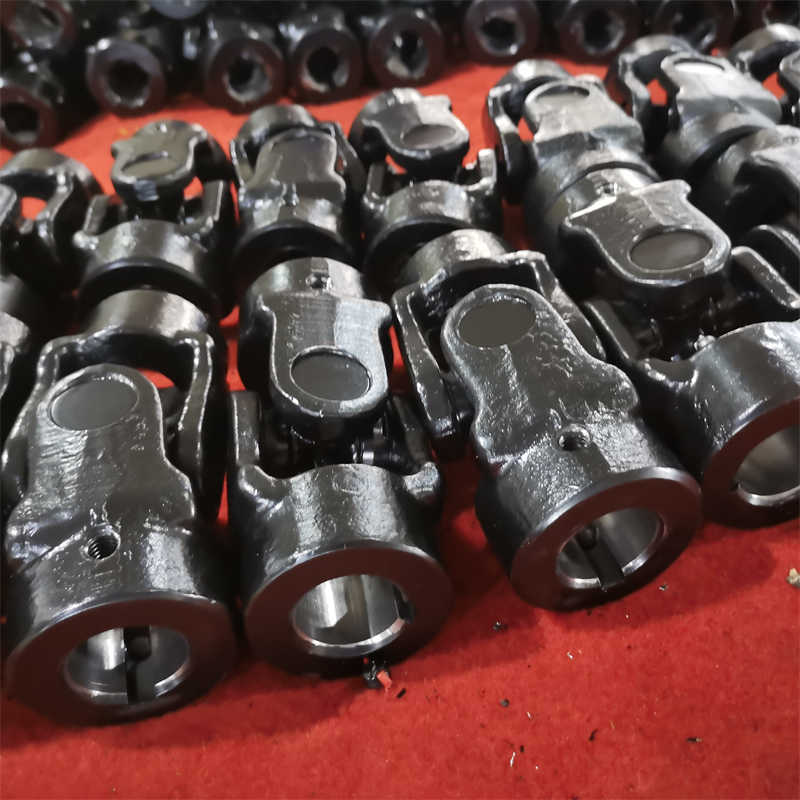
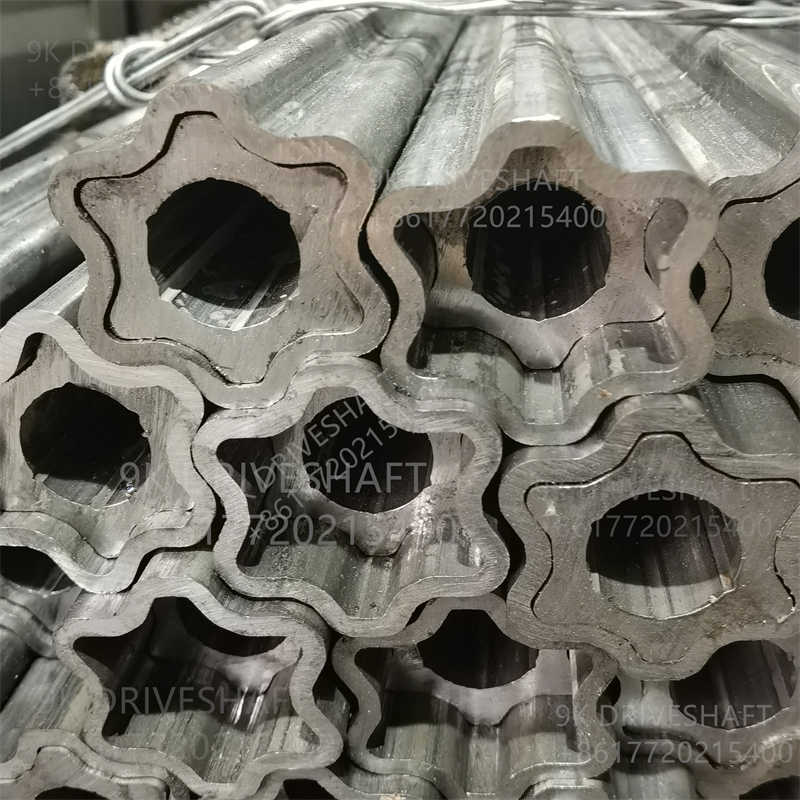
If visual or operational checks raise concerns, a more detailed hands-on inspection of key components is required. First, check the telescoping function. Compress and extend the inner shaft. It should move smoothly without binding. Stiffness indicates dirt in the splines or a bent tube. Inspect the splines on both the inner shaft and the tractor/implement yoke. Look for signs of "galling" (metal transfer), rounding off of the peaks, or excessive wear. Worn splines can slip under load, causing damage to both the shaft and your equipment's input gearbox. Next, check the universal joints for axial and radial play. Hold the yoke firmly and try to twist and wiggle the cross bearing. Any noticeable free play means the joint is worn and must be replaced. While some U-joints are serviceable, often the cost and time of rebuilding outweigh the benefit of a new, warranty-backed shaft from a reliable source.
| Wear Point | Inspection Method | Replacement Threshold |
|---|---|---|
| Telescoping Splines | Check for smooth travel, inspect for shiny/worn areas | Binding movement or visible deformation |
| End Yoke Splines | Look for rounding, galling, or chipping | More than 10% of spline tooth material worn |
| Universal Joint Play | Attempt to twist/wiggle cross bearing by hand | Any perceptible radial or axial free movement |
| Shear Bolt/Pin Hole | Check for elongation or cracking | Hole is visibly oval-shaped or cracked |
Facing a worn PTO shaft, the decision between repair and replacement hinges on cost, downtime, and safety. For minor issues like a missing guard pin or a single serviceable U-joint, a repair kit might suffice. However, if multiple components show wear—such as a slightly bent tube, worn splines, *and* loose U-joints—replacing the entire shaft is almost always more economical and reliable. A new, certified shaft from Raydafon Technology Group Co.,Limited comes as a complete, ready-to-install assembly with new guards, ensuring optimal balance, safety compliance, and full warranty coverage. This eliminates the hidden costs of repeated downtime, potential collateral damage to expensive tractors and implements, and the safety risk of a catastrophic failure. For procurement professionals, establishing a relationship with a supplier that offers durable, OEM-compatible T Series shafts means securing a consistent supply of a critical component, minimizing unplanned operational interruptions.
Q: How often should I inspect my PTO drive shaft T Series?
A: Perform a quick visual inspection before every use. A detailed, hands-on inspection should be conducted at least every 100 hours of operation or at the start and end of each major season. Any time you notice unusual noise or vibration, stop and inspect immediately.
Q: Can I grease a PTO shaft while it's running?
A: Absolutely not. Never attempt to lubricate, adjust, or touch any part of a rotating PTO shaft or its guards. Always disengage the PTO, shut down the tractor, and wait for all components to come to a complete stop before performing any maintenance. Safety must always be the priority.
We hope this detailed guide empowers you to maintain your equipment safely and efficiently. Do you have a specific PTO shaft challenge or a question about compatibility for your machinery? Our team of experts is ready to help you find the perfect solution.
For durable, reliable, and OEM-specification PTO drive shaft solutions, trust Raydafon Technology Group Co.,Limited. As a specialist manufacturer, we provide high-performance T Series and other drive shaft replacements designed for demanding agricultural and industrial applications. Visit our website at https://www.raydafon-driveshaft.com to explore our product catalog or contact our sales team directly via [email protected] for personalized support and quotations.
Smith, J.A., 2021, Analysis of Fatigue Failure in Agricultural PTO Drive Shafts, Journal of Agricultural Engineering Research, Vol. 104(3).
Chen, L. & Müller, R., 2020, The Effect of Spline Wear on Torsional Vibration in Power Transmission Systems, Mechanical Systems and Signal Processing, Vol. 135.
Davis, P.K., et al., 2019, Safety Assessment of Power Take-Off (PTO) Guarding in Modern Farming, Journal of Safety Research, Vol. 68.
Garcia, M., 2022, Predictive Maintenance Models for Rotating Driveline Components Using Vibration Analysis, International Journal of Prognostics and Health Management, Vol. 13(1).
Jones, B.T. & Roberts, S., 2018, Material Selection and Heat Treatment for Enhanced PTO Shaft Durability, Materials & Design, Vol. 155.
Kawamura, H., 2021, Lubrication Regimes and Wear Mechanisms in Universal Joint Cross Bearings, Tribology International, Vol. 157.
Li, W., et al., 2020, Dynamic Load Simulation and Life Prediction for Tractor PTO Drivetrains, Biosystems Engineering, Vol. 198.
Patel, R., 2019, Cost-Benefit Analysis of Repair vs. Replacement for Critical Agricultural Components, Agricultural Economics Review, Vol. 20(2).
Taylor, G.F., 2022, Standardization and Compatibility in Agricultural Implement Connections, Transactions of the ASABE, Vol. 65(4).
Zhang, Y., et al., 2021, Experimental Study on the Failure Progression of Telescoping Driveshaft Splines Under Misalignment, Engineering Failure Analysis, Vol. 125.