
What is the difference between a Cardan shaft and a universal joint? If you're sourcing mechanical components, you've likely asked this question. While often used interchangeably in casual conversation, these terms refer to distinct yet interconnected parts of a common power transmission solution. Understanding their specific roles and construction is crucial for making informed procurement decisions that impact machinery reliability and efficiency. This article will clarify the technical distinctions, explore common application challenges, and guide you towards optimal solutions for your projects.
Article Outline:
Overcoming High-Torque Misalignment Challenges in Heavy Machinery
Ensuring Smooth Operation in High-Speed, Precision Applications
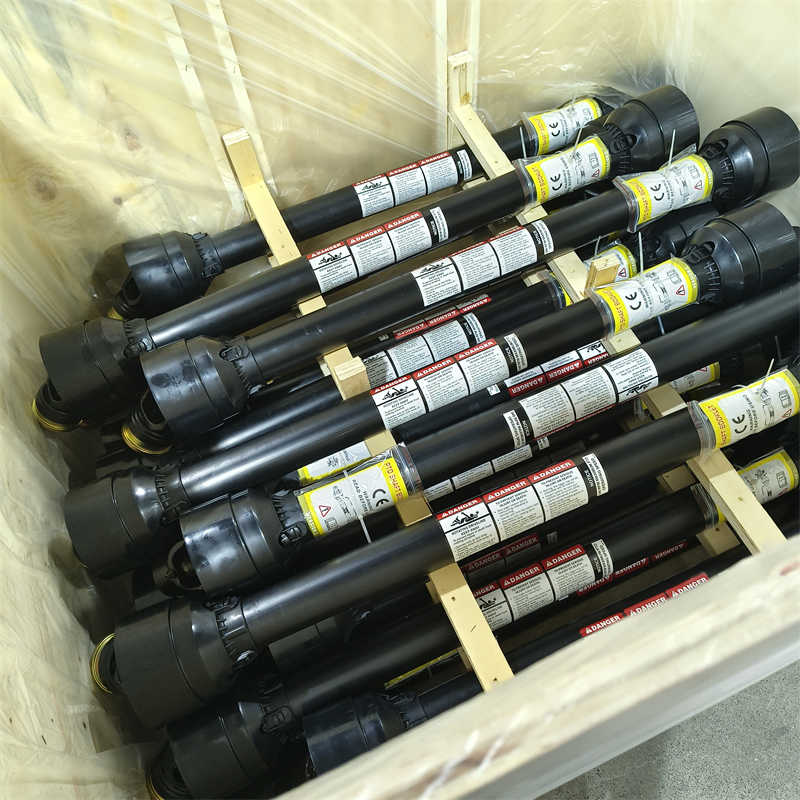
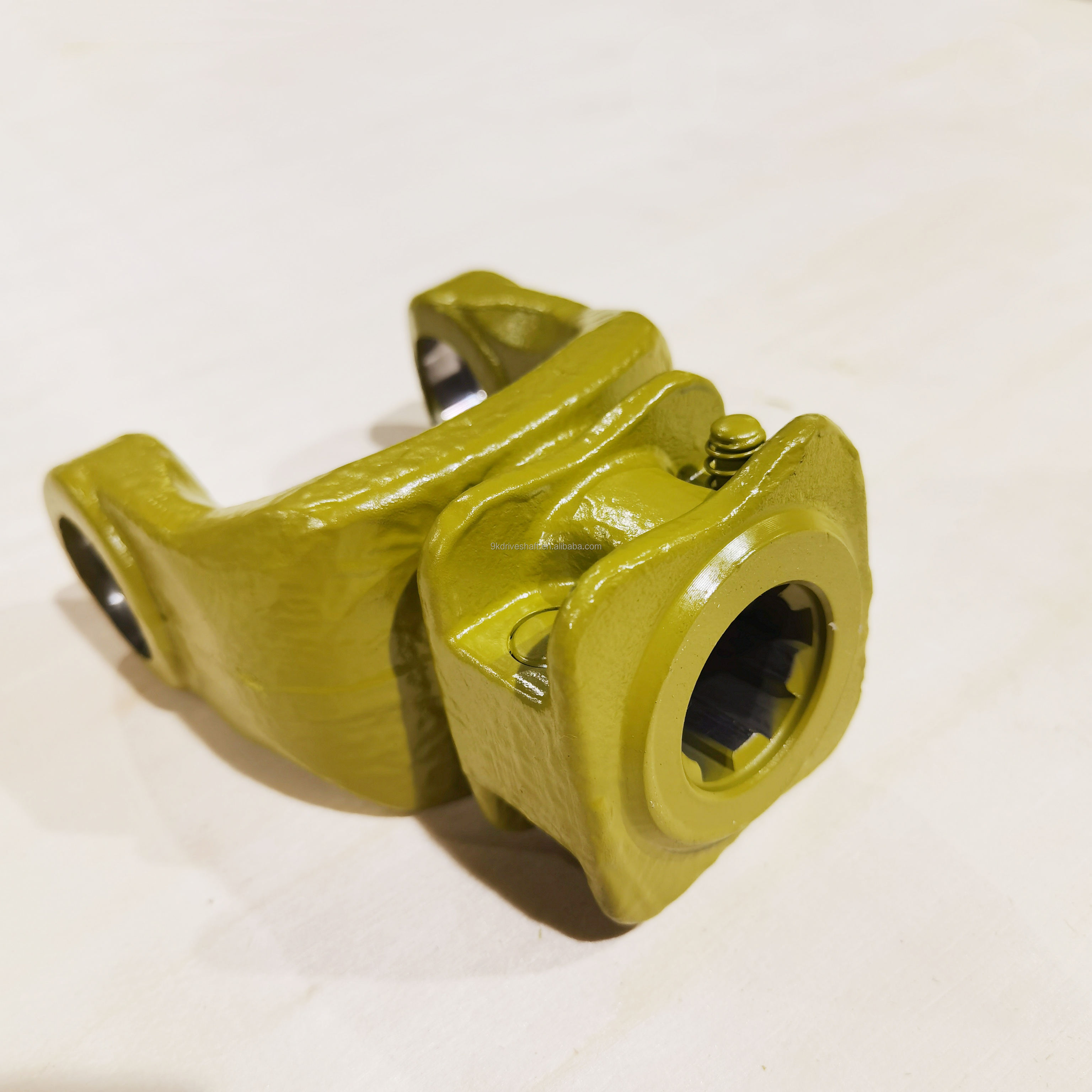
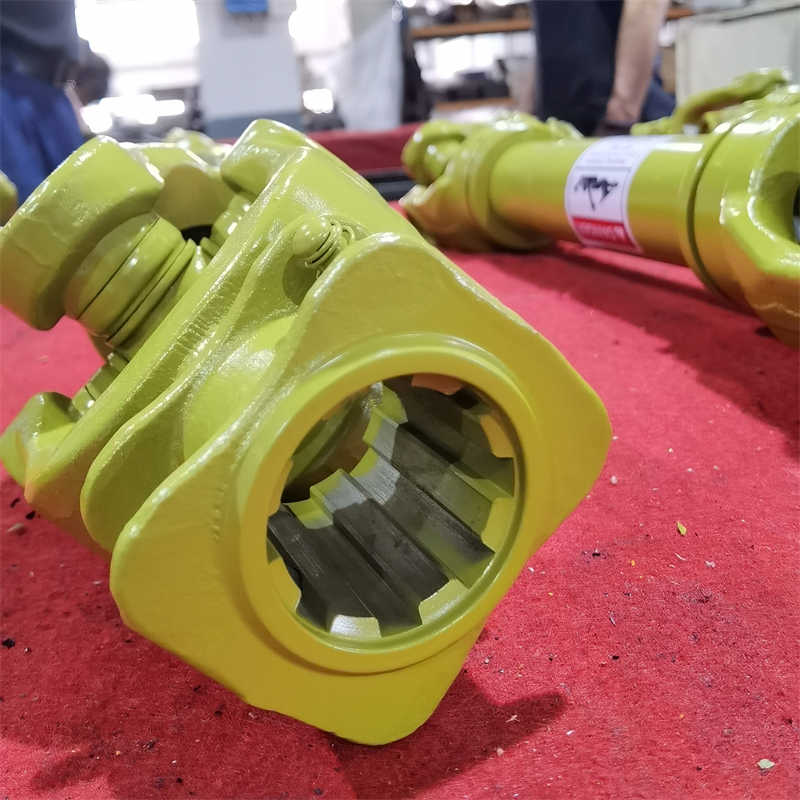
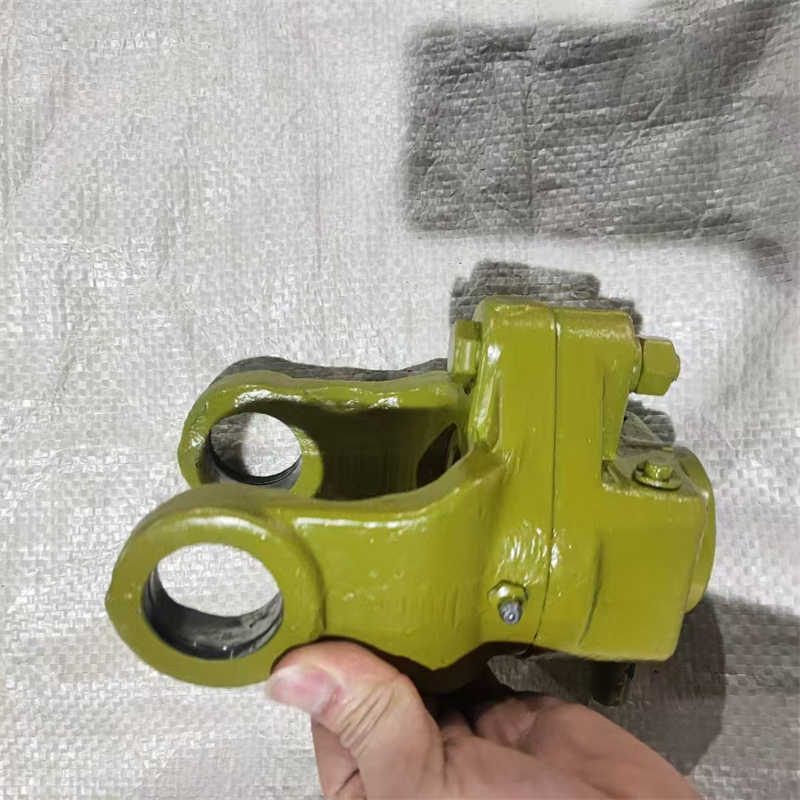
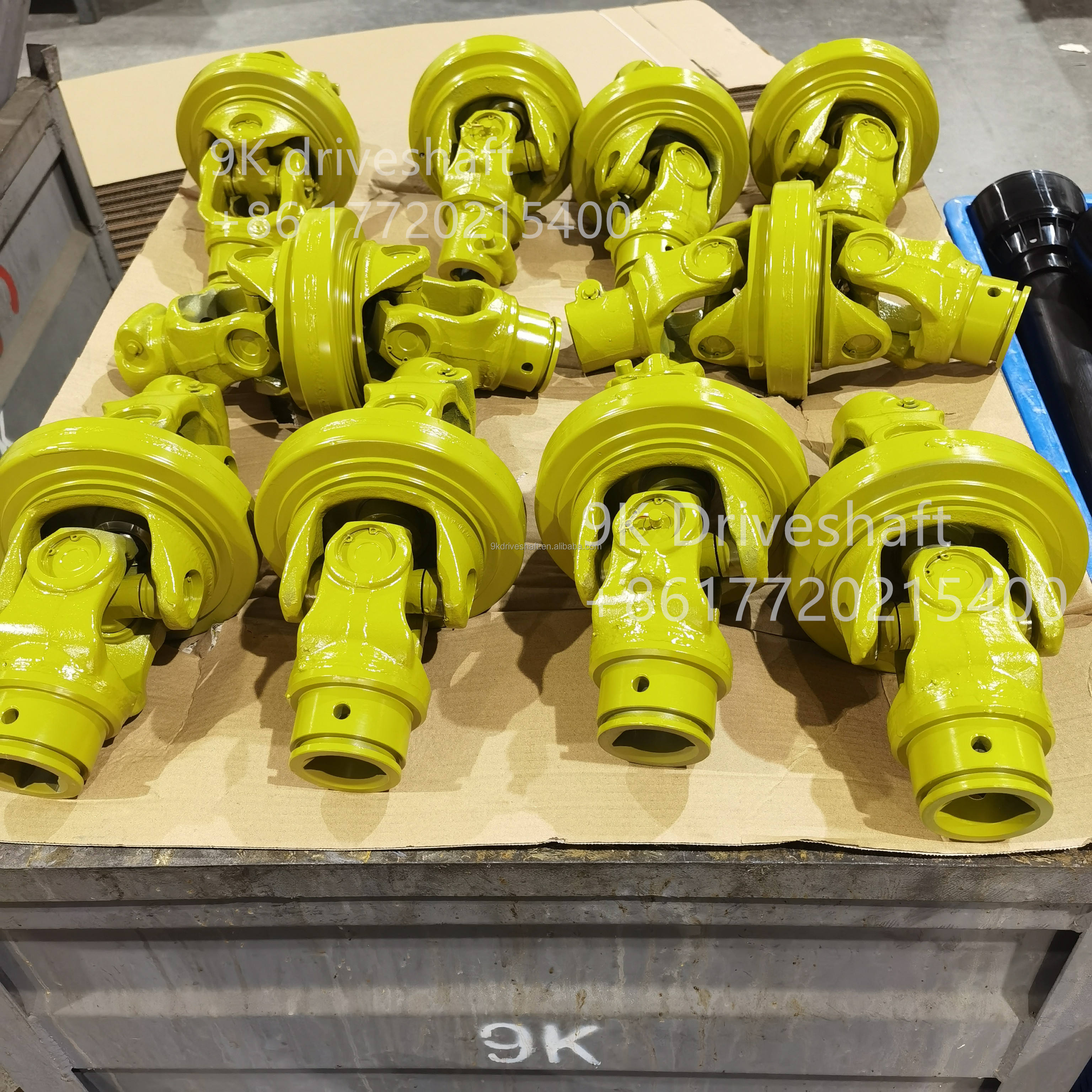
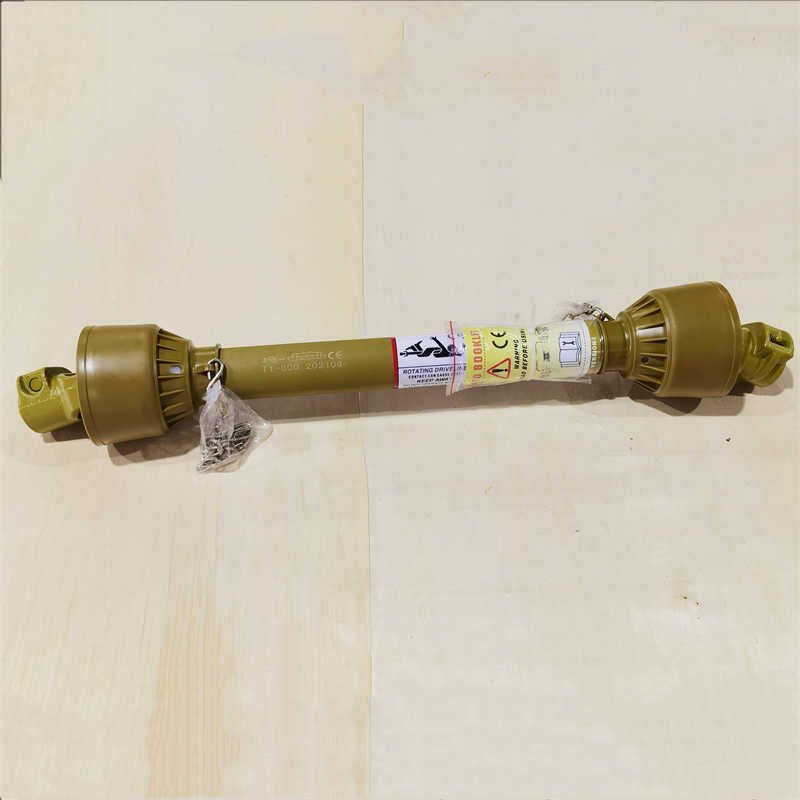
Imagine a mining conveyor system where the motor and the driven drum are not perfectly aligned due to structural shifts or installation tolerances. A rigid connection would cause immense stress, leading to premature bearing failure and costly downtime. This is a classic scenario where a Cardan shaft, incorporating universal joints, becomes essential. The universal joint is the core articulating element that allows angular misalignment between two shafts. A Cardan shaft (or propeller shaft) is the complete assembly, typically consisting of one or two universal joints, a telescoping sleeve, and yokes, designed to transmit torque over a distance while accommodating misalignment and varying distances.
For such demanding applications, selecting a robust Cardan shaft is critical. Raydafon Technology Group Co.,Limited specializes in heavy-duty driveline solutions that address these exact pain points. Our Cardan shafts are engineered for high torque capacity and durability under misaligned conditions. A key component within our shafts is the precision universal joint, designed for smooth power transfer and long service life. What is the difference between a Cardan shaft and a universal joint? Think of the universal joint as the critical "joint" that enables flexibility, while the Cardan shaft is the complete "arm" delivering power reliably.
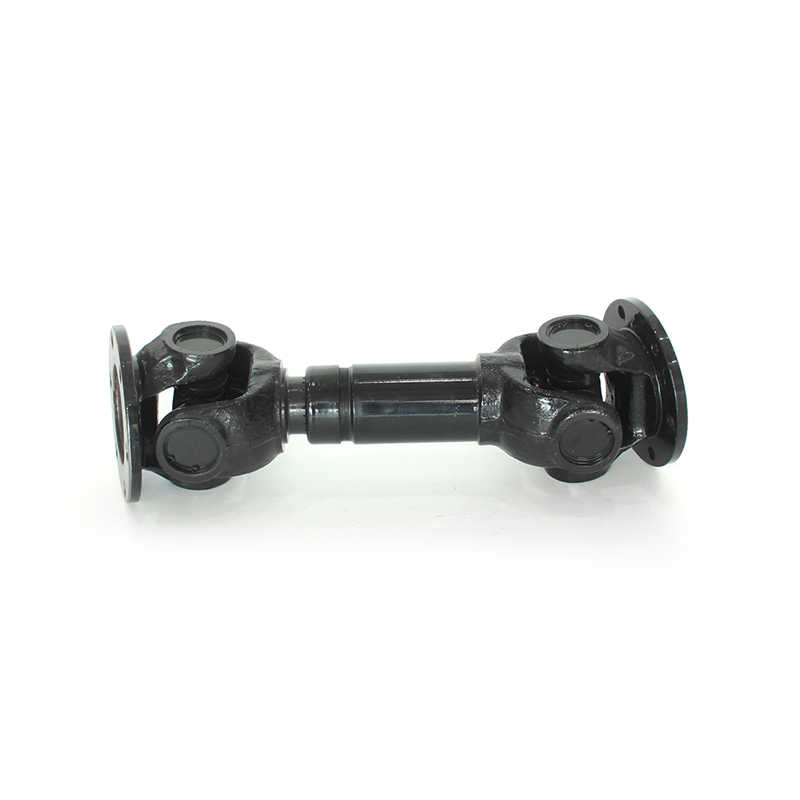
Here are key parameters to consider when specifying a Cardan shaft for high-torque applications:
| Parameter | Consideration | Raydafon Solution Focus |
|---|---|---|
| Rated Torque | Must exceed operational peak torque with a safety factor. | Custom-calculation based on application dynamics. |
| Maximum Operating Angle | Dictates the permissible misalignment per joint. | Optimized joint geometry for wider angles without vibration. |
| Service Factor | Accounts for shock loads and duty cycles. | Robust bearing and cross design for harsh environments. |
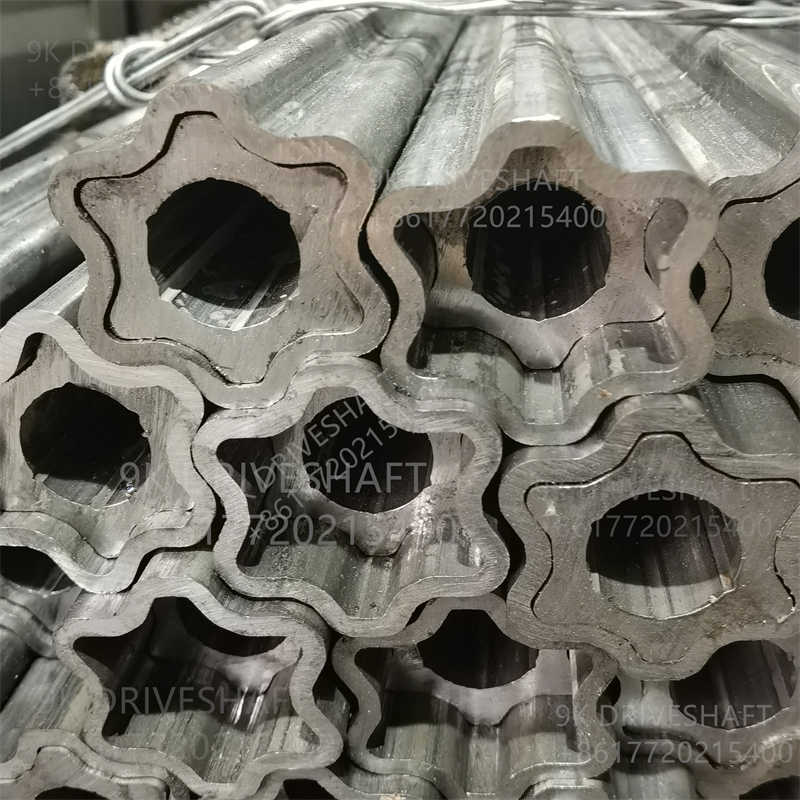
| Telescopic Length | Compensates for axial movement or installation variance. | Precision splines with advanced lubrication systems. |
In applications like high-speed packaging machinery or precision test stands, even minor vibrations from power transmission components can ruin product quality or accuracy. A standard universal joint alone can introduce velocity fluctuation and secondary vibrations at certain angles. The complete Cardan shaft system, especially a double joint assembly with properly phased yokes, is designed to cancel out these inherent vibrations, providing smoother rotational output. The difference between a Cardan shaft and a universal joint is functionally critical here: the shaft assembly provides the balanced, complete solution, while a universal joint is a component with specific dynamic characteristics.
Procurement professionals need components that guarantee operational smoothness. Raydafon Technology Group Co.,Limited addresses this by manufacturing balanced Cardan shaft assemblies. Our process includes dynamic balancing of the entire shaft to minimize residual vibrations, ensuring they meet the strict tolerances required for sensitive machinery. We understand that the integration and quality of each universal joint within the shaft directly impacts performance.
Key specifications for high-speed, precision Cardan shafts include:
| Parameter | Consideration | Raydafon Solution Focus |
|---|---|---|
| Maximum RPM | Balancing grade must be suitable for operational speed. | High-precision balancing to ISO G standards. |
| Phasing of Joints | Critical for vibration cancellation in double joints. | Precision alignment during assembly. |
| Backlash | Minimal play is essential for positional accuracy. | Tight-tolerance machining of cross and bearings. |
| Material & Finish | Affects balance, strength, and corrosion resistance. | High-grade alloys with appropriate surface treatments. |
To solidify your understanding, here is a clear breakdown of the primary distinctions. This knowledge empowers you to communicate effectively with engineers and suppliers.
| Aspect | Universal Joint (U-Joint) | Cardan Shaft (Drive Shaft) |
|---|---|---|
| Definition | A mechanical coupling that connects rotating shafts at an angle. | A complete assembly for transmitting torque and rotation over a distance. |
| Composition | A single component (yokes, cross, bearings). | An assembly including U-joints, a center tube/shaft, yokes, and often a telescopic spline. |
| Primary Function | To accommodate angular misalignment between two shafts. | To transmit power between non-collinear components while allowing for angular/axial misalignment. |
| Typical Use | As a component within a larger system (like a Cardan shaft), or in simple linkage applications. | As a standalone, ready-to-install power transmission module in vehicles, industrial machinery, and marine applications. |
| Procurement Mindset | You buy it as a part or a repair kit. | You specify it as a complete engineered subsystem based on torque, speed, and geometry. |
Q: Can I use a universal joint by itself as a drive shaft?
A: While technically possible for very short distances and low-power applications, it is not recommended. A single universal joint does not compensate for changes in distance (axial movement) and introduces speed fluctuation. A complete Cardan shaft with a telescoping section and properly configured joints is designed for reliable power transmission.
Q: How do I know if I need a single or double Cardan joint shaft?
A: The choice depends on the application's angle and smoothness requirements. A single joint shaft is simpler and used for smaller, constant angles. A double joint shaft (with two U-joints) is necessary for larger angles or when the input and output shafts need to remain in-phase, as it cancels out the velocity variation inherent in a single joint. Consulting with an expert like Raydafon Technology Group Co.,Limited ensures you get the right configuration.
We hope this guide has clarified the practical differences between Cardan shafts and universal joints for your procurement needs. Selecting the correct component is vital for system performance and longevity.
For reliable, high-performance driveline solutions, consider Raydafon Technology Group Co.,Limited. As a specialized manufacturer, we provide custom-engineered Cardan shafts and universal joints that solve real-world power transmission challenges, from heavy industry to precision automation. Visit our website at https://www.raydafon-driveshaft.com to explore our product range or contact our engineering sales team directly at [email protected] for a quote or technical consultation.
Maciag, L., 2019, Analysis of Cardan Shaft Dynamics in Rail Vehicles, Journal of Mechanical Engineering, Vol. 65(3).
Zhang, Y. & Patel, R., 2020, Optimization of Universal Joint Geometry for Minimizing Velocity Fluctuation, Mechanism and Machine Theory, Vol. 152.
Kumar, S., et al., 2018, Failure Analysis of Heavy-Duty Cardan Shafts in Mining Equipment, Engineering Failure Analysis, Vol. 92.
Fernandez, J. L., 2021, A Review of Driveshaft Balancing Techniques and Standards, International Journal of Automotive Technology, Vol. 22(1).
Ohta, H. & Abe, K., 2017, Vibration Characteristics of Double Joint Cardan Shafts with Manufacturing Tolerances, Journal of Sound and Vibration, Vol. 399.
Chen, W., 2022, Material Selection for High-Torque Universal Joint Crosses Under Fatigue Loading, Materials & Design, Vol. 213.
Ivanov, I., 2019, Lubrication Systems for Extended Service Life of Propeller Shaft Slip Joints, Tribology International, Vol. 138.
Lee, M. & Kim, J., 2020, CFD Analysis of Heat Dissipation in High-Speed Cardan Shaft Bearings, Applied Thermal Engineering, Vol. 178.
Peterson, A., et al., 2018, Comparative Study of Single and Double Hooke's Joint Assemblies in Off-Highway Vehicles, SAE Technical Paper, No. 2018-01-0412.
Rodriguez, G., 2021, Smart Monitoring of Cardan Shaft Health Using Vibration Sensors, IEEE Transactions on Industrial Electronics, Vol. 68(5).