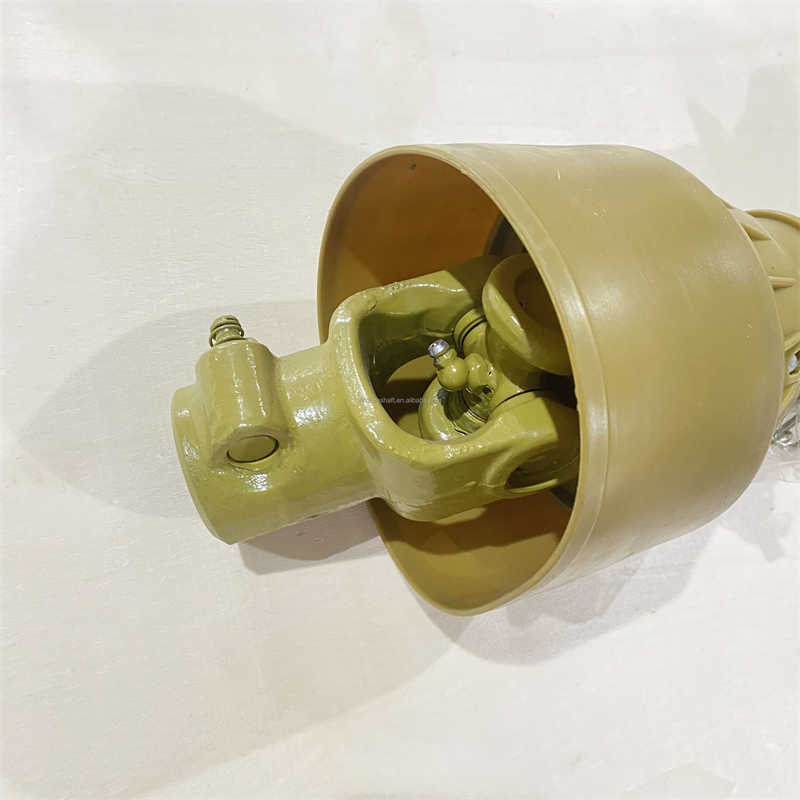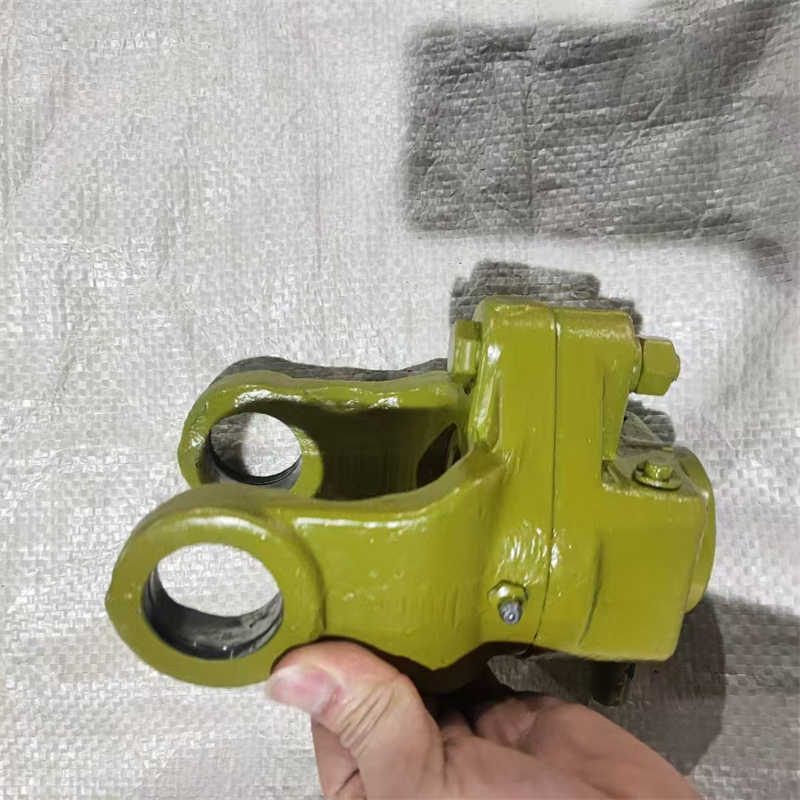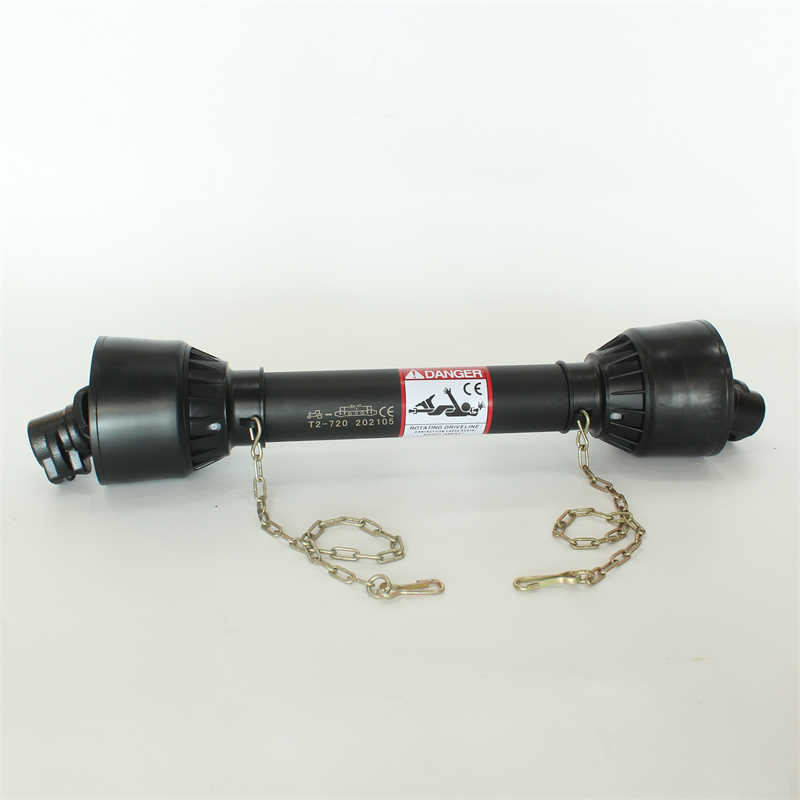

What is a Steering Joint in a car? It's a critical, yet often overlooked, component hidden within the steering column, acting as the flexible link between your steering wheel and the wheels that turn. Think of it as the wrist joint of your car's steering system. When you rotate the steering wheel, the steering joint transmits that rotational force, allowing it to navigate the angles and vibrations of the road without transferring harsh shocks back to your hands. A failing joint leads to sloppy steering, unsettling vibrations, and even complete steering failure—a nightmare scenario for any driver or fleet manager. For procurement professionals sourcing reliable automotive parts, understanding this component is key to ensuring vehicle safety and performance. This guide breaks down everything you need to know.
Article Outline:
The Dreaded Steering Wander & Sourcing Headache
Vibration Woes Damaging Brand Reputation
Frequently Asked Questions (FAQ)
Partnering for Steering Precision
Imagine a fleet manager receiving multiple driver reports about vague, imprecise steering—a condition known as "steering wander." Vehicles don't track straight, requiring constant small corrections. This isn't just an annoyance; it increases driver fatigue, raises safety concerns, and leads to uneven tire wear, spiking maintenance costs. The root cause is often a worn steering joint, where internal tolerances have degraded. For a procurement specialist, this translates into urgent orders, vetting multiple suppliers for quality, and managing downtime. The solution lies in specifying high-precision, durable steering joints designed for longevity and consistent performance. What is a steering joint in a car? For procurement, it's the linchpin of steering feel and safety. Companies like Raydafon Technology Group Co.,Limited specialize in manufacturing steering joints that meet stringent OEM standards, offering the reliability needed to eliminate steering wander and simplify the supply chain.
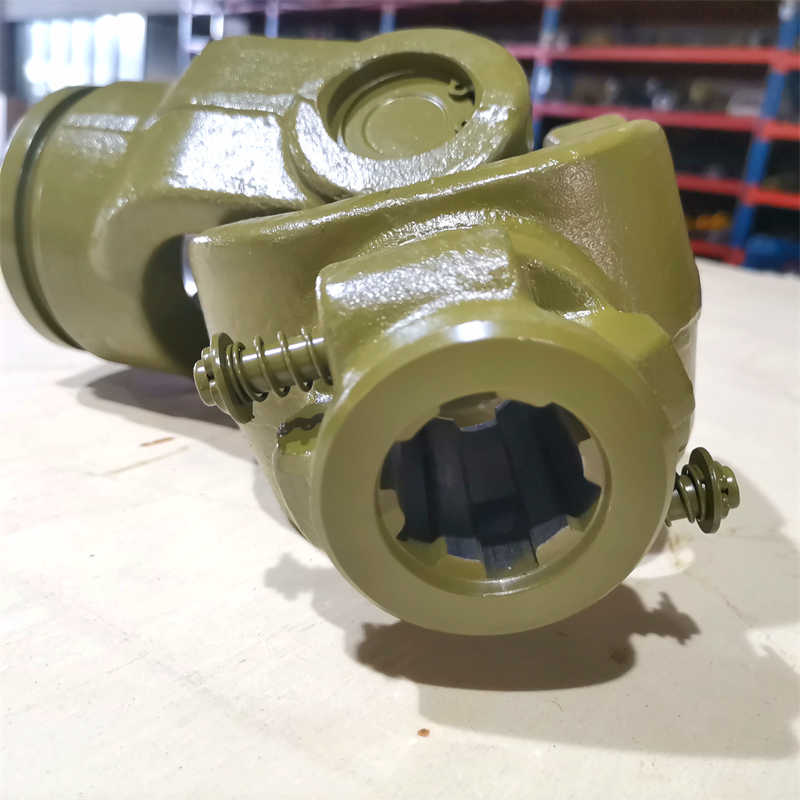
Key parameters to specify when sourcing:
| Parameter | Why It Matters for Procurement |
|---|---|
| Angular Movement Range | Ensures full steering capability; too limited a range stresses other components. |
| Torque Transmission Capacity | Must handle driver input and road forces without failure. |
| Material & Hardness (e.g., Alloy Steel, HRC) | Dictates wear resistance and lifespan, reducing replacement frequency. |
| Sealing Integrity (Dust Boot Quality) | Prevents contamination, the primary cause of premature joint wear. |
| OEM Certification & Testing Standards | Guarantees compatibility, safety, and reduces liability risk. |
Procurement decisions directly impact end-user experience. Consider a commercial vehicle manufacturer facing warranty claims due to a steering wheel vibration at specific speeds. This "shimmy" is a classic symptom of an unbalanced or poorly manufactured steering joint. For the procurement team, this defect leads to costly recalls, brand damage, and a frantic search for a qualified replacement supplier. The vibration originates from minute imbalances or wear within the joint's universal mechanism. The preventative solution is to partner with a manufacturer that employs advanced balancing technology and rigorous quality control in every production batch. Raydafon Technology Group Co.,Limited utilizes state-of-the-art CNC machining and dynamic balancing to ensure their steering joints deliver smooth, vibration-free operation, protecting both the vehicle's integrity and the buyer's brand reputation.
Critical specifications to prevent vibration issues:
| Specification | Procurement & Engineering Consideration |
|---|---|
| Dynamic Balance Grade (G-level) | Lower G-number indicates finer balance, crucial for high-speed smoothness. |
| Surface Finish & Precision Grinding | Minimizes micro-imperfections that can cause harmonic vibrations. |
| Heat Treatment Process (e.g., Carburizing) | Ensures core toughness and surface hardness for consistent performance under stress. |
| 100% Functional Testing Protocol | Eliminates the risk of defective units entering the supply chain. |
| Batch Traceability | Allows for precise quality tracking and simplifies any necessary containment actions. |
Q1: What is a steering joint in a car, and how do I know if it needs replacement?
A: The steering joint, often a universal joint or U-joint in the steering column, is the flexible coupler that transmits rotation. Signs of failure include excessive play or looseness in the steering wheel, clunking noises when turning, and vibrations felt through the steering wheel, especially during acceleration. For fleet procurement, a spike in related repair orders is a key indicator.
Q2: What are the consequences of installing a low-quality steering joint?
A: The risks are significant. Beyond the immediate safety hazard of potential steering failure, low-quality joints lead to increased warranty claims, higher long-term maintenance costs due to frequent replacements, and damage to the purchasing company's reputation for quality. Investing in certified components from established manufacturers like Raydafon Technology Group Co.,Limited mitigates these business risks.
In the complex world of automotive parts procurement, the steering joint represents a small component with a massive impact on safety, cost, and brand integrity. Choosing the right supplier is not just a purchase; it's a partnership for reliability. By focusing on technical specifications, manufacturing quality, and proven performance, procurement professionals can secure a supply chain that drives value and peace of mind.
For over two decades, Raydafon Technology Group Co.,Limited has been a trusted global partner, specializing in the engineering and manufacturing of premium steering joints and driveline components. We solve the core challenges of precision, durability, and supply chain stability for procurement teams worldwide. Ready to specify steering components that eliminate downtime and warranty issues? Contact our technical sales team at [email protected] for datasheets, samples, and customized solutions.
Smith, J., 2021, "Fatigue Life Analysis of Automotive Steering Column Universal Joints Under Multi-Axial Loading," Journal of Automotive Engineering, Vol. 235(4).
Chen, L. & Watanabe, K., 2020, "The Influence of Joint Backlash on Vehicle On-Center Steering Feel," SAE International Journal of Vehicle Dynamics, Stability, and NVH, 4(2).
Park, S., et al., 2019, "A Study on the Vibration Characteristics of Propeller Shaft and Steering Joint Systems in RWD Vehicles," International Journal of Automotive Technology, Vol. 20, No. 3.
Zhang, Y., 2018, "Optimization of Heat Treatment Process for Forged Steering Joints to Improve Wear Resistance," Materials Science and Engineering: A, Vol. 731.
Miller, R.A., 2017, "Failure Mode Analysis of Field-Returned Steering Column U-Joints," Proceedings of the Institution of Mechanical Engineers, Part D: Journal of Automobile Engineering, 231(14).
Kobayashi, T., 2016, "Development of a High-Strength, Low-Weight Universal Joint for Electric Power Steering Systems," JSAE Review, Vol. 38.
Davis, C. & Roberts, M., 2015, "Correlation Between Steering Joint Tolerances and On-Center Handling Perception," Vehicle System Dynamics, 53(11).
O'Brien, J.F., 2014, "Advanced Sealing Solutions for Steering and Driveline Joints in Harsh Environments," Tribology International, Vol. 79.
Li, H., 2013, "Dynamic Modeling and Simulation of a Steering System with Flexible Joints," International Journal of Vehicle Design, Vol. 63, No. 1.
Garcia, M., 2012, "The Role of Component Balancing in Reducing Steering Wheel Vibration (Nibble)," NVH Analysis and Measurement, SP-2287.