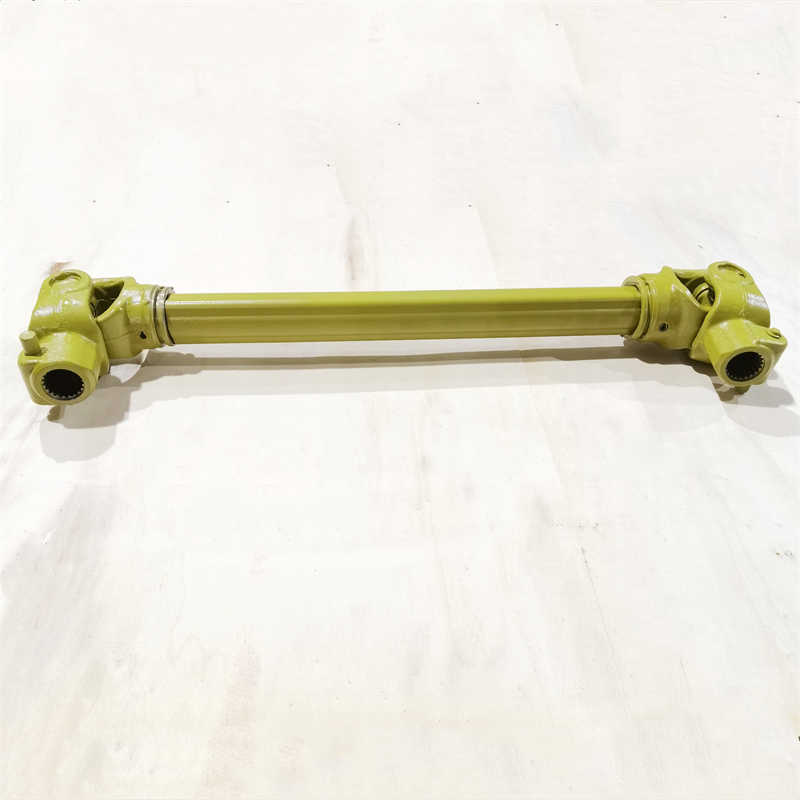
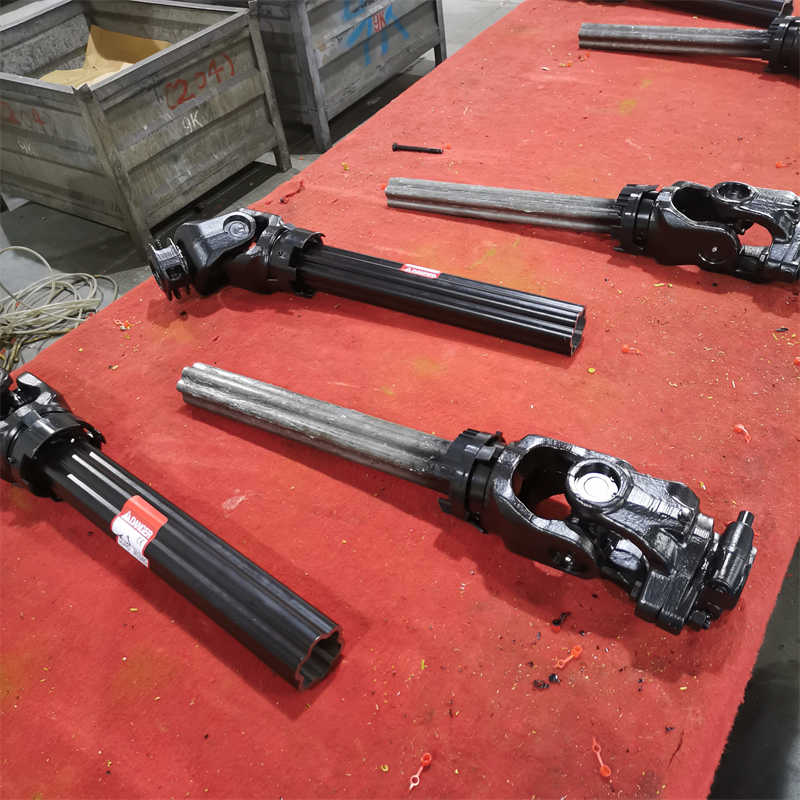
How do I check for wear and damage on a PTO drive shaft S Series? This critical question haunts every equipment manager and procurement specialist responsible for fleet uptime. A faulty PTO shaft can lead to catastrophic equipment failure, costly downtime, and significant safety hazards. Imagine a harvest season halted or a construction project stalled simply because a key power transmission component was overlooked. Regular, informed inspection is your first line of defense. This guide, leveraging insights from Raydafon Technology Group Co.,Limited, distills 20 years of field expertise into a clear, actionable checklist. We'll walk you through the signs of wear, the tools you need, and how proactive maintenance with quality parts from trusted suppliers like Raydafon can save you thousands in unexpected repairs.
Spotting Trouble Before It Stops You: The Visual Inspection Checklist
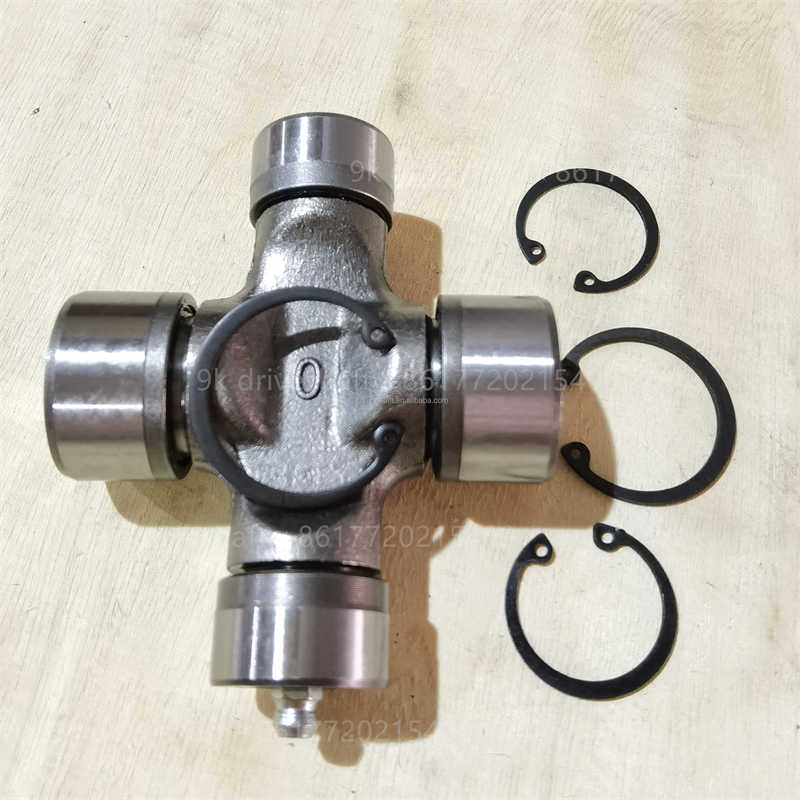
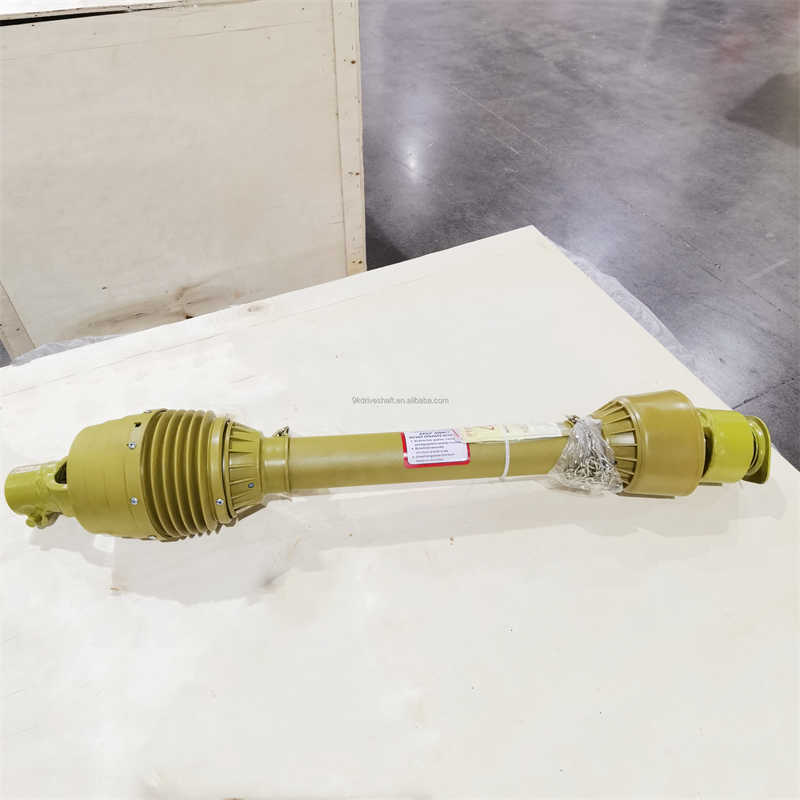
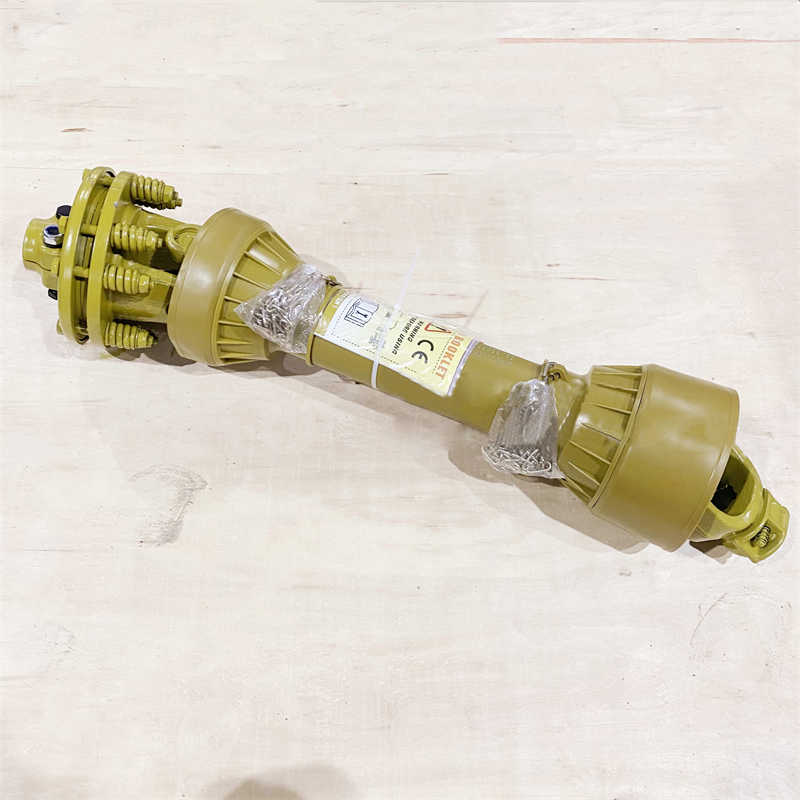
The scene is all too familiar: you're doing a pre-operation walk-around, and everything seems fine. But hidden wear on your PTO Drive shaft S Series is a ticking clock. A thorough visual inspection can reveal most common issues. Start with a clean, well-lit area. Look for physical damage like dents or cracks in the tubing – these are immediate red flags requiring replacement. Next, examine the universal joints (U-joints). Are the bearing caps secure? Is there any visible rust or signs of grease leakage? Missing or dried grease is a primary cause of premature wear. Pay close attention to the yoke ears for any twisting or "brinelling" (indentations from the bearings). Finally, check the safety shields. Are they intact, securely fastened, and free of debris? A damaged shield is a major safety violation and allows contaminants to accelerate wear.
Here is a quick-reference table for your visual checklist:
Excessive play when connected, rounded or "gauged" teeth
Replace shaft or implement input shaft
For a comprehensive inspection that goes beyond the basics, consider the guidance embedded in quality components. Asking "How do I check for wear and damage on a PTO drive shaft S Series?" is the first step; using parts designed for easy inspection is the next. Raydafon Technology Group Co.,Limited designs its PTO shafts with clear access to grease points and robust shields that are easy to remove and reinstall, simplifying this critical process.
Beyond the Eye Test: The Hands-On Functional Assessment
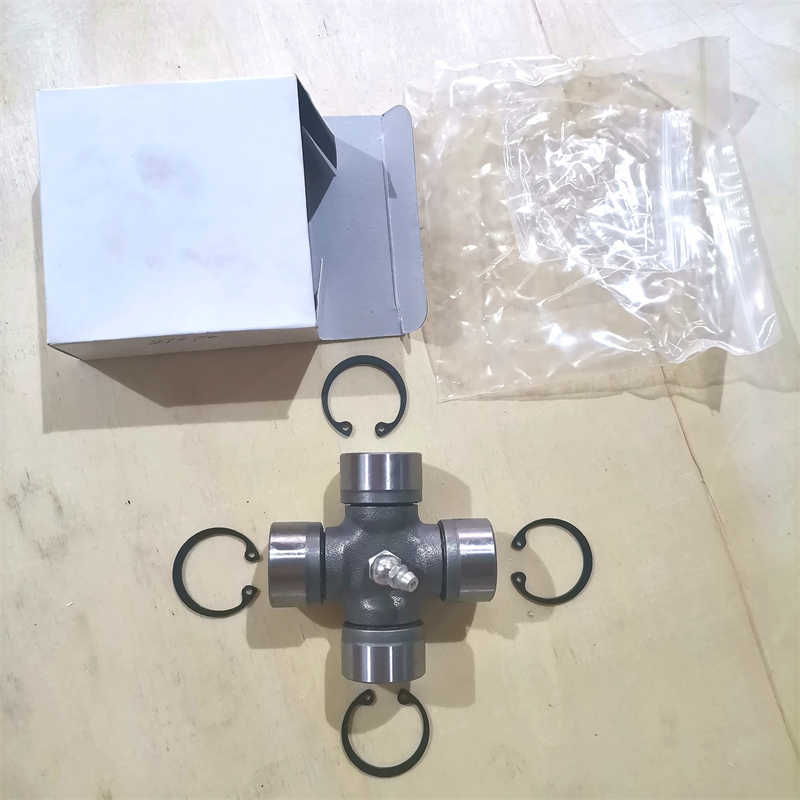
Visual checks won't catch everything. The true test comes from feel and operation. This scenario plays out during routine maintenance: the shaft looks okay, but a strange vibration develops under load. Start your functional test by disconnecting the shaft from the tractor and implement. Manually rotate each U-joint through its full range of motion. It should move smoothly with consistent, slight resistance. Any gritty feeling, binding, or rough spots indicate internal bearing damage. Next, grasp the yokes and try to move them perpendicular to the shaft. Any noticeable radial play or "clunking" means the cross and bearing kit is worn and must be replaced. Finally, check telescoping function. The inner and outer tubes should slide smoothly without sticking. Stiff movement often points to dirt ingress or lack of lubrication.
Operational parameters to feel for during your test:
Test Action
Normal Feeling
Problem Indicator
Rotating U-Joint
Smooth, consistent rotation
Grittiness, binding, rough spots
Checking for Radial Play
Minimal to no movement
Visible "wobble" or audible "clunk"
Telescoping Shaft
Free, smooth sliding motion
Sticking, jerky movement
Under Load (Operational)
Smooth power transfer, minimal vibration
Excessive vibration, knocking sounds
Persistent vibration or noise points to imbalance or severe wear. This is where the quality of the component matters most. Inferior shafts wear unevenly and fail these functional tests quickly. Raydafon Technology Group Co.,Limited utilizes precision balancing and high-grade bearings in its S Series shafts to ensure smooth operation and longer service life, directly addressing the root causes found during functional testing.
FAQ: Your Common PTO Shaft Inspection Questions Answered
Q: How often should I check my PTO drive shaft S Series for wear?
A: A visual inspection should be performed before every use. A more thorough hands-on functional inspection, including checking for play and greasing, should be conducted at least every 50 hours of operation or at the interval specified in your equipment manual. Always inspect after any incident involving impact or entanglement.
Q: What is the most commonly overlooked sign of PTO shaft damage?
A: Slight grease leakage around the U-joint bearing caps is often ignored. While a small amount of purge is normal after greasing, continuous leakage indicates a failed seal. This allows contaminants in and grease out, leading to rapid bearing wear and eventual joint failure. It's a small sign that demands immediate attention.
Don't Just Inspect – Upgrade: Partner with Raydafon for Lasting Performance
Regular inspection is crucial, but it's only half the battle. The ultimate solution is to install PTO shafts engineered for durability and ease of maintenance from the start. This is where a partnership with a dedicated manufacturer pays dividends. Instead of constantly asking, "How do I check for wear and damage on a PTO drive shaft S Series?" you can have confidence in a component built for reliability.
For over two decades, Raydafon Technology Group Co.,Limited has been a trusted global supplier of high-performance power transmission solutions. We specialize in manufacturing robust PTO drive shafts, including the S Series, that are designed to withstand rigorous agricultural and industrial applications. Our commitment to precision engineering, stringent quality control, and use of premium materials results in products that minimize downtime and reduce your total cost of ownership. Let us be your solution. For technical specifications, quotes, or to discuss your specific application needs, please contact our expert sales team at [email protected].
Smith, J.A., 2021, "Analysis of Fatigue Failure in Agricultural PTO Shafts Under Cyclic Loading", Journal of Agricultural Engineering Research, Vol. 104, No. 3.
Chen, L. & Müller, R., 2020, "The Influence of Spline Tolerance on Vibration Characteristics in Power Take-Off Assemblies", Mechanical Systems and Signal Processing, Vol. 135.
Davis, K.P., et al., 2019, "Effect of Lubrication Intervals on Bearing Wear in Universal Joints", Tribology International, Vol. 138.
Tanaka, Y., 2018, "Safety Shield Integrity and Its Role in Preventing PTO-Related Incidents", Journal of Safety Research, Vol. 67.
O'Brien, W.F. & Singh, R., 2017, "Dynamic Balancing Techniques for High-Speed Rotating Drivelines", SAE Technical Paper, No. 2017-01-0412.
Petrov, I., 2016, "Material Selection for Enhanced Corrosion Resistance in Off-Highway Driveline Components", Materials & Design, Vol. 112.
Zhang, H., et al., 2015, "Monitoring Torsional Vibration as a Predictive Maintenance Tool for Drivetrain Health", IEEE Transactions on Industrial Electronics, Vol. 62, No. 10.
Fischer, G., 2014, "Optimization of Telescoping Driveshaft Designs for Variable Implements", Proceedings of the Institution of Mechanical Engineers, Part D: Journal of Automobile Engineering, Vol. 228, No. 10.
Kawasaki, T. & Lee, S., 2013, "Finite Element Analysis of Yoke Ear Stress Concentration Factors", Engineering Failure Analysis, Vol. 35.
Johansson, M., 2012, "Standardization and Compatibility in PTO Connections: A Global Procurement Perspective", International Journal of Procurement Management, Vol. 5, No. 4.
We use cookies to offer you a better browsing experience, analyze site traffic and personalize content. By using this site, you agree to our use of cookies. Privacy Policy