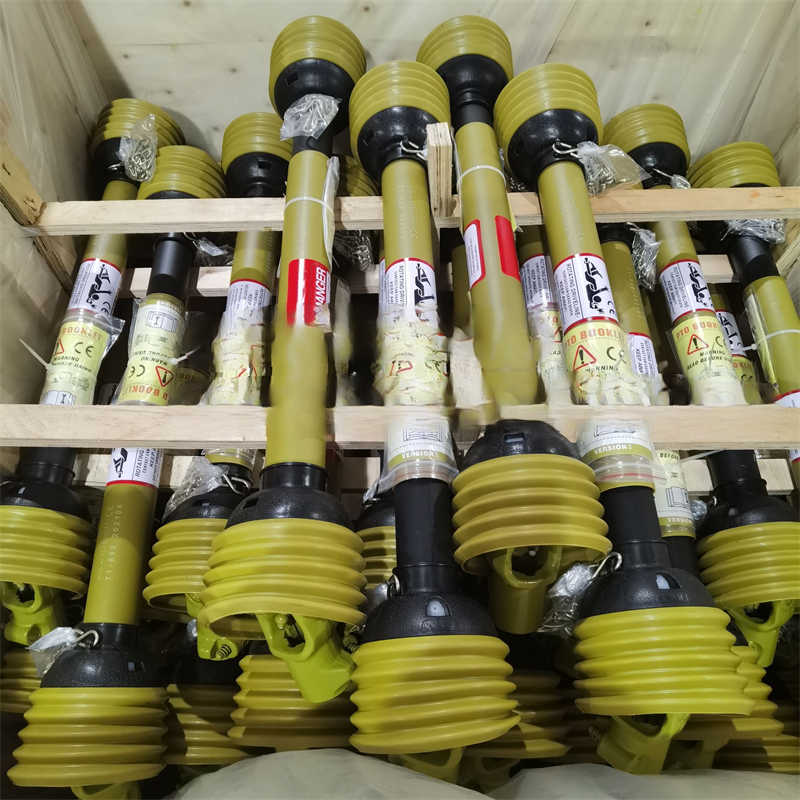

How Is a WA Wide Angle Joint Installed? For a procurement team comparing driveline components, this question usually arrives at the worst possible moment: a machine is down, a replacement shaft is on the bench, and the angle between the tractor PTO and the implement input is tighter than the drawing suggested. A WA wide angle joint solves the geometry, but only when the installation sequence protects the yokes, centering parts, splines, and fasteners. Raydafon Technology Group Co.,Limited works with buyers, maintenance managers, and OEM engineers who need a clear, repeatable answer—not a generic universal-joint instruction sheet. The practical method is to confirm the joint model and load direction, inspect the WA wide angle joint and mating flanges, align the shaft without forcing the yokes, tighten fasteners in the specified pattern, grease every lubrication point, and rotate the assembly by hand before power is applied. A small error in angularity, fastener torque, or spline engagement can create vibration, heat, and premature wear. This guide explains How Is a WA Wide Angle Joint Installed? in field-ready language, with parameter tables and checkpoints that support purchasing decisions, incoming inspection, and safe commissioning.
WA Wide Angle Joint Basics: What Buyers Must Confirm
Pain scenario: A buyer receives a quote for a WA wide angle joint, but the machine still vibrates after the first trial run because the replacement part does not match the original yoke series, spline count, or allowable working angle. In procurement, a low unit price can become a costly downtime event when the joint cannot be installed cleanly.
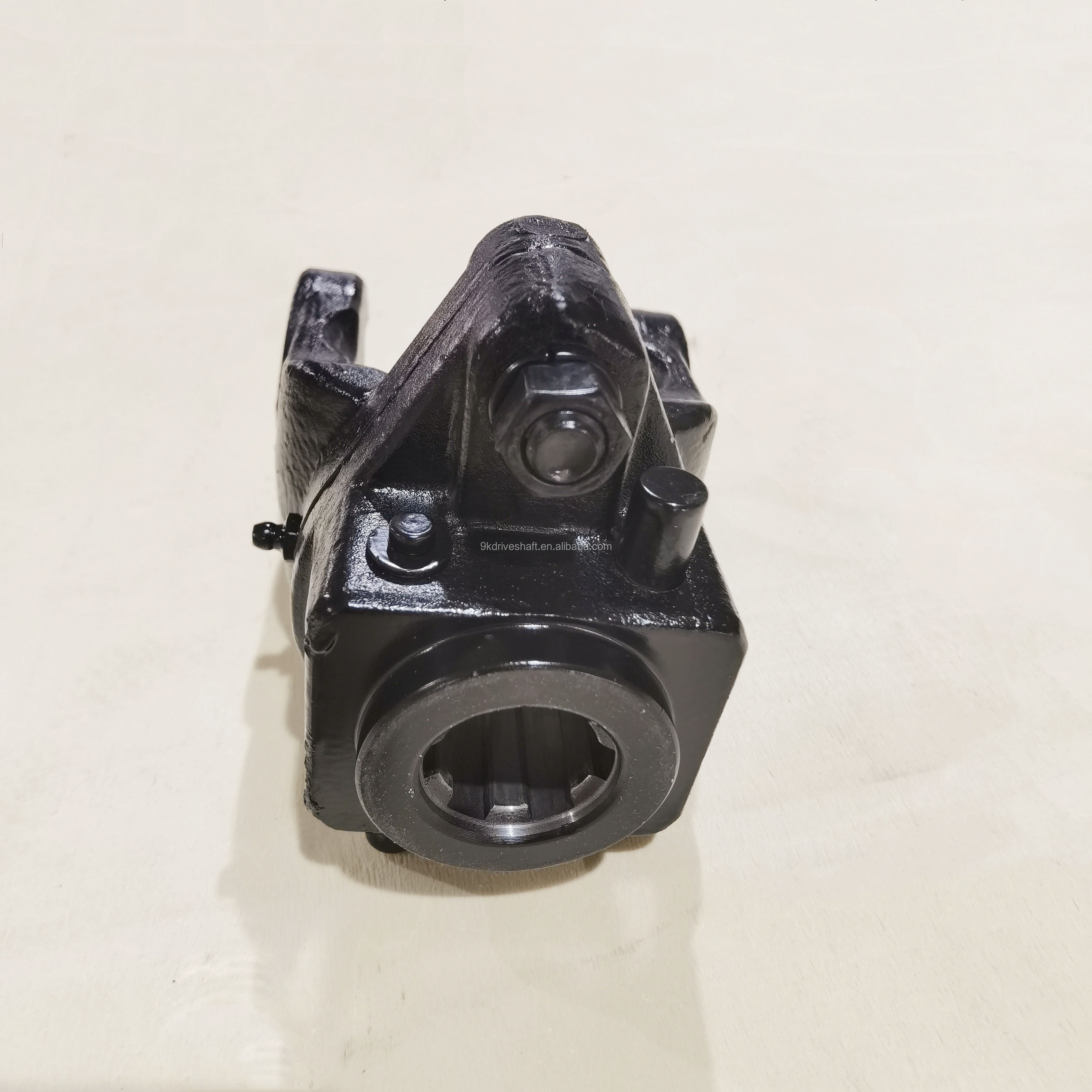
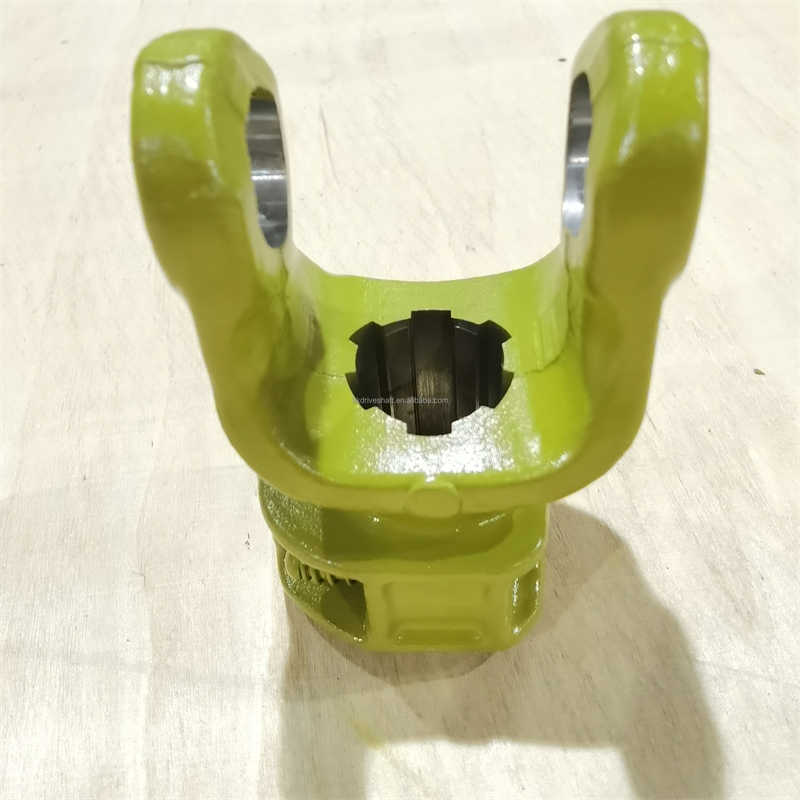
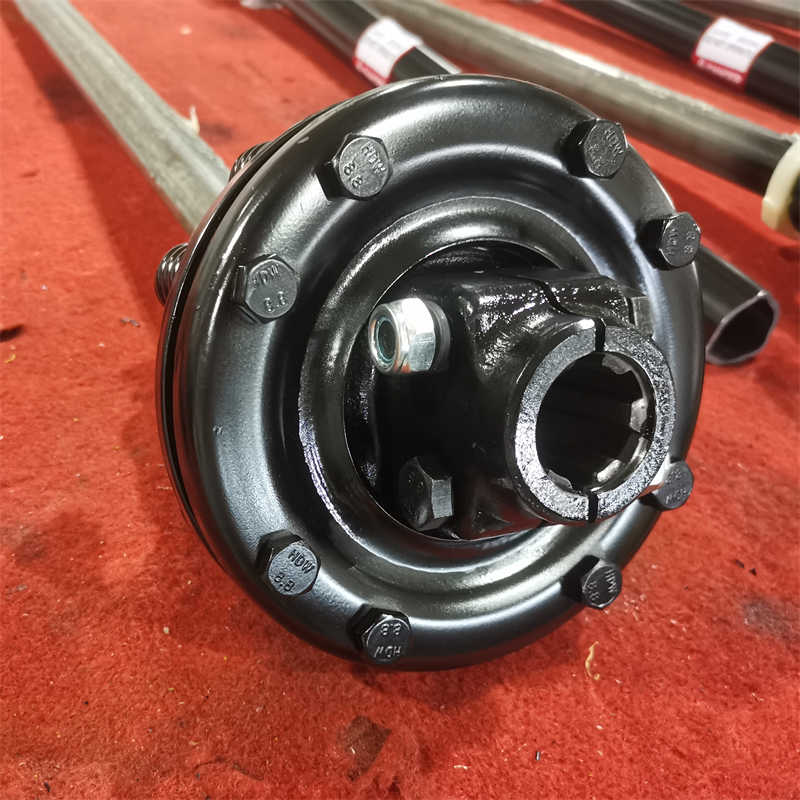
Solution: Confirm the driveline layout before ordering. Check the PTO spline, flange bolt pattern, joint size, centering mechanism, and maximum intermittent angle. Raydafon Technology Group Co.,Limited supports buyers by matching the WA wide angle joint to the shaft, implement, and operating envelope, so the installation starts with the right part rather than a trial-and-error fit.
| Parameter | Buyer check | Why it matters |
|---|---|---|
| Joint type | WA wide angle joint, not a standard cardan joint | High-angle operation needs the correct centering and yoke design. |
| Spline fit | Count, diameter, and fit type | Prevents wobble, fretting, and incomplete engagement. |
| Working angle | Compare actual machine geometry with rated angle | Excess angle raises heat, vibration, and fatigue risk. |
| Flange pattern | Bolt holes, pilot diameter, and face condition | Ensures the joint seats flat and transmits torque evenly. |
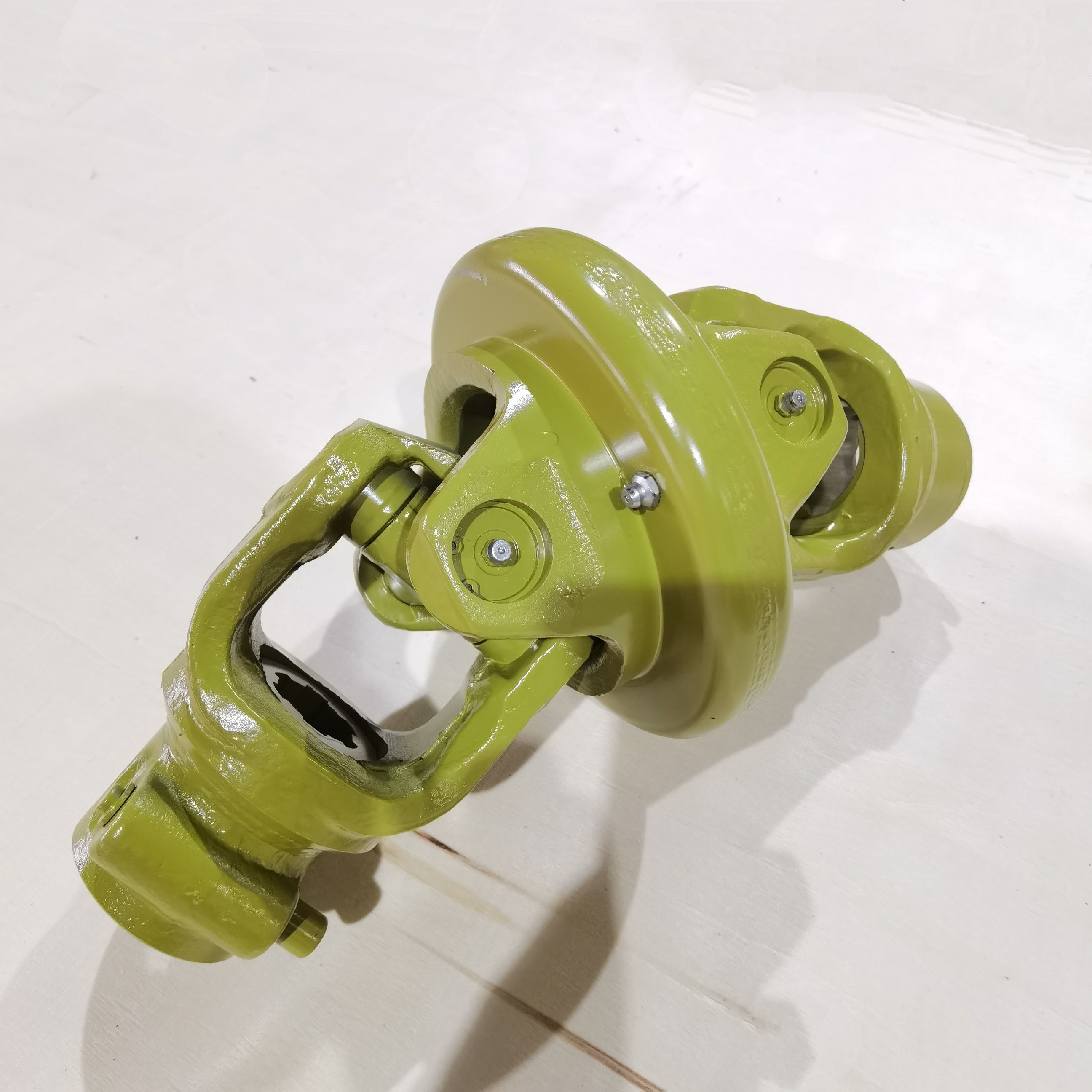
Incoming Inspection: Catch Fit and Damage Before Installation
Pain scenario: A maintenance team opens a shipment and finds a yoke with a damaged seal, a missing grease fitting, or painted mating faces. If installation begins before the issue is recorded, the supplier and the workshop may dispute responsibility, and the machine stays idle longer.
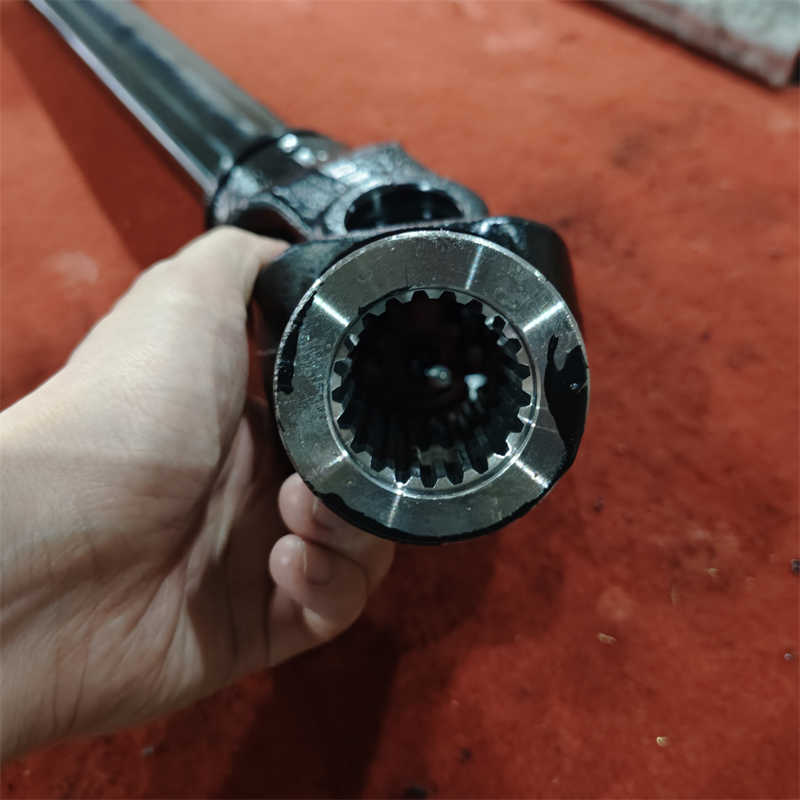
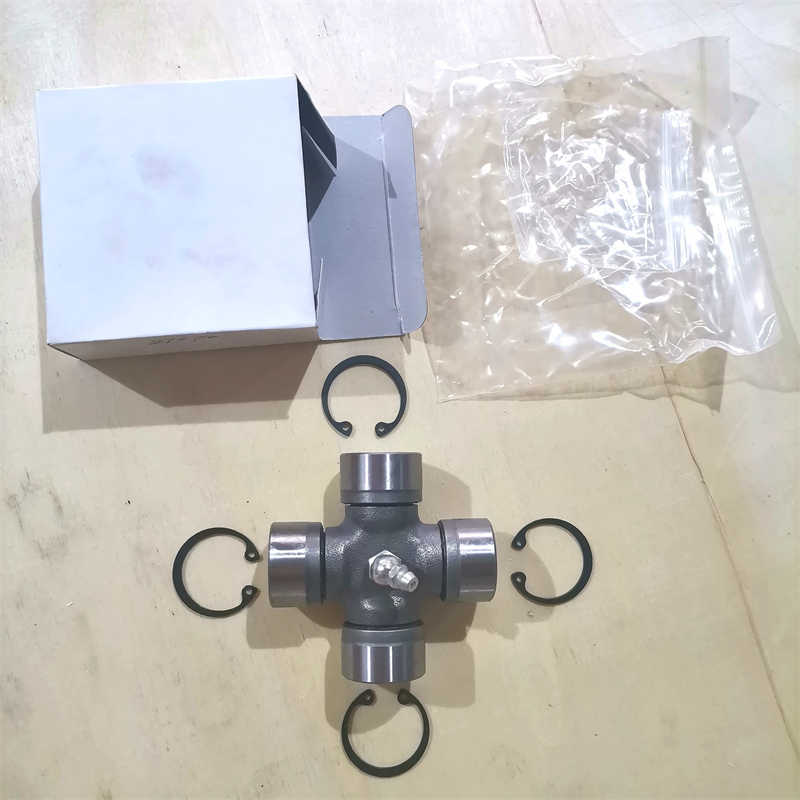
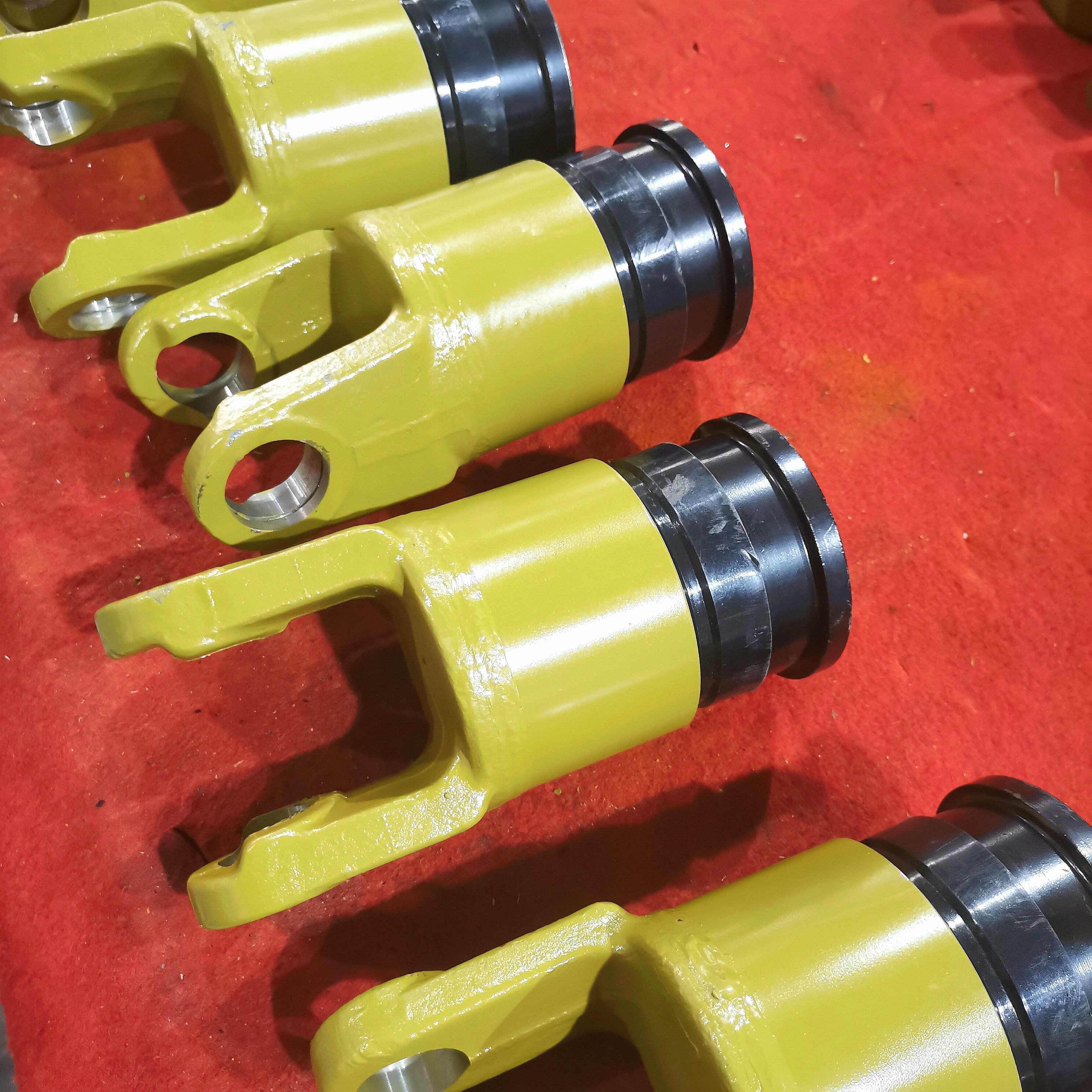
Solution: Inspect the WA wide angle joint on arrival. Protect the splines, verify the centering kit, check the grease passages, and clean protective coating from mating faces without removing structural material. Raydafon Technology Group Co.,Limited helps procurement teams define an incoming inspection checklist so every shipment can be accepted, installed, and documented with confidence.
| Inspection point | Acceptance criterion | Action if failed |
|---|---|---|
| Yoke and flange faces | Flat, clean, free of burrs | Record photos; do not force assembly. |
| Spline condition | No rust pits, twisted teeth, or heavy wear | Replace or request correct fit. |
| Grease fittings | Present, clear, and threaded correctly | Confirm before commissioning. |
| Seals and caps | Seated and undamaged | Prevent contamination during installation. |
Shaft Alignment and Angularity: Stop Vibration at the Source
Pain scenario: The joint is installed, but the shaft vibrates at working speed. The cause is often a hasty alignment: the yokes are out of phase, the joint is forced beyond its intended angle, or the shaft length bottoms out on the spline during lift.
Solution: Set the machine in a safe position, check yoke phasing, confirm spline engagement, and measure the operating angle through the full range of motion. A WA wide angle joint is designed for demanding angles, but it still needs correct alignment and clearance. Raydafon Technology Group Co.,Limited can review drawings and application details to recommend the right shaft length and joint configuration.
| Alignment item | Target condition | Installation note |
|---|---|---|
| Yoke phasing | Matched according to shaft design | Incorrect phasing creates cyclic vibration. |
| Spline engagement | Full recommended engagement | Leave specified slip clearance; avoid bottoming. |
| Working angle | Within rated WA joint range | Check at transport, working, and raised positions. |
| Radial clearance | No contact with guards or chassis | Prevents rubbing and guard damage. |
Yoke, Flange, and Fastener Installation Without Distortion
Pain scenario: A fitter tightens one bolt fully before starting the others. The flange cockles, the joint binds, and the fastener loses preload once the machine warms up. This is a common installation fault that looks correct at first glance.
Solution: Clean the mating faces, seat the yoke or flange by hand, start all fasteners by hand, and tighten in a crossing pattern to the specified torque. Use the correct grade and length of hardware. Raydafon Technology Group Co.,Limited supplies driveline components with clear installation guidance for purchasing and service teams that need consistent results across multiple machines.
| Fastening item | Recommended practice | Risk if ignored |
|---|---|---|
| Bolt grade | Use specified property class | Stretch or break under torque. |
| Tightening pattern | Crossing pattern in stages | Flange distortion and uneven preload. |
| Thread condition | Clean, lightly lubricated if specified | False torque readings and galling. |
| Washer use | Only as specified by design | Loss of clamp load or interference. |
Greasing, Torque, and Rotation Testing
Pain scenario: The machine is reassembled and sent back to work, but a dry joint or a missed grease point causes overheating within the first shift. The repair is repeated, and the procurement team questions the part quality when the real issue is commissioning.
Solution: Grease every fitting until fresh grease appears at the seal, wipe excess, and rotate the shaft by hand through its full range. Recheck fastener torque after the first short run. Raydafon Technology Group Co.,Limited can help buyers establish a commissioning record that includes grease type, torque values, and rotation checks.
| Commissioning step | Check | Acceptance result |
|---|---|---|
| Grease points | All fittings receive specified grease | Fresh grease visible; no blocked passages. |
| Fastener torque | Recheck after first run | No movement, loosening, or thread damage. |
| Hand rotation | Turn shaft through full angle range | No binding, knocking, or hard spots. |
| Heat check | Short no-load or light-load run | No abnormal temperature rise. |
Safety and Maintenance Checks for High-Angle Drivelines
Pain scenario: A high-angle PTO shaft is installed near a guard, and the joint contacts the guard during a turn. The operator hears noise, but the machine continues working until the guard or seal fails.
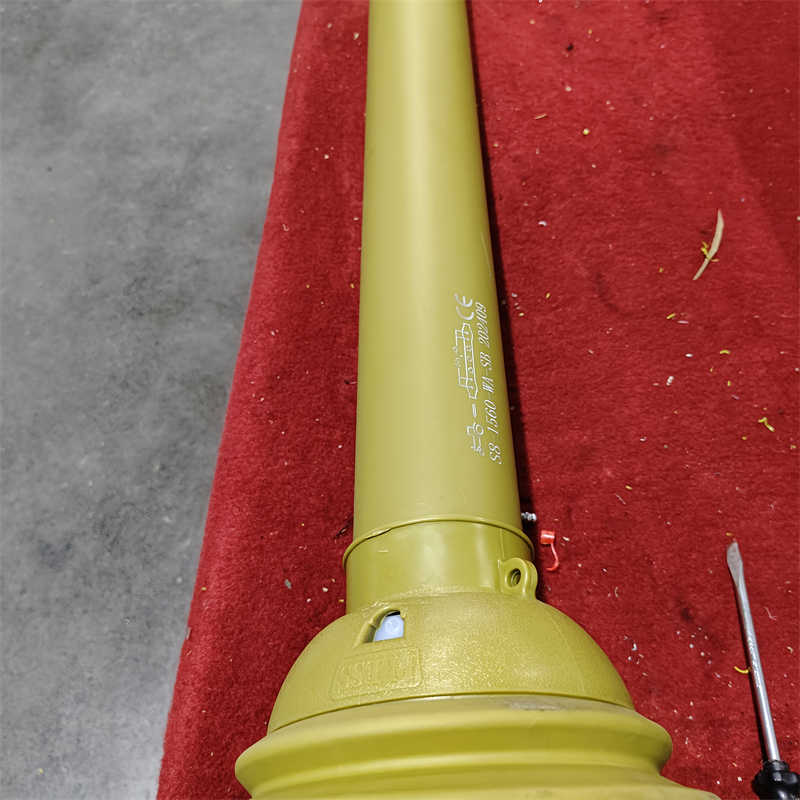
Solution: Confirm guard clearance, check for interference through the full lift and steering range, and include the WA wide angle joint in the routine maintenance schedule. Raydafon Technology Group Co.,Limited helps procurement and maintenance teams select driveline parts that fit the machine envelope and support long service life.
| Safety check | Inspection frequency | Corrective action |
|---|---|---|
| Guard clearance | Before first use and after repair | Adjust or replace guard if contact occurs. |
| Joint angle | At installation and seasonal service | Correct shaft length or joint type if exceeded. |
| Grease condition | Daily or per maintenance interval | Clean and re-grease blocked fittings. |
| Fastener security | First run and regular service | Retorque or replace damaged hardware. |
Troubleshooting Installation Problems
Pain scenario: After installation, the driveline runs rough, but the team is not sure whether the issue is the joint, the shaft, the machine alignment, or a fastener problem. Guessing leads to unnecessary replacement and more downtime.
Solution: Work through a simple diagnostic sequence: inspect the joint, check phasing, verify spline engagement, measure angle, confirm torque, and test grease flow. Raydafon Technology Group Co.,Limited supports buyers with application data and part verification so troubleshooting starts from facts rather than assumptions.
| Symptom | Likely installation issue | First check |
|---|---|---|
| Vibration at speed | Yoke phasing or angle problem | Confirm phasing and working angle. |
| Heat at joint | Dry bearing or excessive angle | Check grease flow and geometry. |
| Loosening bolts | Wrong torque or distorted flange | Inspect faces and retorque in pattern. |
| Noise during lift | Spline bottoming or guard contact | Check slip clearance and interference. |
Q&A: How Is a WA Wide Angle Joint Installed?
Pain scenario: Buyers and service teams often need a short, practical answer they can share with a workshop before the part arrives. The two questions below cover the most common installation concerns.
Solution: Use the answers as a field checklist, then confirm final values with the machine and joint documentation. Raydafon Technology Group Co.,Limited can review the application and recommend the correct WA wide angle joint and installation parameters.
How Is a WA Wide Angle Joint Installed on a Tractor PTO Shaft?
Park the machine on level ground, disconnect power, and block movement. Clean the PTO spline and mating flange, apply the specified grease, and slide the WA wide angle joint into place without forcing it. Align the yokes according to the shaft design, start all fasteners by hand, and tighten them in a crossing pattern to the required torque. Grease every fitting, rotate the shaft by hand through the full angle range, and check guard clearance before the first powered run.
How Is a WA Wide Angle Joint Installed When Space Is Tight and Angles Are High?
Check the actual working angle through the full lift and steering range before tightening. Confirm the WA wide angle joint is the correct high-angle model, verify spline engagement, and make sure the shaft cannot bottom out or contact the guard. Install fasteners evenly, recheck torque after the first short run, and monitor the joint for heat or vibration. If clearance remains marginal, contact Raydafon Technology Group Co.,Limited with the machine drawing and operating angles so the driveline can be matched correctly.
| Quick answer item | Installation target | Final check |
|---|---|---|
| PTO spline | Clean, greased, fully engaged | No wobble or bottoming. |
| Yoke phasing | Correct for shaft design | No vibration during hand rotation. |
| Fasteners | Correct grade and torque | Retorque after first run. |
| Guard clearance | No contact through full range | Inspect before operation. |
When your team needs a fast, reliable answer to How Is a WA Wide Angle Joint Installed?, send the shaft drawing, machine model, PTO spline data, and operating angle to Raydafon Technology Group Co.,Limited. As a driveline supplier focused on practical fit and dependable service, Raydafon Technology Group Co.,Limited helps procurement teams, workshops, and OEM engineers select WA wide angle joints, verify installation details, and reduce costly trial-and-error. Visit https://www.raydafon-driveshaft.com for product information or email [email protected] with your application details. Share the machine model and working angle, and the team can help you confirm the right driveline solution for your next order.
Bayrak, M., Akinci, I., & Cakmak, B. (2019). Fatigue failure analysis of a universal joint yoke in a tractor PTO driveline. Engineering Failure Analysis, 97, 1–12.
Shigley, J. E., Mischke, C. R., & Budynas, R. G. (2004). Mechanical Engineering Design. McGraw-Hill Mechanical Engineering Series, 7th ed.
Patel, R., & Kumar, S. (2020). Vibration control of cardan shaft assemblies using phasing and balance correction. Journal of Mechanical Science and Technology, 34(6), 2387–2396.
Kumar, A., Singh, R., & Verma, P. (2018). Failure investigation of agricultural PTO shaft joints under variable torque. Engineering Failure Analysis, 94, 210–221.
Myszka, D. H. (2012). Machines and Mechanisms: Applied Kinematic Analysis. Pearson Prentice Hall, 4th ed.
Juvinall, R. C., & Marshek, K. M. (2011). Fundamentals of Machine Component Design. John Wiley & Sons, 5th ed.
Rao, S. S. (2017). Mechanical Vibrations. Pearson, 6th ed.
Norton, R. L. (2013). Machine Design: An Integrated Approach. Pearson, 5th ed.
Hernandez, J., & Lopez, A. (2021). Maintenance strategy for high-angle drivelines in agricultural machinery. Journal of Agricultural Engineering, 52(3), 145–156.
Wang, Y., Chen, L., & Zhao, H. (2022). Torque transmission and wear analysis of spline couplings in PTO drivelines. Mechanism and Machine Theory, 168, 104612.